
Private Well Maintenance: The Homeowner's Imperative
- Private wells serve 15% of Americans and 11% of Canadians but lack regulatory oversight, placing maintenance responsibility solely on homeowners.
- Approximately one in five private wells contains contaminants exceeding health benchmarks, posing significant health risks without proper maintenance.
- Common well types include drilled wells (most modern, deepest), driven wells (shallow), dug/bored wells (traditional), and artesian wells, each with unique maintenance needs.
- Critical failure points include well casing/cap integrity, pump systems, pressure tanks, water lines, control systems, and water quality degradation.
- Preventative maintenance costs ($600-$1,350 annually) are substantially lower than emergency repairs ($1,200-$20,000 depending on component and region).
- Professional maintenance should include annual well inspections, pump servicing every 2-3 years, and regular water quality testing.
- Homeowners should perform monthly visual inspections, quarterly basic water testing, and seasonal maintenance appropriate to their climate.
- Visual indicators of problems include compromised well caps, casing deterioration, pressure tank issues, pump warning signs, and water quality changes.
- Regional climate considerations are crucial, with northern regions requiring freeze protection and coastal areas needing storm preparation.
- Comprehensive maintenance extends system lifespan beyond the typical 15-20 years while protecting family health and property value.
- Well Water Wisdom: The Maintenance Imperative
- The Takeaway
- Podcast
- Overview
- Introduction to Residential Well Systems
- Common Residential Well System Types
- Critical Failure Points Analysis
- Risk Assessment of Maintenance Neglect
- Comparative Cost Analysis
- Maintenance Task Framework
- Visual Identification Guide
- Maintenance Calendar and Checklist
- Conclusion
- Sources

Overview
Private well systems serve as the primary water source for approximately 43 million Americans (15% of the U.S. population) and 4.2 million Canadians (11% of the Canadian population) as of 2025. [1] Centers for Disease Control and Prevention (CDC) April 22, 2024 Private Drinking Water and Public Health Key stats on private well water usage, contamination risks, and public health implications government health agency [17] Wellowner.org November 1st, 2024 Preparing Your Well for Cold Temperatures Explore deeper how cold temperatures affect wells, the risk involved, and essential tips on how to keep your wells protected from the winter weather. educational resource Unlike public water systems, private wells are not regulated by the Environmental Protection Agency (EPA) in the United States or Health Canada, placing the full responsibility for water quality and system maintenance on homeowners. [1] Centers for Disease Control and Prevention (CDC) April 22, 2024 Private Drinking Water and Public Health Key stats on private well water usage, contamination risks, and public health implications government health agency [2] Guardian Well & Septic July 2022 Groundwater Well Types: Understanding Pros, Cons & Choices A comprehensive guide to different types of groundwater wells, their characteristics, advantages, and limitations industry blog [3] US Environmental Protection Agency October 22, 2024 Learn About Private Water Wells Comprehensive guide to private water wells, their types, components, and construction government agency This comprehensive report examines the critical importance of regular well system maintenance, identifying common failure points, assessing risks of neglect, comparing maintenance versus repair costs, and providing practical guidance for homeowners.
The stakes are significant: according to a U.S. Geological Survey study, approximately one in five private wells contains contaminants exceeding health benchmarks. [1] Centers for Disease Control and Prevention (CDC) April 22, 2024 Private Drinking Water and Public Health Key stats on private well water usage, contamination risks, and public health implications government health agency Without proper maintenance, well systems can deteriorate, leading to water quality issues, system failures, and potentially serious health risks. This report serves as an educational resource for homeowners with private wells, emphasizing preventative maintenance strategies to avoid costly repairs and protect family health.
Introduction to Residential Well Systems
Private well systems provide drinking water to millions of North American households, operating without the regulatory oversight that governs public water supplies. This section examines the prevalence of private wells, explains why maintenance is critical for these unregulated water sources, and provides a brief overview of how well systems function.
Private Well Usage Statistics
As of 2025, approximately 43 million Americans (15% of the U.S. population) rely on private wells as their primary drinking water source. [1] Centers for Disease Control and Prevention (CDC) April 22, 2024 Private Drinking Water and Public Health Key stats on private well water usage, contamination risks, and public health implications government health agency The EPA estimates that more than 23 million households in the United States use private wells. [1] Centers for Disease Control and Prevention (CDC) April 22, 2024 Private Drinking Water and Public Health Key stats on private well water usage, contamination risks, and public health implications government health agency In Canada, approximately 4.2 million people (11% of the population) depend on domestic wells for their drinking water. [17] Wellowner.org November 1st, 2024 Preparing Your Well for Cold Temperatures Explore deeper how cold temperatures affect wells, the risk involved, and essential tips on how to keep your wells protected from the winter weather. educational resource
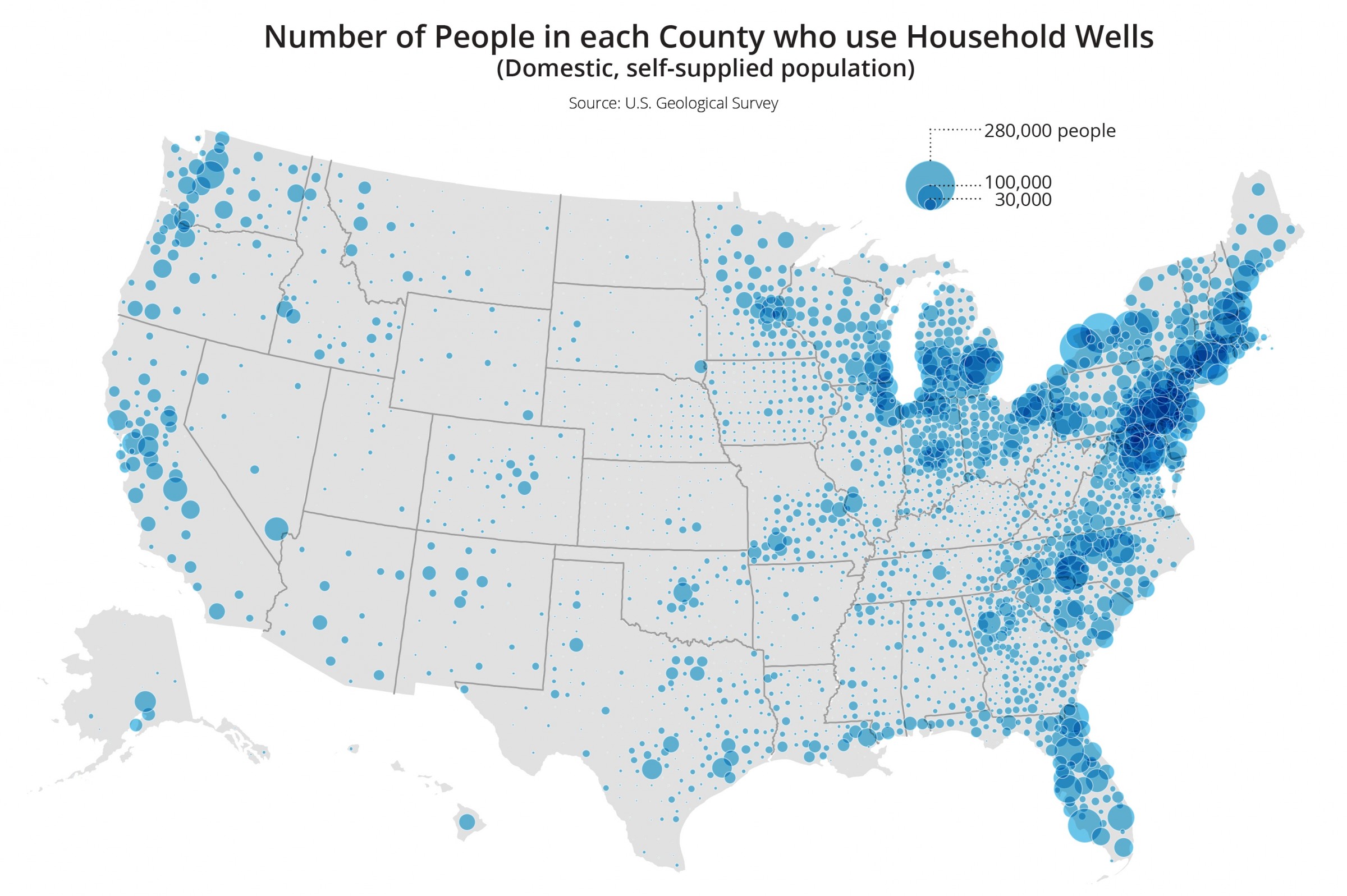
The distribution of well users is not uniform across North America. According to Circle of Blue, an environmental news and research organization, "The largest clusters of people who use wells are not where you might expect. There are frequent reports of dry wells in the American West, but despite its ranch-and-frontier image, the region is the most urban in the country. Most people there live in cities and are connected to a water utility's distribution system." [15] The Groundwater Project 2.1 Who Uses Domestic Wells? - Books - The Groundwater Project Table 1 shows information on domestic well use from a selection of countries. In Canada, 4.2 million people (11 percent of the population) use domestic wells ... academic publication
Instead, counties with the highest percentage of well users are concentrated in "the Great Lakes states, Michigan, the Piedmont region of North Carolina and Virginia, and northern Florida." [15] The Groundwater Project 2.1 Who Uses Domestic Wells? - Books - The Groundwater Project Table 1 shows information on domestic well use from a selection of countries. In Canada, 4.2 million people (11 percent of the population) use domestic wells ... academic publication Prince George's County, Maryland has the highest number of well users at 277,325 people, followed by Erie County, New York with 264,990 well users. [15] The Groundwater Project 2.1 Who Uses Domestic Wells? - Books - The Groundwater Project Table 1 shows information on domestic well use from a selection of countries. In Canada, 4.2 million people (11 percent of the population) use domestic wells ... academic publication
Regulatory Framework and Maintenance Responsibility
Unlike public water systems, private wells are not regulated by federal authorities. As the EPA states, "Private well owners are responsible for delivering safe drinking water to their households. The quality and safety of drinking water from private domestic wells are not regulated by the Federal Government under the Safe Drinking Water Act nor by most state governments and laws." [1] Centers for Disease Control and Prevention (CDC) April 22, 2024 Private Drinking Water and Public Health Key stats on private well water usage, contamination risks, and public health implications government health agency
This regulatory gap means that homeowners bear full responsibility for ensuring their water meets safety standards. The CDC confirms this situation: "The federal Safe Drinking Water Act (SDWA) focuses on public water systems. It does not cover private drinking water sources. Private drinking water is not always treated to remove contaminants." [3] US Environmental Protection Agency October 22, 2024 Learn About Private Water Wells Comprehensive guide to private water wells, their types, components, and construction government agency
Furthermore, according to the CDC, only 56% of local health departments actively regulate, inspect, or license private drinking water sources, leaving many well owners without governmental oversight or assistance. [3] US Environmental Protection Agency October 22, 2024 Learn About Private Water Wells Comprehensive guide to private water wells, their types, components, and construction government agency
How Well Systems Function
Well water systems extract groundwater that has seeped through layers of earth, soil, and rock. As Water Filter Guru explains, "Most well water comes from an underground aquifer. An aquifer is a water-bearing rock, often hundreds of feet beneath the ground's surface. Wells are drilled down into aquifers and extract the water with a pump." [12] Well Doctor LLC February 2024 Preventive Maintenance for Well Pumps: Extending Their Lifespan Preventive maintenance involves regularly checking and servicing your well pump to avoid potential problems before they escalate into major issues. business blog
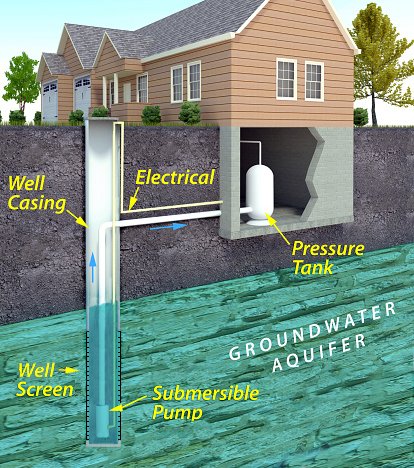
A typical well water system consists of several key components working together:
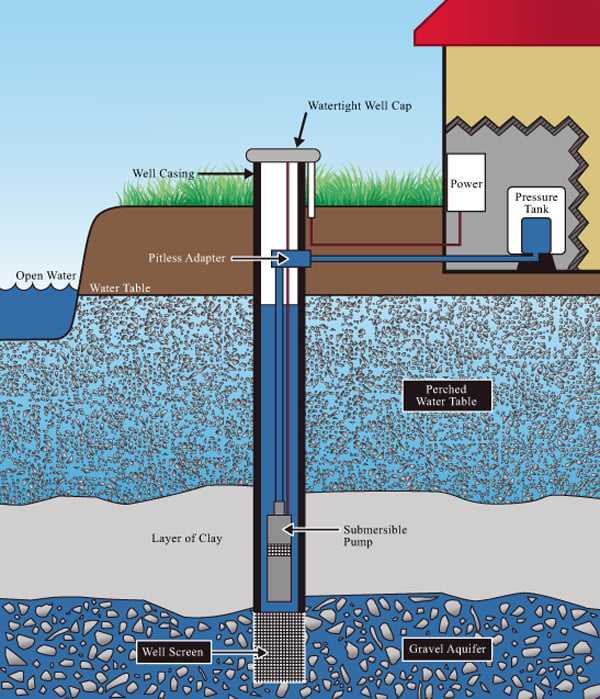
1. Well casing and cap: The casing is a tubular structure that lines the well hole, preventing contamination, while the cap seals the top of the well. [24] Fresh Water Systems March 15, 2024 4 Well Pressure Tank Problems and How to Fix Them Problems like water hammer, increased electricity bills, and well pump failure can all occur when your pressure tank fails. blog
2. Pump system: Depending on well depth, either a submersible pump (located deep inside the well) or a jet pump (located in the home) extracts water from the ground. [25] All Pumps April 3, 2025 Expert Guide: Mitigating Well Pressure Tank & Pump Failure Learn to diagnose, maintain, and replace well pressure tanks and pumps to prevent costly system failures. Read more expert tips inside. industry blog
3. Pressure tank: This component maintains water pressure and reduces pump cycling by storing pressurized water. [26] EDDY Pump May 12, 2023 8 Best Practices for maximizing the lifespan of Submersible Well Pumps The average lifespan of a submersible pump can range from 8 to 15 years or more, depending on factors such as quality, usage, and maintenance. industrial blog
4. Control systems: Including pressure switches that activate the pump when pressure drops below set thresholds. [27] Family Handyman February 1, 2024 How to Maintain Your Well Water System Pressure tanks between your well and your household water pipes have life expectancies between five and 30 years, depending on the model and how well it's maintained. DIY Home Maintenance Blog
5. Water treatment systems: Optional components that address specific water quality issues, such as filtration systems, water softeners, or disinfection systems. [24] Fresh Water Systems March 15, 2024 4 Well Pressure Tank Problems and How to Fix Them Problems like water hammer, increased electricity bills, and well pump failure can all occur when your pressure tank fails. blog
Well water systems typically deliver at least 6 gallons of water per minute, depending on pump capacity and pressure tank size. [12] Well Doctor LLC February 2024 Preventive Maintenance for Well Pumps: Extending Their Lifespan Preventive maintenance involves regularly checking and servicing your well pump to avoid potential problems before they escalate into major issues. business blog With proper maintenance, these systems can provide reliable service for decades, with most wells having a serviceable life of approximately 20+ years. [7] Water Systems Council wellcare® Info Sheets - Water Systems Council A complete library of wellcare information sheets to educate well owners about the basics of their well system, the importance of water well maintenance. educational resource
Common Residential Well System Types
Different well types are designed to access groundwater in varying geological conditions, each with unique construction methods, advantages, disadvantages, and maintenance requirements. Understanding these differences is crucial for proper system care and maintenance planning.
Drilled Wells
Drilled wells represent the most modern and common type of well construction in North America. These wells are created using rotary drilling machines or percussion equipment to penetrate deep into the earth. [4] GeoWater Services 2024-06 Understanding the Lifespan of Water Wells: 5 Key Factors Routine maintenance and professional inspections are the cornerstones of a well's longevity. Catching and addressing minor issues before they escalate can avert ... blog
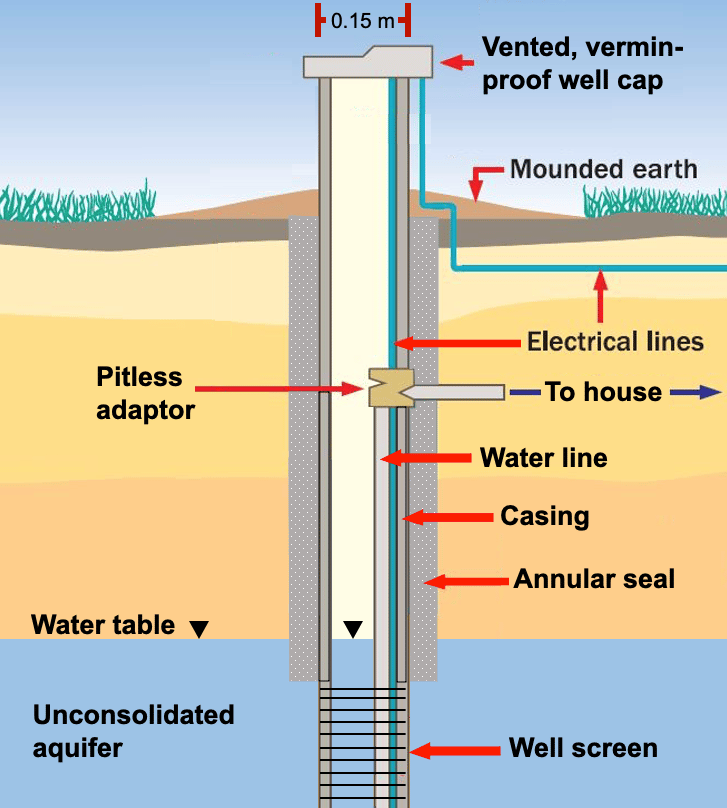
Typical Depths and Construction Methods: Drilled wells can reach significant depths, often hundreds of feet below the surface. According to Guardian Well & Septic, "Drilled wells can reach the deepest water sources, providing the most reliable water supply. They require professional equipment and expertise, making them the most expensive option." [4] GeoWater Services 2024-06 Understanding the Lifespan of Water Wells: 5 Key Factors Routine maintenance and professional inspections are the cornerstones of a well's longevity. Catching and addressing minor issues before they escalate can avert ... blog These wells typically have a smaller diameter (4-12 inches) compared to other well types and feature continuous casing throughout their depth.
Advantages: The primary advantage of drilled wells is their depth, which provides greater protection from surface contamination. As Guardian Well & Septic notes, "Their depth offers protection from surface contamination and seasonal fluctuations." [4] GeoWater Services 2024-06 Understanding the Lifespan of Water Wells: 5 Key Factors Routine maintenance and professional inspections are the cornerstones of a well's longevity. Catching and addressing minor issues before they escalate can avert ... blog These wells also tend to provide more reliable water supply during drought conditions and are less susceptible to seasonal water table variations.
Disadvantages: The main disadvantage is cost. Drilled wells "require professional equipment and expertise, making them the most expensive option." [4] GeoWater Services 2024-06 Understanding the Lifespan of Water Wells: 5 Key Factors Routine maintenance and professional inspections are the cornerstones of a well's longevity. Catching and addressing minor issues before they escalate can avert ... blog Additionally, deeper wells may require more powerful pumping systems, increasing both installation and operational costs.
Regional Prevalence: Drilled wells are common throughout North America but are especially prevalent in regions with lower water tables or where bedrock is close to the surface. They are the standard choice for most new well installations across the continent.
Maintenance Considerations: While generally more resilient than other well types, drilled wells still require regular maintenance. The deeper pump systems often used with these wells may be more complex to service. However, the well casing's continuous nature provides better protection against contamination, potentially reducing some maintenance concerns related to water quality.
Driven Wells
Driven wells are relatively shallow wells created by driving a small-diameter pipe into the ground, usually through soft soil or sand. [4] GeoWater Services 2024-06 Understanding the Lifespan of Water Wells: 5 Key Factors Routine maintenance and professional inspections are the cornerstones of a well's longevity. Catching and addressing minor issues before they escalate can avert ... blog
Typical Depths and Construction Methods: These wells typically reach depths of 30-50 feet and have a small diameter (1-2 inches). They are constructed by driving a pointed screen (wellpoint) attached to a pipe into water-bearing soil. Guardian Well & Septic explains, "Driven wells penetrate deeper than bored or dug wells, accessing cleaner water sources." [4] GeoWater Services 2024-06 Understanding the Lifespan of Water Wells: 5 Key Factors Routine maintenance and professional inspections are the cornerstones of a well's longevity. Catching and addressing minor issues before they escalate can avert ... blog
Advantages: Driven wells are "more durable and less prone to contamination" than shallower well types like dug or bored wells. [4] GeoWater Services 2024-06 Understanding the Lifespan of Water Wells: 5 Key Factors Routine maintenance and professional inspections are the cornerstones of a well's longevity. Catching and addressing minor issues before they escalate can avert ... blog They are also relatively affordable compared to drilled wells, making them accessible to more homeowners.
Disadvantages: Their limited depth makes them susceptible to drought conditions and seasonal fluctuations. They can only be installed in areas with the right soil conditions (typically sandy soil without large rocks or boulders).
Regional Prevalence: Driven wells are most common in coastal areas, river valleys, and regions with sandy soil and relatively high water tables. They are less common in areas with rocky terrain or deep water tables.
Maintenance Considerations: These wells require regular inspection of the wellpoint screen, which can become clogged with sand or mineral deposits. Their relatively shallow depth also means they may require more frequent water quality testing, as they are more vulnerable to surface contaminants than deeper drilled wells.
Dug/Bored Wells
Dug wells represent one of the oldest well construction methods, created by manually or mechanically excavating a large-diameter hole in the ground. [4] GeoWater Services 2024-06 Understanding the Lifespan of Water Wells: 5 Key Factors Routine maintenance and professional inspections are the cornerstones of a well's longevity. Catching and addressing minor issues before they escalate can avert ... blog [5] Wellowner.org Homeowner's Maintenance Checklist Comprehensive guide to maintaining residential water wells educational resource
Typical Depths and Construction Methods: According to the EPA, "Dug wells are holes in the ground dug by shovel or backhoe. They are lined (cased) with stones, brick, tile, or other material to prevent collapse. Dug wells have a large diameter, are shallow (approximately 10 to 30 feet deep) and are not cased continuously." [5] Wellowner.org Homeowner's Maintenance Checklist Comprehensive guide to maintaining residential water wells educational resource Their large diameter (typically 3-4 feet) allows for significant water storage within the well itself.
Advantages: Dug wells are relatively inexpensive to construct and can be viable in areas with high water tables. Guardian Well & Septic notes they "are best for areas with high water tables and are relatively inexpensive." [4] GeoWater Services 2024-06 Understanding the Lifespan of Water Wells: 5 Key Factors Routine maintenance and professional inspections are the cornerstones of a well's longevity. Catching and addressing minor issues before they escalate can avert ... blog
Disadvantages: Their shallow nature makes them highly vulnerable to contamination and seasonal variations. As Guardian Well & Septic explains, "their shallow nature makes them prone to contamination and seasonal variations in water availability." [4] GeoWater Services 2024-06 Understanding the Lifespan of Water Wells: 5 Key Factors Routine maintenance and professional inspections are the cornerstones of a well's longevity. Catching and addressing minor issues before they escalate can avert ... blog The lack of continuous casing also increases contamination risk.
Regional Prevalence: Dug wells are most common in rural areas with high water tables and in older properties where the well was constructed before modern drilling techniques became widespread. They are increasingly rare in new construction.
Maintenance Considerations: These wells require vigilant maintenance due to their high contamination risk. Regular water quality testing is essential, and the well cover or cap must be secure and watertight. The large-diameter casing should be inspected regularly for cracks or deterioration that could allow surface water infiltration.
Artesian Wells
Artesian wells tap into confined aquifers where natural pressure forces water to rise in the well without pumping.
Typical Depths and Construction Methods: Artesian wells are typically drilled to reach confined aquifers, which are water-bearing layers trapped between impermeable layers of rock or clay. The depth varies greatly depending on local geology. These wells are constructed similarly to drilled wells but tap into aquifers under natural pressure.
Advantages: The natural pressure in artesian wells can sometimes eliminate or reduce the need for pumping, potentially lowering energy costs. The water from artesian wells is often naturally filtered and may contain beneficial minerals. The confined nature of the aquifer provides excellent protection from surface contamination.
Disadvantages: True artesian wells with sufficient pressure to bring water to the surface naturally are relatively rare. Many "artesian wells" still require pumping assistance. Finding a suitable location requires detailed hydrogeological knowledge, and drilling costs can be high.
Regional Prevalence: Artesian wells are found in specific geological formations where confined aquifers exist. They are not common throughout North America but occur in certain regions with the right geological conditions.
Maintenance Considerations: While generally providing high-quality water with good natural protection, artesian wells still require regular water quality testing. The natural pressure in these wells can sometimes lead to unique maintenance challenges, such as controlling flow rates or managing mineral deposits from the naturally pressurized water.
Critical Failure Points Analysis
Well systems contain multiple components that can fail due to age, environmental factors, or lack of maintenance. Understanding these potential failure points allows homeowners to implement targeted preventative maintenance strategies, potentially saving thousands of dollars in emergency repairs and ensuring continuous access to clean water.
Well Casing and Cap Integrity Issues
The well casing and cap form the primary barrier against contamination, making their integrity crucial for water quality and system longevity.
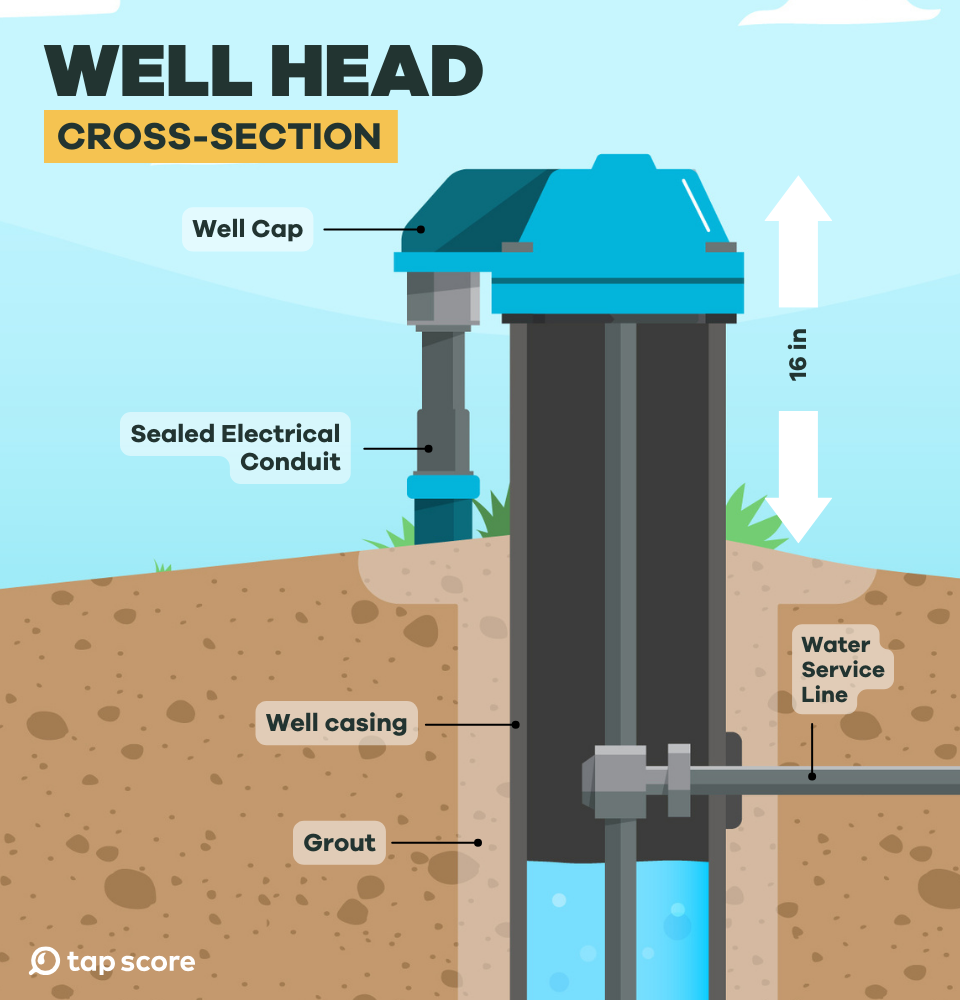
Age-Related Deterioration: Over time, well casings can develop cracks, holes, or deteriorated sections, particularly at joints. The EPA emphasizes the importance of the casing: "Well Casing is the tube-shaped structure placed in the well to maintain the well opening from the target ground water to the surface. Along with grout, the casing keeps dirt and excess water out of the well. This helps prevent contaminants from less desirable groundwater from entering the well and mixing with the drinking water." [5] Wellowner.org Homeowner's Maintenance Checklist Comprehensive guide to maintaining residential water wells educational resource
Environmental Factors: Freeze-thaw cycles, ground shifting, and flooding can compromise casing integrity. The EPA notes, "The well should be located so rainwater flows away from it. Rainwater can pick up harmful bacteria and chemicals on the land's surface. If this water pools near your well, it can seep into it and potentially cause health problems." [5] Wellowner.org Homeowner's Maintenance Checklist Comprehensive guide to maintaining residential water wells educational resource Winter presents unique challenges, as Ries Well Drilling explains: "Winter weather poses more than immediate threats to your well's overall health; heavy accumulations of snow and ice may damage its wellhead, leading to bacteria or debris contamination of the supply." [18] Greco & Haines How to Keep Your Well Water System From Freezing in the Winter This article will explain everything you need to know about keeping your well water system from freezing in the winter. professional services blog
Deferred Maintenance Issues: Failure to address minor casing or cap damage can lead to significant contamination. Wellowner.org recommends, "When landscaping, keep the top of your well at least one foot above the ground. Slope the ground away from your well for proper drainage." [7] Water Systems Council wellcare® Info Sheets - Water Systems Council A complete library of wellcare information sheets to educate well owners about the basics of their well system, the importance of water well maintenance. educational resource
Manufacturing Defects: Improperly installed or low-quality casings may fail prematurely. The EPA advises, "Make sure any water-well drillers and pump-well installers you work with are bonded and insured. If required in your state, make sure your ground water contractor is licensed and certified." [5] Wellowner.org Homeowner's Maintenance Checklist Comprehensive guide to maintaining residential water wells educational resource
Pump System Failures
Well pumps are the heart of the water delivery system, and their failure can immediately halt water supply to the home.
Age-Related Deterioration: Well Doctor LLC notes, "The frequency of maintenance for your well pump can vary based on several factors, including the pump's age, model, usage levels, and water source quality. However, as a general rule, scheduling an annual maintenance check is advisable." [14] Water Systems Council April 18, 2024 Water Systems Council Releases 2024 State of the U.S. Water Well Industry Report The 2024 State of the US Water Well Industry Report is the third annual report on the issues and opportunities facing the water well industry nationwide. Industry Nonprofit Organization Submersible pumps typically last 8-15 years with proper maintenance, while jet pumps may have shorter lifespans.
Environmental Factors: Submersible pumps are naturally protected from freezing since they're located deep underground, but jet pumps located in unheated spaces are vulnerable to freezing temperatures. [18] Greco & Haines How to Keep Your Well Water System From Freezing in the Winter This article will explain everything you need to know about keeping your well water system from freezing in the winter. professional services blog [20] HomeAdvisor April 21, 2025 How Much Do Well Inspections Cost in 2025? Most well inspection costs range from $300 to $600, with an average of $450. Home Services Cost Guide As Greco & Haines explains, "Jet pumps, which tend to be situated within homes or basements and function by pulling water up from the well and into home plumbing, could indeed be at risk of freezing." [20] HomeAdvisor April 21, 2025 How Much Do Well Inspections Cost in 2025? Most well inspection costs range from $300 to $600, with an average of $450. Home Services Cost Guide
Deferred Maintenance Issues: Well Doctor LLC identifies several warning signs of pump issues that shouldn't be ignored: "Several signs can indicate your well pump might be facing issues, many of which preventive maintenance can detect and mitigate early on. Some common signs include: Decreased Water Pressure, Strange Noises or Vibrations, High Electricity Bills, Intermittent Pump Cycling, and Cloudy or Dirty Water." [14] Water Systems Council April 18, 2024 Water Systems Council Releases 2024 State of the U.S. Water Well Industry Report The 2024 State of the US Water Well Industry Report is the third annual report on the issues and opportunities facing the water well industry nationwide. Industry Nonprofit Organization
Manufacturing Defects: EDDY Pump notes the importance of operating pumps within their Best Efficiency Point (BEP): "The BEP represents the ideal operating point where the pump achieves its highest efficiency while delivering the desired flow rate and pressure. Operating a submersible well pump below the BEP may cause cavitation, while operating above the BEP can lead to excessive strain on the motor and components."
Pressure Tank Problems
Pressure tanks regulate water pressure and reduce pump cycling, making them critical for system efficiency and pump longevity.
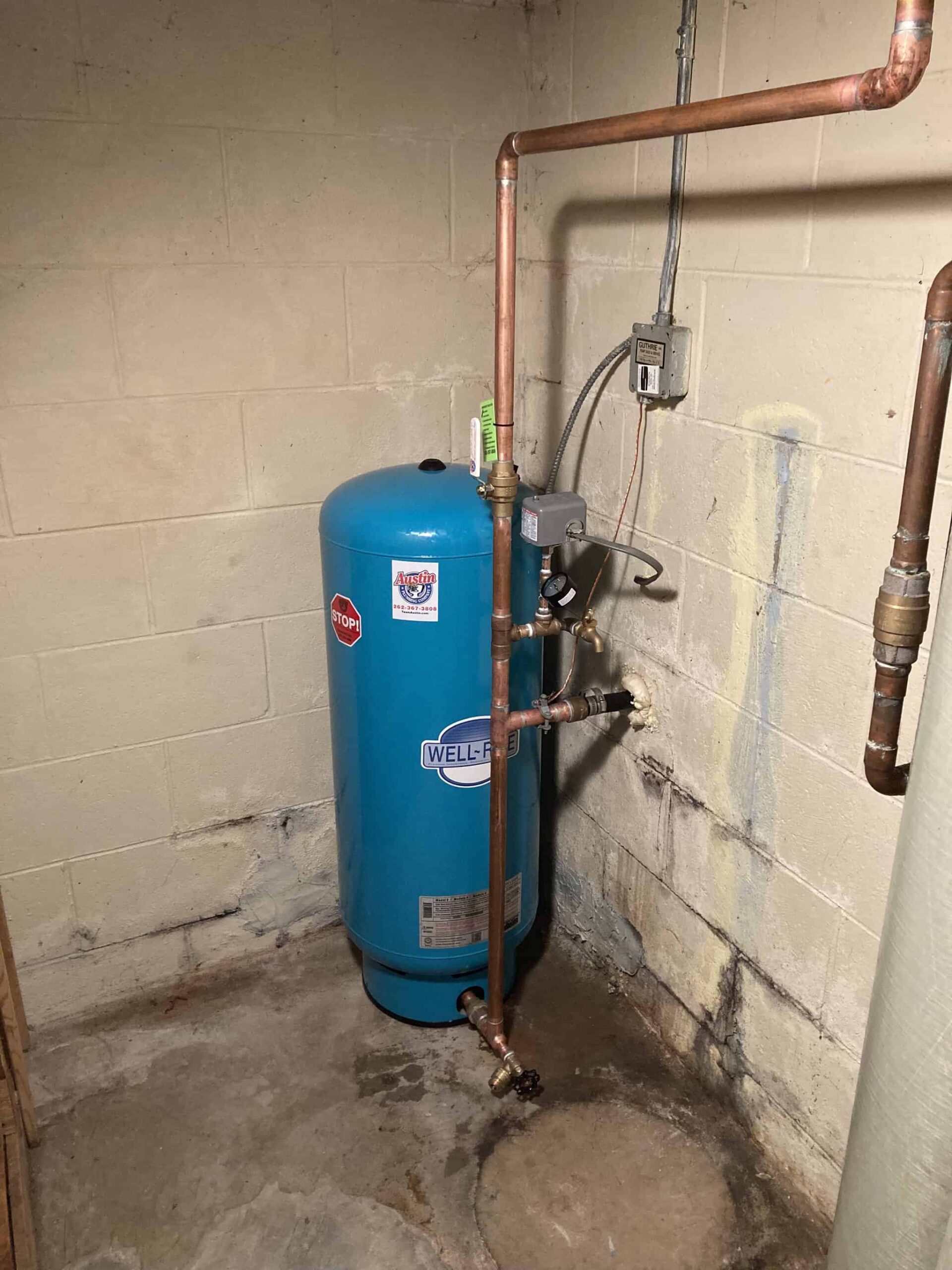
Age-Related Deterioration: Fresh Water Systems explains, "A well pressure tank is a container that provides pressurized water from a well pump to a home. The pump fills the tank with water, causing the air inside the tank to compress, increasing the pressure inside the tank." [26] EDDY Pump May 12, 2023 8 Best Practices for maximizing the lifespan of Submersible Well Pumps The average lifespan of a submersible pump can range from 8 to 15 years or more, depending on factors such as quality, usage, and maintenance. industrial blog Pressure tanks typically last 5-30 years depending on water quality and maintenance.
Environmental Factors: Extreme temperatures can affect pressure tank performance and longevity. In winter, tanks located in unheated spaces may be vulnerable to freezing. [19] Angi January 3, 2025 Average Well Pump Repair Costs: Everything You Need to Know [2025 Data] The average price to get your well pump back up and running is $972. However, well pump repair costs can go as low as $373 and as high as $1,621. home services blog
Deferred Maintenance Issues: All Pumps emphasizes the importance of proper pressure settings: "The most common pressure tank setting is 30/50 psi, with the tank pressure ideally set 2 psi below the cut-on pressure point." [27] Family Handyman February 1, 2024 How to Maintain Your Well Water System Pressure tanks between your well and your household water pipes have life expectancies between five and 30 years, depending on the model and how well it's maintained. DIY Home Maintenance Blog Improper pressure settings can lead to short cycling, which damages both the tank and pump.
Manufacturing Defects: Fresh Water Systems notes that bladder or diaphragm failures are common issues: "If your tank is waterlogged, that means that there is too much water and too little air in the tank. The rubber bladder inside the tank expands and contracts to keep water and air separate inside the tank. When this bladder ruptures, the water and air are no longer kept separate, and the pressure inside the tank drops." [26] EDDY Pump May 12, 2023 8 Best Practices for maximizing the lifespan of Submersible Well Pumps The average lifespan of a submersible pump can range from 8 to 15 years or more, depending on factors such as quality, usage, and maintenance. industrial blog Unfortunately, "A failed bladder cannot be repaired and requires tank replacement to protect the pump and restore the water supply." [27] Family Handyman February 1, 2024 How to Maintain Your Well Water System Pressure tanks between your well and your household water pipes have life expectancies between five and 30 years, depending on the model and how well it's maintained. DIY Home Maintenance Blog
Water Line Deterioration
The water lines connecting the well to the home can develop leaks, breaks, or blockages over time.
Age-Related Deterioration: Pipes naturally degrade over time, with different materials having varying lifespans. Metal pipes may corrode, while plastic pipes can become brittle with age and UV exposure.
Environmental Factors: Freezing temperatures pose a significant risk to water lines. Greco & Haines advises, "If you've lost power or concerned that freezing temperatures may threaten even well-insulated water pipes, you can significantly decrease the chance of a freeze-up and, potentially, burst plumbing by running your taps during cold fronts. Just a trickle or rapid drip from your faucet is typically enough to prevent ice formation and relieve pressure." [20] HomeAdvisor April 21, 2025 How Much Do Well Inspections Cost in 2025? Most well inspection costs range from $300 to $600, with an average of $450. Home Services Cost Guide
Deferred Maintenance Issues: Failing to insulate exposed pipes in cold climates can lead to freezing and bursting. Wellowner.org recommends insulating exposed pipes and components as one of five tips to avoid frozen well pipes. [19] Angi January 3, 2025 Average Well Pump Repair Costs: Everything You Need to Know [2025 Data] The average price to get your well pump back up and running is $972. However, well pump repair costs can go as low as $373 and as high as $1,621. home services blog
Manufacturing Defects: Poor-quality materials or improper installation can lead to premature pipe failures, particularly at joints and connections.
Control System Malfunctions
Control systems, including pressure switches and check valves, regulate pump operation and system pressure.
Age-Related Deterioration: Electrical components and mechanical switches wear out over time. This Old House explains, "To maintain steady water flow, well water systems utilize pressure systems, typically with two types of tanks: A large pressure tank containing an air charge at the top and water at the bottom, and a bladder tank using a neoprene bladder to separate air and water." [25] All Pumps April 3, 2025 Expert Guide: Mitigating Well Pressure Tank & Pump Failure Learn to diagnose, maintain, and replace well pressure tanks and pumps to prevent costly system failures. Read more expert tips inside. industry blog
Environmental Factors: Moisture, temperature fluctuations, and power surges can damage control system components. Ries Well Drilling warns, "Electrical surges that follow power outages often damage well pumps' motors and other electrical components, leading to costly repairs. To avoid this problem, invest in a surge protector designed for well pumps that will shield the pump's electrical system from sudden voltage spikes." [18] Greco & Haines How to Keep Your Well Water System From Freezing in the Winter This article will explain everything you need to know about keeping your well water system from freezing in the winter. professional services blog
Deferred Maintenance Issues: Fresh Water Systems explains how check valve failures can cause system-wide problems: "A broken check valve, also known as a foot valve, prevents water from flowing back down into the well after being pumped. When this water flows back into the well, it causes the tank to empty. When the tank empties, the water pressure inside decreases, and the pressure switch activates the pump." [26] EDDY Pump May 12, 2023 8 Best Practices for maximizing the lifespan of Submersible Well Pumps The average lifespan of a submersible pump can range from 8 to 15 years or more, depending on factors such as quality, usage, and maintenance. industrial blog
Manufacturing Defects: Faulty pressure switches may fail to trigger at appropriate pressure levels, leading to pump damage or water pressure issues.
Water Quality Degradation
Water quality can deteriorate due to various factors, even with an otherwise properly functioning well system.

Age-Related Deterioration: Over time, mineral buildup and biofilm can develop within the well and plumbing system. GeoWater Services notes, "Water characteristics directly impact well components. Water with high mineral content, for example, can lead to sediment buildup and corrosion of pumps and pipes, potentially shortening the system's lifespan." [6] Bruce Mackay Pump and Well Services July 25, 2024 The Ultimate Well Water System Maintenance Checklist We have compiled the ultimate well water system maintenance checklist. Do Not Skip Your Annual Well Water Inspection. blog
Environmental Factors: Seasonal changes, flooding, or drought can affect water quality. The CDC explains, "Some regions are prone to high levels of certain contaminants in rock or soil that dissolve into water sources. For example, the northeastern part of the United States has high levels of naturally occurring arsenic in rock formations." [3] US Environmental Protection Agency October 22, 2024 Learn About Private Water Wells Comprehensive guide to private water wells, their types, components, and construction government agency Additionally, "Germs, chemicals, or radionuclides can contaminate wells and other private drinking water sources. These contaminants can affect our health." [3] US Environmental Protection Agency October 22, 2024 Learn About Private Water Wells Comprehensive guide to private water wells, their types, components, and construction government agency
Deferred Maintenance Issues: Failure to conduct regular water testing can allow contamination to go undetected. The Water Systems Council emphasizes, "Taking good care of your water well is essential to ensuring your home has a consistent supply of high quality drinking water. In fact, your family's health depends on proper well maintenance and regularly testing your well and septic system to ensure there are no contaminants so you always have a safe supply of drinking water." [9] Fresh Water Systems Lab Water Tests vs At-Home Water Test Kits Laboratory water tests are more comprehensive and accurate than at-home water test kits, but they are also more expensive and time-consuming. blog
Manufacturing Defects: Improperly designed or installed well components can create conditions favorable for bacterial growth or contamination.
Risk Assessment of Maintenance Neglect
Neglecting well system maintenance can lead to serious health risks, significant financial costs, and major inconveniences. Understanding these risks helps homeowners prioritize maintenance and justify the associated costs as essential investments in family health and property value protection.
Health Risks
The primary concern with well maintenance neglect is the potential impact on family health through contaminated drinking water.
Bacterial Contamination: According to the CDC, private wells can be contaminated by microbiological agents from various sources. [3] US Environmental Protection Agency October 22, 2024 Learn About Private Water Wells Comprehensive guide to private water wells, their types, components, and construction government agency The EPA recommends annual bacterial testing as a minimum, noting that "A U.S. Geologic Survey study of 2,100 private wells found that water pumped from about one in five wells contained one or more contaminants at a concentration greater than a human-health benchmark for drinking water." [1] Centers for Disease Control and Prevention (CDC) April 22, 2024 Private Drinking Water and Public Health Key stats on private well water usage, contamination risks, and public health implications government health agency Common bacterial contaminants include E. coli and coliform bacteria, which can cause serious gastrointestinal illness.
Chemical Infiltration: The CDC explains that chemicals can contaminate private wells through various means, including natural rock formations, agricultural runoff, and emergency events like flooding. [3] US Environmental Protection Agency October 22, 2024 Learn About Private Water Wells Comprehensive guide to private water wells, their types, components, and construction government agency Health Canada prioritizes microbiological contaminants in its guidelines but also addresses chemical contaminants: "Guidelines (maximum acceptable concentrations or treatment goals) are based on a comprehensive review of the known health effects associated with each contaminant, on exposure levels and on the availability of treatment and analytical technologies." [2] Guardian Well & Septic July 2022 Groundwater Well Types: Understanding Pros, Cons & Choices A comprehensive guide to different types of groundwater wells, their characteristics, advantages, and limitations industry blog
Sediment Issues: While not always directly harmful to health, sediment in well water can harbor bacteria and other contaminants. My Plumber PLUS warns, "If you are seeing dark colors or particles in your drinking water, your well pump is in need of adjustment. This problem can indicate that your well pump is too close to the bottom of the well – resulting in settlement in your water." [23] This Old House How To Diagnose Well Water System Problems - This Old House This Old House plumbing and heating expert Richard Trethewey explains the intricacies of well water systems and how to diagnose potential issues. home improvement blog
Property/Financial Risks
Beyond health concerns, neglected well maintenance can lead to significant financial consequences.
System Failure Costs: According to Angi, "The average price to get your well pump back up and running is $972. However, well pump repair costs can go as low as $373 and as high as $1,621." [21] My Plumber PLUS 2025 Water Well Pump Repair Cost Near Fairfax, VA - My Plumber Plus $49 Water Well Pump Repair Diagnostic + Same Day Service. Original Price $99.00. Savings - $50.00. Sale Price $49.00. service website Complete system failures can be much more costly. Mechanical Systems Company explains, "When HVAC and plumbing systems fail, the fallout is immediate. Uncomfortable indoor temperatures can make your building unusable for occupants or customers. And for many facilities, it's not just about comfort, but critical production time or product integrity that's on the line." [13] Circle of Blue October 1, 2018 Infographic: Household Wells in the United States Detailed breakdown of household well usage across the United States Environmental News and Research
Property Value Impact: A well-maintained well system adds value to a property, while a neglected or failing system can significantly reduce property value and complicate real estate transactions. Professional water testing results are often necessary for real estate transactions and loan applications. [10] Water Filter Guru Private Well Water Systems Comprehensive guide to understanding, maintaining, and managing residential well water systems educational blog
Emergency Water Supply Costs: When well systems fail, homeowners must secure alternative water sources, which can be expensive and inconvenient. This may include bottled water for drinking and cooking, or even temporary water delivery services.
Convenience Factors
Well system failures also create significant lifestyle disruptions for homeowners.
Service Interruptions: When well pumps fail, households immediately lose water access. This Old House notes, "Well water systems are a practical solution for homeowners who can't or don't want to get their water from a municipal source. But, when issues arise, they can be both frustrating and costly." [25] All Pumps April 3, 2025 Expert Guide: Mitigating Well Pressure Tank & Pump Failure Learn to diagnose, maintain, and replace well pressure tanks and pumps to prevent costly system failures. Read more expert tips inside. industry blog Power outages during winter storms can completely halt water supply for well system owners, making backup generators or emergency water storage critical. [18] Greco & Haines How to Keep Your Well Water System From Freezing in the Winter This article will explain everything you need to know about keeping your well water system from freezing in the winter. professional services blog
Water Pressure/Quality Issues: Even before complete failure, neglected systems often show warning signs through decreased water pressure or quality issues. Well Doctor LLC identifies several warning signs: "Several signs can indicate your well pump might be facing issues, many of which preventive maintenance can detect and mitigate early on. Some common signs include: Decreased Water Pressure, Strange Noises or Vibrations, High Electricity Bills, Intermittent Pump Cycling, and Cloudy or Dirty Water." [14] Water Systems Council April 18, 2024 Water Systems Council Releases 2024 State of the U.S. Water Well Industry Report The 2024 State of the US Water Well Industry Report is the third annual report on the issues and opportunities facing the water well industry nationwide. Industry Nonprofit Organization My Plumber PLUS adds, "If the flow, pressure, taste, or smell of your water well system changes, it can indicate an internal problem in your system or with your water source." [8] NH Tap December 14, 2024 How to Test Your Well Water at Home: DIY vs Professional Testing High accuracy: Professional labs use sophisticated equipment to provide more accurate results than DIY kits. Certified results: If you're selling a home or need regulatory compliance, professional testing provides certified results that meet all legal requirements. blog
Comparative Cost Analysis
Preventative maintenance represents a significant cost savings compared to emergency repairs or system replacements. This section provides detailed cost comparisons for two representative regions, demonstrating the financial benefits of regular maintenance while acknowledging the regional variations in service costs.
Rural Michigan Cost Analysis
Michigan's high concentration of private well users and varied seasonal conditions make it a representative case study for Midwest agricultural regions.
Preventative Maintenance Costs (2025):
- Annual professional well inspection: $300-$450 [22] Blair & Norris Well Water System Diagram: 22 Key Components Explained In this article, we'll explore the 22 key components of a well water system, how they work, and why they are crucial for efficient water delivery. service website
- Basic water quality testing (bacteria, nitrates): $100-$200 [22] Blair & Norris Well Water System Diagram: 22 Key Components Explained In this article, we'll explore the 22 key components of a well water system, how they work, and why they are crucial for efficient water delivery. service website
- Comprehensive water testing (includes heavy metals, VOCs): $200-$350 [22] Blair & Norris Well Water System Diagram: 22 Key Components Explained In this article, we'll explore the 22 key components of a well water system, how they work, and why they are crucial for efficient water delivery. service website
- Pressure tank inspection and adjustment: $100-$150
- Well shock chlorination (if needed): $200-$300
- Total annual preventative maintenance: $600-$950
Emergency Repair/Replacement Costs (2025):
- Well pump replacement: $1,200-$2,500 (depending on depth and type)
- Pressure tank replacement: $500-$900
- Control system replacement: $300-$600
- Complete well system replacement: $5,000-$15,000 (depending on depth and geological conditions)
- Emergency service calls (after hours/weekends): $150-$250 per hour [21] My Plumber PLUS 2025 Water Well Pump Repair Cost Near Fairfax, VA - My Plumber Plus $49 Water Well Pump Repair Diagnostic + Same Day Service. Original Price $99.00. Savings - $50.00. Sale Price $49.00. service website
Assuming a well system with a 20-year lifespan, annual maintenance costs of $800, and avoiding a major repair ($2,000) every five years, the 20-year maintenance investment would be $16,000 compared to avoided repairs of $8,000, plus additional value from consistent water quality, reduced health risks, and extended system lifespan.
Northern Virginia Cost Analysis
Northern Virginia represents suburban/urban areas with higher service costs but similar maintenance requirements.
Preventative Maintenance Costs (2025):
- Annual professional well inspection: $450-$600 [22] Blair & Norris Well Water System Diagram: 22 Key Components Explained In this article, we'll explore the 22 key components of a well water system, how they work, and why they are crucial for efficient water delivery. service website
- Basic water quality testing (bacteria, nitrates): $150-$250
- Comprehensive water testing (includes heavy metals, VOCs): $300-$500
- Pressure tank inspection and adjustment: $150-$200
- Well shock chlorination (if needed): $300-$450
- Total annual preventative maintenance: $900-$1,350
Emergency Repair/Replacement Costs (2025):
- Well pump replacement: $1,500-$3,000 (depending on depth and type)
- Pressure tank replacement: $700-$1,100
- Control system replacement: $400-$800
- Complete well system replacement: $8,000-$20,000 (depending on depth and geological conditions)
- Emergency service calls (after hours/weekends): $200-$300 per hour [23] This Old House How To Diagnose Well Water System Problems - This Old House This Old House plumbing and heating expert Richard Trethewey explains the intricacies of well water systems and how to diagnose potential issues. home improvement blog
Assuming a well system with a 20-year lifespan, annual maintenance costs of $1,100, and avoiding a major repair ($2,500) every five years, the 20-year maintenance investment would be $22,000 compared to avoided repairs of $10,000, plus additional value from consistent water quality, reduced health risks, and extended system lifespan.
Cost-Benefit Analysis
Preventative maintenance offers clear financial advantages over reactive approaches. As Mechanical Systems Company explains, "Preventative maintenance is a mindset. It's about being proactive instead of reactive. And when done right, it puts you in control of your facility's performance and your long-term costs." [13] Circle of Blue October 1, 2018 Infographic: Household Wells in the United States Detailed breakdown of household well usage across the United States Environmental News and Research
The company further notes, "A well-maintained HVAC and plumbing system lasts longer, performs better and costs less to operate. Over the life of your equipment, the savings in energy, emergency repairs and early replacements can add up to tens of thousands of dollars or more, depending on your facility size and usage." [13] Circle of Blue October 1, 2018 Infographic: Household Wells in the United States Detailed breakdown of household well usage across the United States Environmental News and Research
Beyond direct cost savings, preventative maintenance provides:
1. Extended System Lifespan: Regular maintenance can extend equipment life beyond the typical 15-20 years. [7] Water Systems Council wellcare® Info Sheets - Water Systems Council A complete library of wellcare information sheets to educate well owners about the basics of their well system, the importance of water well maintenance. educational resource [8] NH Tap December 14, 2024 How to Test Your Well Water at Home: DIY vs Professional Testing High accuracy: Professional labs use sophisticated equipment to provide more accurate results than DIY kits. Certified results: If you're selling a home or need regulatory compliance, professional testing provides certified results that meet all legal requirements. blog
2. Improved Energy Efficiency: Mechanical Systems Company explains, "Deferred maintenance also takes a toll over time. Systems forced to work harder because of clogged filters, leaking valves or poor calibration draw more energy. That means higher utility bills month after month, increasing wear and tear, small issues snowballing into bigger problems and a shorter overall equipment lifespan." [13] Circle of Blue October 1, 2018 Infographic: Household Wells in the United States Detailed breakdown of household well usage across the United States Environmental News and Research
3. Reduced Health Risks: Regular water testing can identify contamination issues before they affect family health, potentially avoiding medical costs and health complications.
4. Predictable Budgeting: Planned maintenance allows for budgeting rather than unexpected emergency expenses.
Maintenance Task Framework
Well system maintenance involves both professional services and homeowner tasks. This framework outlines the essential maintenance procedures, their recommended frequency, and the expertise required for each task, helping homeowners develop a comprehensive maintenance strategy.
Professional Maintenance Tasks
Professional well maintenance should be performed by licensed contractors with proper equipment and expertise.
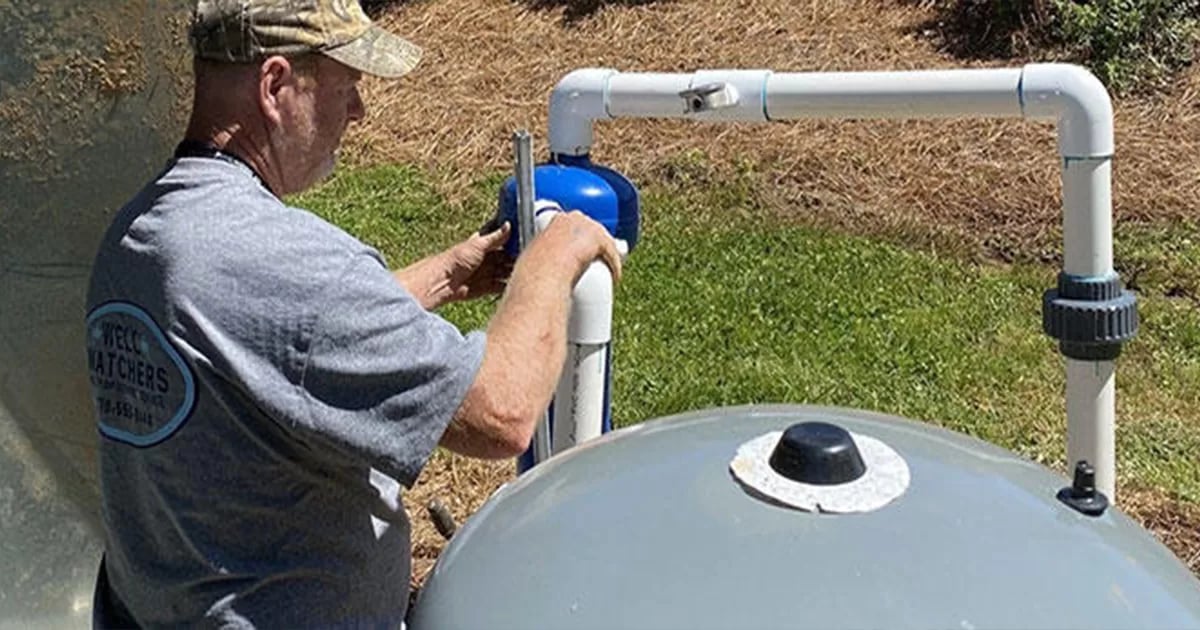
Well Inspection Procedures:
- Frequency: Annually [7] Water Systems Council wellcare® Info Sheets - Water Systems Council A complete library of wellcare information sheets to educate well owners about the basics of their well system, the importance of water well maintenance. educational resource [8] NH Tap December 14, 2024 How to Test Your Well Water at Home: DIY vs Professional Testing High accuracy: Professional labs use sophisticated equipment to provide more accurate results than DIY kits. Certified results: If you're selling a home or need regulatory compliance, professional testing provides certified results that meet all legal requirements. blog
- Time estimate: 1-2 hours
- Tasks include:
- Visual inspection of well cap, casing, and surrounding area
- Flow rate testing
- Static and dynamic water level measurement
- Pressure tank and switch testing
- Electrical system inspection
- Water quality sampling
Bruce Mackay Pump and Well Services emphasizes the importance of professional inspections: "The best way to prevent any mishap is to make sure that no issues are present and that only regular consultations, repairs, testing, and maintenance can do it." [8] NH Tap December 14, 2024 How to Test Your Well Water at Home: DIY vs Professional Testing High accuracy: Professional labs use sophisticated equipment to provide more accurate results than DIY kits. Certified results: If you're selling a home or need regulatory compliance, professional testing provides certified results that meet all legal requirements. blog They further note, "Only certified professionals will be able to identify and provide the best solution to your well water system issues." [8] NH Tap December 14, 2024 How to Test Your Well Water at Home: DIY vs Professional Testing High accuracy: Professional labs use sophisticated equipment to provide more accurate results than DIY kits. Certified results: If you're selling a home or need regulatory compliance, professional testing provides certified results that meet all legal requirements. blog
Pump System Servicing:
- Frequency: Every 2-3 years [23] This Old House How To Diagnose Well Water System Problems - This Old House This Old House plumbing and heating expert Richard Trethewey explains the intricacies of well water systems and how to diagnose potential issues. home improvement blog
- Time estimate: 2-4 hours
- Tasks include:
- Pump performance testing
- Motor current draw measurement
- Checking for unusual noise or vibration
- Inspecting and cleaning pump components
- Verifying proper pump cycling
Well Doctor LLC explains, "Professional services specializing in well pump maintenance are widely available and highly recommended. These services offer the expertise and equipment to thoroughly inspect, clean, and repair well pumps and associated components." [14] Water Systems Council April 18, 2024 Water Systems Council Releases 2024 State of the U.S. Water Well Industry Report The 2024 State of the US Water Well Industry Report is the third annual report on the issues and opportunities facing the water well industry nationwide. Industry Nonprofit Organization
Homeowner Maintenance Tasks
While professional services are essential, homeowners can perform several important maintenance tasks themselves.
Visual Inspection Guidelines:
- Frequency: Monthly
- Time estimate: 15-30 minutes
- Tools required: Flashlight, camera for documentation
- Tasks include:
- Checking well cap for security and damage
- Inspecting visible portion of casing for cracks or damage
- Ensuring proper drainage away from well
- Looking for signs of flooding or contamination sources near well
- Checking for unusual water characteristics (color, odor, taste)
Wellowner.org advises, "Keep hazardous chemicals, such as paint, fertilizer, pesticides, and motor oil far away from your well." [7] Water Systems Council wellcare® Info Sheets - Water Systems Council A complete library of wellcare information sheets to educate well owners about the basics of their well system, the importance of water well maintenance. educational resource They also recommend, "When landscaping, keep the top of your well at least one foot above the ground. Slope the ground away from your well for proper drainage." [7] Water Systems Council wellcare® Info Sheets - Water Systems Council A complete library of wellcare information sheets to educate well owners about the basics of their well system, the importance of water well maintenance. educational resource
Basic Water Testing Procedures:
- Frequency: Quarterly or if water quality changes
- Time estimate: 10-15 minutes per test
- Tools required: Home test kits ($20-$50) [10] Water Filter Guru Private Well Water Systems Comprehensive guide to understanding, maintaining, and managing residential well water systems educational blog
- Tests include:
- Bacteria (coliform)
- pH levels
- Hardness
- Chlorine
- Nitrates/nitrites
NH Tap explains, "A DIY well water test is a simple, affordable option for basic water quality checks. With a water test kit, you can assess the most common contaminants in your well water such as bacteria, pH levels, chlorine, and hardness." [10] Water Filter Guru Private Well Water Systems Comprehensive guide to understanding, maintaining, and managing residential well water systems educational blog However, they caution that professional testing is more comprehensive: "Deciding between a DIY well water test and professional water testing depends on several factors, including your budget, the contaminants you're concerned about, and whether you need certified results." [10] Water Filter Guru Private Well Water Systems Comprehensive guide to understanding, maintaining, and managing residential well water systems educational blog
Water Quality Testing Protocols
Regular water quality testing is essential for ensuring safe drinking water from private wells.
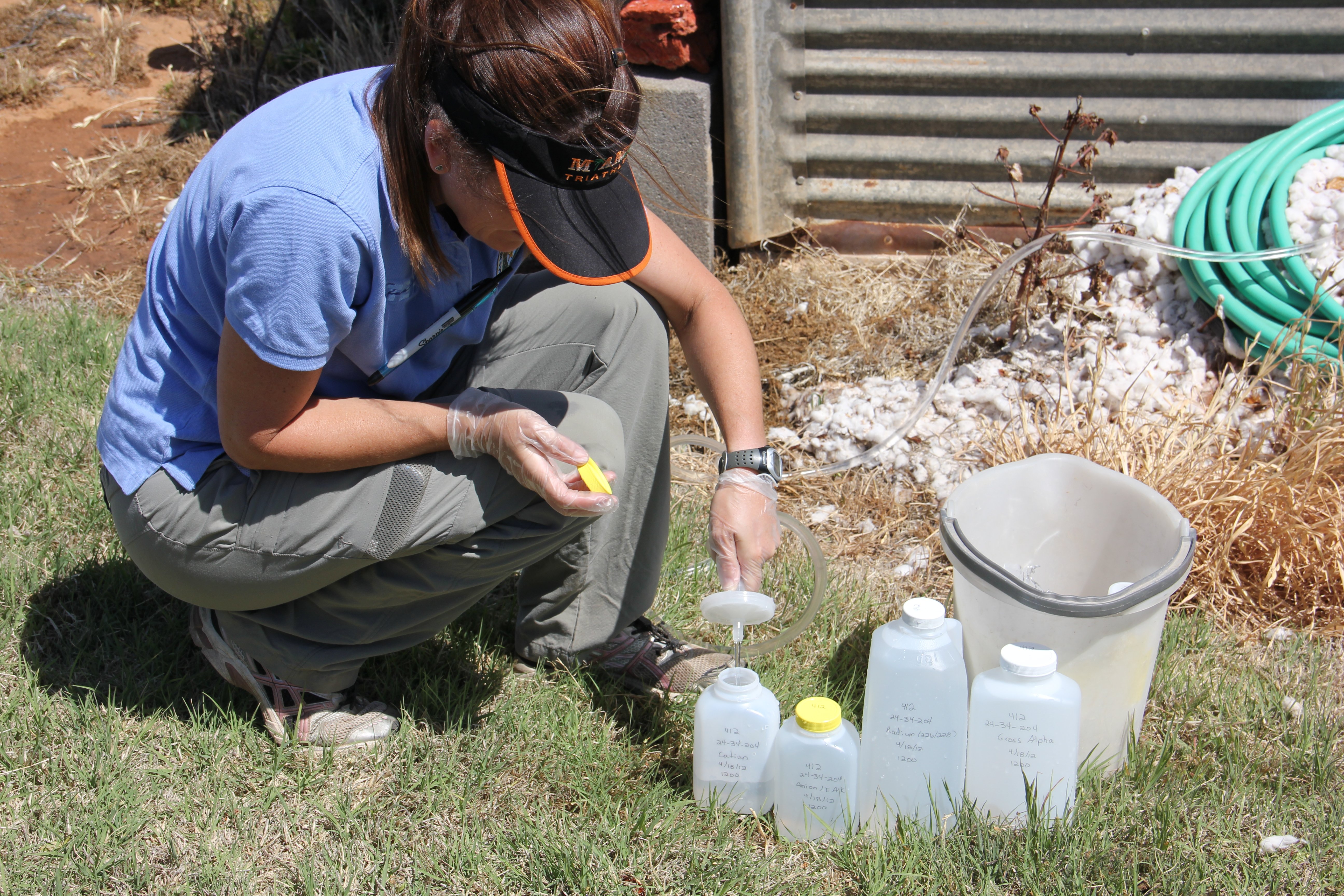
Testing Frequency:
- Bacteria and nitrates: Annually
- Heavy metals: Every 2 years
- VOCs and pesticides: Every 5 years [22] Blair & Norris Well Water System Diagram: 22 Key Components Explained In this article, we'll explore the 22 key components of a well water system, how they work, and why they are crucial for efficient water delivery. service website
Testing Methods:
- Home test kits: Provide basic screening for common contaminants
- Professional laboratory testing: Offers comprehensive analysis with certified results
- Local health department testing: May offer subsidized testing in some areas
NH Tap explains, "Professional water testing provides a more comprehensive analysis of your well water. Certified testing labs can detect all contaminants, from bacteria and heavy metals to more complex pollutants like volatile organic compounds (VOCs) and pesticides." [10] Water Filter Guru Private Well Water Systems Comprehensive guide to understanding, maintaining, and managing residential well water systems educational blog
When to Test More Frequently:
- After flooding or significant rainfall events
- Following well system repairs or modifications
- When water appearance, taste, or odor changes
- If family members experience recurring gastrointestinal illness
- When pregnant women or infants use the water
The EPA recommends, "At a minimum, check your well every spring to make sure there are no mechanical problems; test the water for coliform bacteria, nitrates, and anything else of local concern." [5] Wellowner.org Homeowner's Maintenance Checklist Comprehensive guide to maintaining residential water wells educational resource
Seasonal Maintenance Requirements
Different seasons present unique challenges for well systems, requiring specific maintenance approaches.
Spring Maintenance (March-May):
- Inspect for damage from winter freezing
- Check for proper drainage of snowmelt away from well
- Clean up winter debris around well area
- Test water after spring thaw (especially in flood-prone areas)
Summer Maintenance (June-August):
- Monitor water level during dry periods
- Check irrigation systems for backflow prevention
- Test water if drought conditions affect water table
- Inspect cooling systems in pump houses
Fall Maintenance (September-November):
- Prepare for winter by insulating exposed pipes
- Check heating systems in well houses or pump areas
- Clear leaves and debris from well area
- Schedule annual professional inspection before winter
Winter presents unique challenges for well systems, particularly in northern climates. Wellowner.org notes, "Wells are designed to function year-round, but winter brings specific threats to water availability and system efficiency." [19] Angi January 3, 2025 Average Well Pump Repair Costs: Everything You Need to Know [2025 Data] The average price to get your well pump back up and running is $972. However, well pump repair costs can go as low as $373 and as high as $1,621. home services blog They recommend five tips to avoid frozen well pipes: "1. Insulate exposed pipes and components. 2. Keep the well house or enclosure heated. 3. Maintain a slow flow of water. 4. Regularly check for leaks and repair them promptly. 5. Schedule regular maintenance with a professional." [19] Angi January 3, 2025 Average Well Pump Repair Costs: Everything You Need to Know [2025 Data] The average price to get your well pump back up and running is $972. However, well pump repair costs can go as low as $373 and as high as $1,621. home services blog
Visual Identification Guide
Visual inspection is a critical component of well maintenance. This guide helps homeowners identify common issues through visual cues, allowing for early intervention before problems become severe.
Well Cap Integrity
Properly Maintained Well Cap:
- Securely attached with no gaps
- Intact vent screen
- No visible cracks or damage
- Positioned at least 12 inches above ground level
- Clear of debris and vegetation
Compromised Well Cap:
- Loose, cracked, or missing
- Damaged or missing vent screen
- Signs of insect or animal intrusion
- Sitting at ground level or below
- Surrounded by pooling water
The EPA emphasizes the importance of proper well location: "The well should be located so rainwater flows away from it. Rainwater can pick up harmful bacteria and chemicals on the land's surface. If this water pools near your well, it can seep into it and potentially cause health problems." [5] Wellowner.org Homeowner's Maintenance Checklist Comprehensive guide to maintaining residential water wells educational resource
Casing Deterioration Signs
Healthy Well Casing:
- Straight, vertical alignment
- No visible cracks or holes
- Proper seal where casing meets ground
- No water seepage around exterior
- No visible corrosion or deterioration
Deteriorated Casing:
- Visible cracks, holes, or rust
- Misalignment or tilting
- Water seeping around exterior
- Soil subsidence around casing
- Vegetation growing unusually close to casing
The EPA explains the critical role of well casing: "Well Casing is the tube-shaped structure placed in the well to maintain the well opening from the target ground water to the surface. Along with grout, the casing keeps dirt and excess water out of the well. This helps prevent contaminants from less desirable groundwater from entering the well and mixing with the drinking water." [5] Wellowner.org Homeowner's Maintenance Checklist Comprehensive guide to maintaining residential water wells educational resource
Pressure Tank Issues
Properly Functioning Pressure Tank:
- No visible leaks or corrosion
- Proper pressure reading on gauge
- Normal pump cycling (not too frequent)
- No unusual noises during operation
- Dry exterior with no condensation or leaks
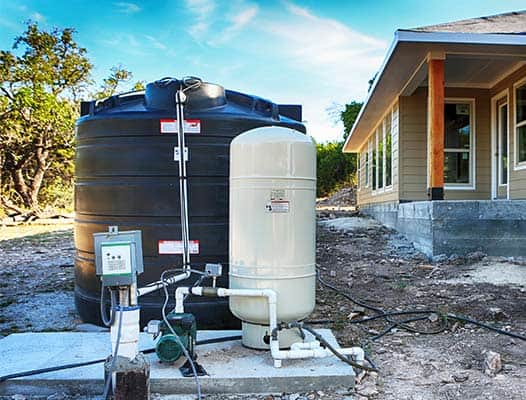
Problematic Pressure Tank:
- Visible leaks or corrosion
- Abnormal pressure readings
- Frequent pump cycling (short cycling)
- Water leaking from air valve
- Unusual noises (water hammer)
Fresh Water Systems explains a common pressure tank issue: "If your tank is waterlogged, that means that there is too much water and too little air in the tank. The rubber bladder inside the tank expands and contracts to keep water and air separate inside the tank. When this bladder ruptures, the water and air are no longer kept separate, and the pressure inside the tank drops." [26] EDDY Pump May 12, 2023 8 Best Practices for maximizing the lifespan of Submersible Well Pumps The average lifespan of a submersible pump can range from 8 to 15 years or more, depending on factors such as quality, usage, and maintenance. industrial blog
Water Quality Visual Indicators
Normal Water Appearance:
- Clear and colorless
- No visible particles or sediment
- No unusual odor
- No unusual taste
- No staining of fixtures or laundry
Problematic Water Appearance:
- Cloudy, discolored (yellow, brown, red)
- Visible particles or sediment
- Unusual odor (sulfur, chemical, musty)
- Metallic or unpleasant taste
- Staining of fixtures or laundry
My Plumber PLUS warns, "If you are seeing dark colors or particles in your drinking water, your well pump is in need of adjustment. This problem can indicate that your well pump is too close to the bottom of the well – resulting in settlement in your water." [23] This Old House How To Diagnose Well Water System Problems - This Old House This Old House plumbing and heating expert Richard Trethewey explains the intricacies of well water systems and how to diagnose potential issues. home improvement blog They also note, "If the flow, pressure, taste, or smell of your water well system changes, it can indicate an internal problem in your system or with your water source." [8] NH Tap December 14, 2024 How to Test Your Well Water at Home: DIY vs Professional Testing High accuracy: Professional labs use sophisticated equipment to provide more accurate results than DIY kits. Certified results: If you're selling a home or need regulatory compliance, professional testing provides certified results that meet all legal requirements. blog
Seasonal Protection Measures
Proper Winter Protection:
- Insulated exposed pipes and components
- Heated well house or pump area (if above ground)
- Proper grading to direct spring thaw away from well
- Snow cleared from well cap and access points
- Backup power source available for outages
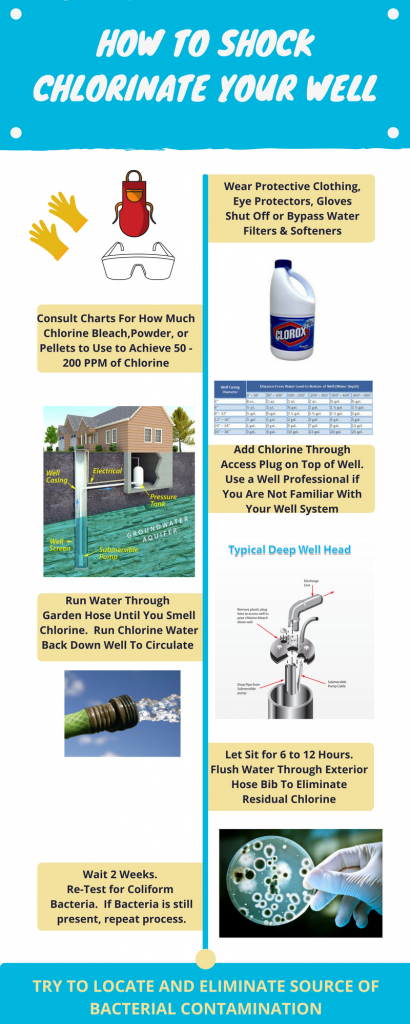
Inadequate Winter Protection:
- Exposed, uninsulated pipes
- Unheated spaces containing well components
- Poor drainage allowing meltwater to pool around well
- Snow buildup against well cap or structure
- No contingency plan for power outages
Greco & Haines explains, "Your well itself is not in danger of freezing, as it's situated below the frost line. Here in Connecticut, the frost line's roughly 42 inches deep, so it's the soil above that depth that's susceptible to freezing." [20] HomeAdvisor April 21, 2025 How Much Do Well Inspections Cost in 2025? Most well inspection costs range from $300 to $600, with an average of $450. Home Services Cost Guide However, they warn, "By contrast, jet pumps, which tend to be situated within homes or basements and function by pulling water up from the well and into home plumbing, could indeed be at risk of freezing." [20] HomeAdvisor April 21, 2025 How Much Do Well Inspections Cost in 2025? Most well inspection costs range from $300 to $600, with an average of $450. Home Services Cost Guide
Maintenance Calendar and Checklist
A structured maintenance schedule helps homeowners ensure no critical tasks are overlooked. This calendar organizes maintenance activities by frequency and season, with special attention to regional climate considerations.
Monthly Maintenance Tasks
Visual Inspections:
- Check well cap for security and damage
- Inspect visible portion of casing for cracks or damage
- Ensure proper drainage away from well
- Look for signs of flooding or contamination sources near well
- Check for unusual water characteristics (color, odor, taste)
System Monitoring:
- Listen for unusual pump noises or frequent cycling
- Monitor water pressure for consistency
- Check for leaks around pressure tank and connections
- Observe water clarity from various faucets
- Note any changes in water taste or odor
Regular monthly inspections can catch small issues before they develop into major problems requiring expensive repairs. Documenting these observations helps track changes over time and can provide valuable information for professional service providers.
Record Keeping:
- Document any observed issues
- Record water usage if metered
- Note any changes in system performance
- Update maintenance log with completed tasks
Quarterly Maintenance Tasks
Basic Water Testing:
- Perform DIY tests for bacteria, pH, hardness
- Document results and compare to previous tests
- Address any significant changes in water quality
Pressure System Check:
- Check pressure tank gauge reading
- Verify proper pump cut-in and cut-out pressures
- Inspect pressure tank for condensation or leaks
- Test pressure relief valve operation
Quarterly maintenance focuses on more detailed checks of system performance and basic water quality testing to identify trends or emerging issues. These more thorough inspections complement the monthly visual checks and help ensure the system continues to operate efficiently.
Exterior Maintenance:
- Clear vegetation and debris from well area
- Ensure proper drainage away from well
- Check for signs of erosion around well casing
- Inspect well cap vents for blockages
Annual Maintenance Tasks
Professional Inspection:
- Schedule comprehensive well inspection with licensed contractor
- Arrange professional water quality testing
- Review inspection results and address recommendations
- Update well system records with inspection report
Water Treatment System Maintenance:
- Replace filters according to manufacturer recommendations
- Clean and sanitize water treatment equipment
- Check salt levels in water softeners
- Verify proper operation of all treatment systems
Annual professional inspections are the cornerstone of a comprehensive well maintenance program. This Old House emphasizes the importance of regular maintenance: "Regular maintenance can prevent many common issues and extend the life of your well water system. Here are some maintenance tips: Schedule annual inspections with a professional, test your water quality at least once a year, keep records of all maintenance and repairs, protect your wellhead from damage and contamination, and monitor your water usage and pressure regularly." [25] All Pumps April 3, 2025 Expert Guide: Mitigating Well Pressure Tank & Pump Failure Learn to diagnose, maintain, and replace well pressure tanks and pumps to prevent costly system failures. Read more expert tips inside. industry blog
Electrical System Check:
- Inspect all electrical connections for corrosion
- Test control box components if accessible
- Verify proper grounding
- Check for signs of overheating in electrical components
Regional Climate Considerations
Northern Climates (Including Michigan):
- Ensure adequate freeze protection for all components
- Consider heated well houses for above-ground components
- Maintain backup power options for winter storms
- Monitor for damage during spring thaw
Wellowner.org notes, "Wells are designed to function year-round, but winter brings specific threats to water availability and system efficiency." [19] Angi January 3, 2025 Average Well Pump Repair Costs: Everything You Need to Know [2025 Data] The average price to get your well pump back up and running is $972. However, well pump repair costs can go as low as $373 and as high as $1,621. home services blog They recommend five tips to avoid frozen well pipes: "1. Insulate exposed pipes and components. 2. Keep the well house or enclosure heated. 3. Maintain a slow flow of water. 4. Regularly check for leaks and repair them promptly. 5. Schedule regular maintenance with a professional." [19] Angi January 3, 2025 Average Well Pump Repair Costs: Everything You Need to Know [2025 Data] The average price to get your well pump back up and running is $972. However, well pump repair costs can go as low as $373 and as high as $1,621. home services blog
Coastal and Flood-Prone Areas:
- Ensure well cap is securely sealed before storms
- Test water after flooding events
- Check for saltwater intrusion in coastal areas
- Maintain proper drainage around well
Drought-Prone Regions:
- Monitor water level during dry periods
- Consider water conservation measures during drought
- Check pump depth relative to water table
- Test water quality when water table is low
GeoWater Services explains, "Environmental conditions, including seasonal fluctuations and geological characteristics, can affect a well's lifespan. For instance, areas prone to drought may experience changes in groundwater levels, influencing well performance." [6] Bruce Mackay Pump and Well Services July 25, 2024 The Ultimate Well Water System Maintenance Checklist We have compiled the ultimate well water system maintenance checklist. Do Not Skip Your Annual Well Water Inspection. blog
Conclusion
Private well systems provide essential water service to approximately 43 million Americans and 4.2 million Canadians, but this independence comes with significant responsibility. Unlike public water systems, private wells are not regulated by federal agencies, placing the full burden of maintenance and water quality monitoring on homeowners.
The research presented in this report demonstrates that regular, proactive maintenance is not merely a good practice—it's a critical investment in family health, property value, and financial security. With approximately one in five private wells containing contaminants exceeding health benchmarks, the stakes are high for well owners who neglect proper maintenance.
The comparative cost analysis clearly shows that preventative maintenance, while requiring consistent investment, is substantially more economical than emergency repairs or system replacements. In both rural Michigan and Northern Virginia, the long-term financial benefits of regular maintenance are compelling, not to mention the incalculable value of consistent access to safe drinking water.
Well systems have multiple potential failure points, from well casings and caps to pumps, pressure tanks, and control systems. Understanding these vulnerabilities allows homeowners to implement targeted maintenance strategies that address the most common issues before they become critical failures.
The maintenance framework provided in this report offers both professional and DIY approaches, recognizing that effective well maintenance requires a combination of expert services and homeowner vigilance. The visual identification guide and maintenance calendar provide practical tools to help homeowners develop and implement a comprehensive maintenance strategy.
As climate change continues to impact water resources and aging infrastructure becomes a growing concern, proper well maintenance will only become more critical. By following the guidance in this report, well owners can ensure their systems provide safe, reliable water for decades to come, protecting both family health and property investment.