
Septic System Maintenance: The Homeowner's Guide
- Septic systems serve approximately 20% of U.S. homes and can last 50+ years with proper maintenance or fail within 5-10 years if neglected.
- Regular maintenance costs $250-$500 every 3-5 years, while repairs or replacement can cost $5,000-$15,000.
- Common system types include conventional gravity systems, chamber systems, and advanced alternatives like aerobic treatment units for challenging sites.
- Primary failure causes include hydraulic overloading, biological overloading, physical obstructions, and neglected maintenance.
- Failed systems pose significant environmental risks through groundwater contamination and health hazards from pathogen exposure.
- Water conservation is crucial for system health—a single leaky toilet can add 200 gallons daily to a septic system.
- Warning signs include slow drains, gurgling sounds, sewage odors, unusually lush vegetation over the drainfield, and wet spots during dry weather.
- Homeowners can perform basic maintenance like effluent filter cleaning and drainfield vegetation management between professional services.
- Smart monitoring systems now offer remote tracking of septic performance through sensors, mobile apps, and automated alerts.
- Alternative restoration techniques may extend drainfield life without complete replacement, including aeration, biological additives, and rest rotation.

Overview
Septic systems serve as critical infrastructure for approximately one in five U.S. homes [11] Lanik Septic Service January 3, 2025 How to Identify Early Signs of Septic Tank Problems in 2025: Prevent Costly Repairs with Expert Tips Septic tank problems can sneak up on you, causing major headaches and expensive repairs if left unchecked. business blog , processing billions of gallons of wastewater daily beneath our feet. For homeowners in rural areas without access to municipal sewer systems, these personal wastewater treatment facilities represent both a significant investment and an essential utility. This comprehensive report examines septic system maintenance from multiple angles, providing homeowners with the knowledge needed to protect their investment, safeguard environmental health, and avoid costly repairs.
Drawing from authoritative sources including the U.S. Environmental Protection Agency, state environmental departments, industry associations, and academic institutions, this report presents current best practices for septic system maintenance as of May 2025. The analysis covers conventional and alternative septic system types, identifies common failure points, assesses associated risks, and provides detailed maintenance protocols for both professionals and homeowners.
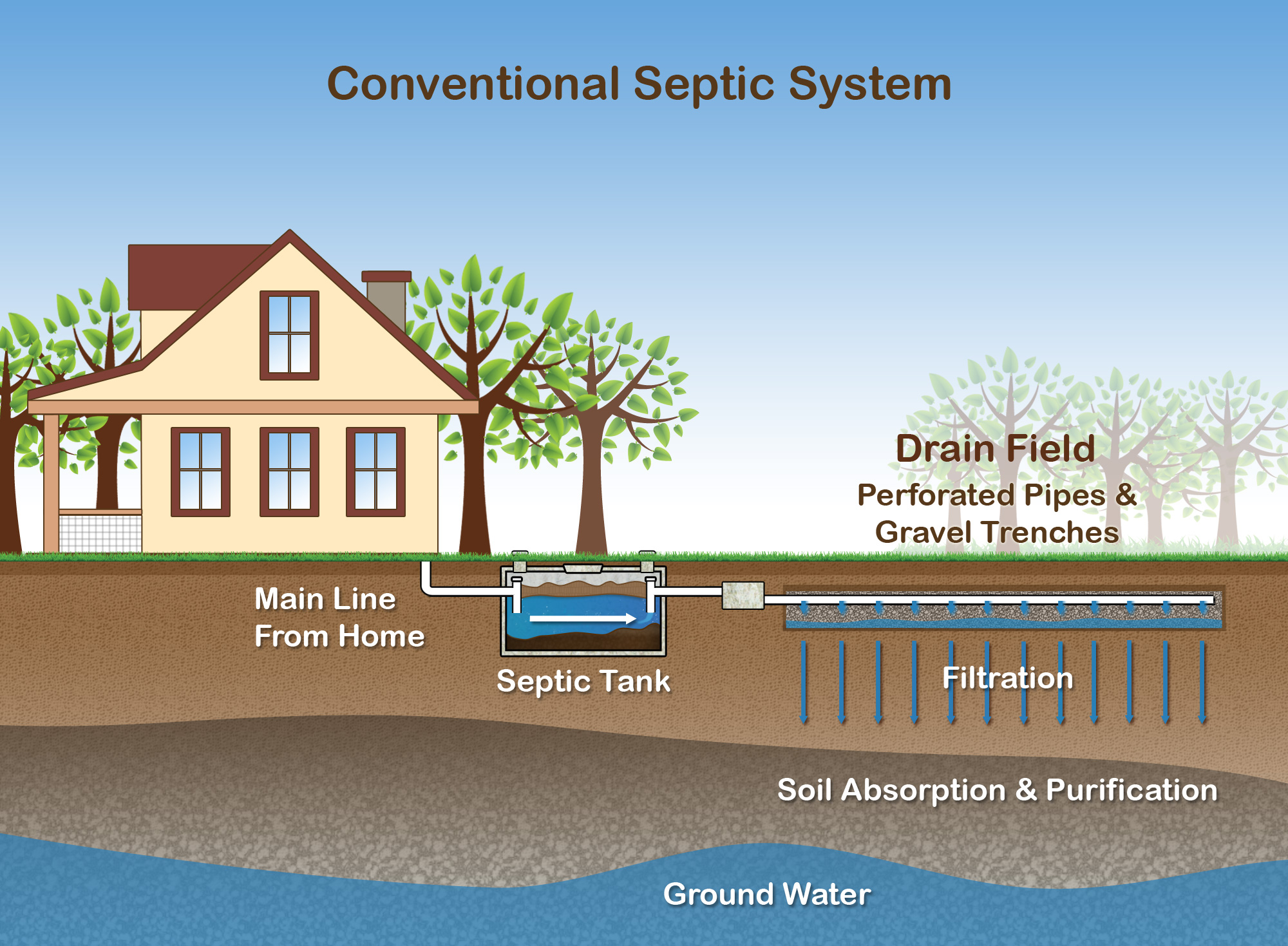
With proper care, a septic system can function effectively for 50 years or more [27] Alternative Septic Management July 9, 2024 Conventional vs. Aerobic Septic Systems Aerobic septic systems offer a more advanced alternative to conventional systems by incorporating oxygen into the wastewater treatment process. blog , but neglect can reduce this lifespan to as little as 5-10 years [8] US Environmental Protection Agency (EPA) March 24, 2025 Why Maintain Your Septic System | US EPA In general, a septic tank should be inspected every 1 to 3 years and pumped every 3 to 5 years. Government Agency . The financial implications are significant: while regular maintenance costs $250-$500 every three to five years, repairing or replacing a failed system can cost between $5,000 and $15,000 [10] Washington State Department of Health Signs of Septic System Failure Comprehensive guide to identifying and understanding septic system failures Government Health Resource . Beyond financial considerations, proper septic system maintenance protects groundwater, prevents environmental contamination, and preserves public health.
This report serves as a comprehensive guide for homeowners seeking to understand, maintain, and protect their septic systems through informed, proactive care.
Types of Septic Systems
Septic systems come in various designs to accommodate different soil conditions, property constraints, and environmental requirements. Understanding your specific system type is crucial for proper maintenance and troubleshooting. This section explores conventional gravity systems, chamber systems, and advanced alternatives, detailing how each functions and their respective advantages and limitations.
Conventional Gravity Systems
The conventional gravity system remains the most common septic system design in North America. This traditional approach relies on gravity to move wastewater through the treatment process without requiring pumps or electrical components.
A conventional septic system consists of two main components: "a septic tank that collects wastewater and separates solids from liquids, and a drainfield where effluent is naturally filtered through soil before reentering the environment." [3] Drainfield Solutions Drainfield Solutions Septic system service provider Local Service Business Inside the tank, the wastewater separates into three distinct layers: "The top layer is scum (fats and oils). The middle is wastewater. The bottom is sludge (solids)." [13] Angi November 16, 2023 What Is a Chamber Septic System? While a chamber septic system can effectively handle rain or stormwater, it's best not to allow a lot of water around your property to drain ... home services blog
The treatment process begins when wastewater enters the septic tank. "Once wastewater flows into the first chamber of the septic tank, the treatment process begins. Solids separate and settle to the bottom of the tank while the oils and greases float to the top. There is no oxygen in septic tanks; therefore, naturally occurring bacteria that function without oxygen (or anaerobic bacteria) break down the solids."
After sufficient settling time (typically 24 hours), the clarified wastewater from the middle layer flows through an outlet pipe to the drainfield. In the drainfield, "the wastewater percolates into the soil, which reclaims the water for future reuse by naturally removing harmful bacteria and some nutrients." [20] SepticSitter How It Works | Septic Alarm & Monitoring System | SepticSitter™ SepticSitter is a septic monitoring and early-warning system for onsite sewage systems. Non-contact sensors easily install in septic, pump tanks and drain ... technology product website
Conventional systems work best in areas with suitable soil conditions, adequate land area, and appropriate distance from groundwater tables. They are typically sized based on household size, with "a house with three bedrooms in Pennsylvania must have a 900-gallon or larger septic tank."
Chamber Systems
Chamber septic systems represent an evolution of the conventional drainfield design, offering advantages for certain property conditions. These systems "use a series of chambers, which are like pipes that are open at the bottom and have slits in the side, to release partially treated wastewater (called effluent) into the soil for further treatment." [15] NexGen Septics Septic System Designs What is the difference between a Chamber Septic System vs Conventional one? Chamber systems provide more efficient distribution of wastewater. Industry Blog
Unlike traditional gravel-filled trenches, chamber systems create large open spaces for wastewater distribution. "In a chamber septic system, there is a series of chambers instead of gravel trenches. Wastewater flows into the chambers, which are open at the bottom to release the water into the soil for further treatment." [15] NexGen Septics Septic System Designs What is the difference between a Chamber Septic System vs Conventional one? Chamber systems provide more efficient distribution of wastewater. Industry Blog
Chamber systems offer several advantages in specific situations. They "can be up to 50% smaller than conventional leach fields, making them ideal for properties with limited space." [15] NexGen Septics Septic System Designs What is the difference between a Chamber Septic System vs Conventional one? Chamber systems provide more efficient distribution of wastewater. Industry Blog Additionally, they're "common for properties where accessing gravel and/or having gravel delivered is too difficult or expensive. For instance, if you live in a mountainous area or remote area that is hard to access with heavy machinery, switching to the chamber system may be easier." [15] NexGen Septics Septic System Designs What is the difference between a Chamber Septic System vs Conventional one? Chamber systems provide more efficient distribution of wastewater. Industry Blog
These systems are also beneficial in areas with challenging environmental conditions. They "are common for areas with high water tables, and they can also be useful for homes with varying water usage, like vacation homes. That's because the chambers are larger, making more storage for wastewater and stormwater alike and giving the effluent more time to disperse into the ground and be treated by bacteria in the soil." [15] NexGen Septics Septic System Designs What is the difference between a Chamber Septic System vs Conventional one? Chamber systems provide more efficient distribution of wastewater. Industry Blog
The EPA classifies chamber systems as a type of "gravelless drainfield" that has "been widely used for over 30 years in many states and have become a conventional technology replacing gravel systems. They take many forms, including open-bottom chambers, fabric-wrapped pipe, and synthetic materials such as expanded polystyrene media." [16] Michigan Department of Environment, Great Lakes, and Energy September 17, 2024 EGLE's new Septic Replacement Loan Program reports early signs of success The SRLP is the first statewide resource for Michigan homeowners to replace failing and near-failing residential septic systems through low-interest loans. Government News
Advanced Alternative Systems
For properties with challenging site conditions or in environmentally sensitive areas, several advanced septic system alternatives have been developed. These systems employ additional treatment processes to overcome limitations that would make conventional systems unsuitable.
Aerobic Treatment Units (ATUs)
Aerobic Treatment Units represent a significant advancement in onsite wastewater treatment. Unlike conventional systems that rely on anaerobic bacteria, "Aerobic Treatment Units (ATUs) use many of the same processes as a municipal sewage plant, but on a smaller scale. An aerobic system injects oxygen into the treatment tank. The additional oxygen increases natural bacterial activity within the system that then provides additional treatment for nutrients in the effluent." [16] Michigan Department of Environment, Great Lakes, and Energy September 17, 2024 EGLE's new Septic Replacement Loan Program reports early signs of success The SRLP is the first statewide resource for Michigan homeowners to replace failing and near-failing residential septic systems through low-interest loans. Government News
The treatment process in an aerobic system is more complex than conventional systems. "In the aeration chamber, air is pumped into the tank, which mixes with the effluent and creates an environment where aerobic bacteria can thrive. These bacteria break down organic material more effectively than their anaerobic counterparts in conventional systems." Following aeration, "the treated effluent passes into a second settling tank to allow any remaining solids to settle out. The final step is typically a disinfection process, often using chlorine or UV light, to kill any remaining pathogens."
ATUs offer significant advantages in challenging environments. They "can be highly effective in locations with poor soil conditions or areas where environmental regulations require more stringent wastewater treatment." However, these benefits come with increased complexity: "Compared to conventional systems, aerobic systems are generally more complex and require more regular maintenance to ensure all components, such as the air pump and chlorinator, are functioning correctly."
Mound Systems
Mound systems are engineered to overcome site limitations such as shallow soil depth or high groundwater tables. These systems create an elevated drainfield using imported sand and other materials to provide adequate treatment depth above limiting soil layers or water tables.
The EPA notes that alternative systems like mound systems "address site-specific challenges such as poor soil drainage, limited space, or high groundwater levels. These non-conventional septic systems use additional treatment processes or specialized designs to improve wastewater management and meet environmental standards." [17] Manistee News Advocate June 7, 2024 Concerns raised over proposed septic system legislation House Bills 4479 and 4480 and Senate Bills 299 and 300 were proposed to mandate routine inspections and essential maintenance for all septic systems. Local News Outlet
Mound systems are particularly valuable in areas with high groundwater tables or shallow bedrock, where conventional drainfields would not provide adequate separation between effluent and groundwater. The elevated design creates the necessary soil depth for proper treatment while maintaining appropriate distance from limiting layers.
Evapotranspiration Systems
For arid regions with specific environmental conditions, evapotranspiration systems offer a unique solution. "An Evapotranspiration System is a type of septic system designed to dispose of effluent through the combined processes of evaporation and plant uptake. This system is particularly effective in arid or semi-arid climates where conventional septic systems may not work efficiently due to poor soil permeability or shallow groundwater tables." [17] Manistee News Advocate June 7, 2024 Concerns raised over proposed septic system legislation House Bills 4479 and 4480 and Senate Bills 299 and 300 were proposed to mandate routine inspections and essential maintenance for all septic systems. Local News Outlet
The EPA explains that "Evapotranspiration systems have unique drainfields. The base of the evapotranspiration system drainfield is lined with a watertight material. After the effluent enters the drainfield, it evaporates into the air. Unlike other septic system designs, the effluent never filters to the soil and never reaches groundwater."
These systems are particularly valuable in areas where soil conditions would not allow for adequate treatment through conventional soil absorption, or where groundwater protection is a primary concern. By preventing effluent from entering the soil profile, evapotranspiration systems can provide effective wastewater management in otherwise challenging sites.
Constructed Wetland Systems
Mimicking natural processes, constructed wetland systems offer an ecological approach to wastewater treatment. "A Constructed Wetland System mimics the natural filtration processes of a wetland to treat wastewater. In this septic system design, effluent flows through a shallow bed filled with plants, soil, and gravel, where it undergoes both physical and biological treatment." [17] Manistee News Advocate June 7, 2024 Concerns raised over proposed septic system legislation House Bills 4479 and 4480 and Senate Bills 299 and 300 were proposed to mandate routine inspections and essential maintenance for all septic systems. Local News Outlet
These systems can be particularly effective in areas where environmental sensitivity is a primary concern, as they provide enhanced nutrient removal through plant uptake and natural biological processes. The wetland plants not only assist in treatment but can also create aesthetic and habitat value on the property.
Constructed wetland systems typically require more land area than conventional systems but can provide excellent treatment with minimal mechanical components. They represent one of the most natural approaches to onsite wastewater treatment, working with ecological processes rather than against them.
Failure Points Analysis
Septic system failures rarely occur without warning. Understanding the common failure points and their causes allows homeowners to identify potential issues before they escalate into costly emergencies. This section examines the primary failure mechanisms in septic systems, analyzing how factors like age, maintenance practices, usage patterns, and environmental conditions contribute to system deterioration.
Common Failure Points
Septic systems can fail in various ways, with certain components being particularly vulnerable to problems. Understanding these failure points is essential for preventive maintenance and early intervention.
Septic tanks have a lifespan of 20-30 years. With time, they deteriorate, and different parts of a septic system stop functioning as they should. [7] US Environmental Protection Agency September 17, 2024 How to Care for Your Septic System Comprehensive guide to septic system maintenance from the US Environmental Protection Agency Government Agency Concrete tanks may last longer, with the EPA noting that "a septic tank made of concrete may last 50 years or more, although older tanks may not be as well constructed as newer tanks." [27] Alternative Septic Management July 9, 2024 Conventional vs. Aerobic Septic Systems Aerobic septic systems offer a more advanced alternative to conventional systems by incorporating oxygen into the wastewater treatment process. blog
One common issue involves the tank's internal components. "Clogged pipes, blocked inlet/outlet baffles, and drainfield saturation" [12] Onsite Installer November 06, 2024 5 Warning Signs of a Failing Septic System Every Installer Should Know Professional insights into early detection of septic system failures industry trade publication are frequent failure points that can disrupt the proper flow and treatment of wastewater. When baffles deteriorate or become blocked, they can allow solids to enter the drainfield, accelerating its failure.
Tank leaks represent another critical failure point. Cracks in aging tanks can allow untreated wastewater to leak into the surrounding soil, potentially contaminating groundwater. Conversely, groundwater infiltration into the tank can overload the system and disrupt the treatment process.
Drainfield Failures
The drainfield represents the most vulnerable and expensive component of a septic system. As Penn State Extension notes, "The drain field is the most expensive and difficult septic system component to correct or replace. Regular care and maintenance can help extend the lifespan and the entire septic system."
The most common drainfield failure mechanism involves biomat formation. "As the effluent enters the drain field, bacteria in the soil begin to thrive on the new food source. As these bacteria grow, they form a thick slimy colony called a biomat, which restricts the flow of effluent to the surrounding soil." [24] Florida Department of Environmental Protection October 29, 2024 Alternative Repair Methods An alternative repair method is a way to repair a failing system without drainfield addition or replacement. government agency website While some biomat formation is normal and beneficial for treatment, excessive growth can lead to system failure.
When a drainfield fails, the symptoms are often visible at the surface. "The most obvious sign of septic drain field failure is surfacing effluent. If the soils can no longer accept the effluent being delivered, the effluent will either rise to the ground surface or 'blow out' at the end of the last trench." [24] Florida Department of Environmental Protection October 29, 2024 Alternative Repair Methods An alternative repair method is a way to repair a failing system without drainfield addition or replacement. government agency website Other indicators include "lush patches above the drainfield [which] often mean untreated effluent is leaking and fertilizing the lawn." [14] US Environmental Protection Agency (EPA) March 21, 2025 Types of Septic Systems Below are ten of the most common types of septic systems used, followed by illustrations and descriptions of each system. Government Environmental Resource
Distribution System Problems
The components that distribute wastewater from the tank to the drainfield can also develop problems. Distribution boxes can crack, settle unevenly, or become clogged with solids, leading to uneven distribution of effluent across the drainfield. This uneven distribution can cause sections of the drainfield to become overloaded while others remain underutilized.
For systems with pumps, mechanical failures are common. The EPA notes that "If your septic system includes a pump, many pumps and controls will need to be replaced every 10 to 20 years." [27] Alternative Septic Management July 9, 2024 Conventional vs. Aerobic Septic Systems Aerobic septic systems offer a more advanced alternative to conventional systems by incorporating oxygen into the wastewater treatment process. blog Pump failures can prevent proper distribution of effluent, potentially causing backups into the home or tank overflows.
Other distribution system issues include clogged or broken pipes between the tank and drainfield, which can restrict flow or allow untreated effluent to leak into the surrounding soil. These problems may be difficult to detect without professional inspection but can significantly impact system performance.
Causes of System Failure
Understanding what causes septic systems to fail is crucial for preventing problems before they occur. Several factors contribute to system failures, many of which are directly related to homeowner behaviors and maintenance practices.
Hydraulic Overloading
Excessive water input is one of the most common causes of septic system failure. "Excessive water entering a septic system can overwhelm it, leading to incomplete waste processing, potential backups, and environmental contamination." [13] Angi November 16, 2023 What Is a Chamber Septic System? While a chamber septic system can effectively handle rain or stormwater, it's best not to allow a lot of water around your property to drain ... home services blog This overloading prevents proper treatment and can flush solids into the drainfield prematurely.
Even small water leaks can have significant impacts. The EPA warns that "Just a single leaky or running toilet can add as much as 200 gallons of water per day" [9] United States Environmental Protection Agency September 12, 2024 Septic System Care and Maintenance | US EPA Learn how septic systems work and get simple, everyday tips on how to properly maintain them government agency to a septic system. This additional flow can overwhelm a system designed for normal household usage.
Concentrated water usage, such as doing multiple loads of laundry in succession, can also stress the system. "Doing all household laundry in one day might seem like a time-saver but it can harm your septic system. It will not allow your septic tank enough time to treat waste and could flood your drainfield." [9] United States Environmental Protection Agency September 12, 2024 Septic System Care and Maintenance | US EPA Learn how septic systems work and get simple, everyday tips on how to properly maintain them government agency
Biological Overloading
The biological treatment capacity of a septic system can be overwhelmed by excessive organic matter or disrupted by harmful chemicals. "Hydraulic overloading occurs when too much water is sent to an under-designed system. The initial design of a system is based on soil and site characteristics, including depth to groundwater or bedrock." [24] Florida Department of Environmental Protection October 29, 2024 Alternative Repair Methods An alternative repair method is a way to repair a failing system without drainfield addition or replacement. government agency website
Garbage disposals contribute significantly to biological loading. The EPA cautions that garbage disposal use "can significantly impact septic tank maintenance, adding unnecessary solid material and requiring more frequent pumping."
Harsh household chemicals can disrupt the biological processes essential for proper septic function. "Harsh chemicals kill helpful bacteria in the tank. This slows down waste breakdown and can lead to clogs." [13] Angi November 16, 2023 What Is a Chamber Septic System? While a chamber septic system can effectively handle rain or stormwater, it's best not to allow a lot of water around your property to drain ... home services blog The EPA explains that "Your septic system contains a collection of living organisms that digest and treat household waste. Pouring toxins down your drain can kill these organisms and harm your septic system." [9] United States Environmental Protection Agency September 12, 2024 Septic System Care and Maintenance | US EPA Learn how septic systems work and get simple, everyday tips on how to properly maintain them government agency
Antibiotics and other medications that pass through the body can also affect the bacterial population in the septic tank, potentially reducing treatment efficiency. Similarly, water softeners and water treatment system backwash can introduce salts and other chemicals that disrupt the biological balance.
Physical Obstructions
Physical damage and obstructions represent another category of failure causes. Tree roots are particularly problematic: "Tree roots can penetrate through the septic tanks and drain fields leading to the development of cracks and blocking of the drains." [7] US Environmental Protection Agency September 17, 2024 How to Care for Your Septic System Comprehensive guide to septic system maintenance from the US Environmental Protection Agency Government Agency Fast-growing trees planted too close to septic components can cause significant damage as they seek out moisture and nutrients.
Improper items flushed down toilets or drains can create blockages throughout the system. "Paper products like wipes, tissues, and paper towels should never be flushed. Sanitary products, diapers, and cotton swabs can also cause clogs and damage to the septic system." [25] United States Environmental Protection Agency March 27, 2025 Frequent Questions on Septic Systems | US EPA Comprehensive guide to septic system maintenance, regulations, and best practices government agency
Physical damage can also occur from vehicles driving or parking over system components, heavy equipment operation during landscaping or construction, or the placement of structures over the drainfield. These activities can compact soil, crush pipes, or damage tank access points.
Environmental Factors
Environmental conditions can significantly impact septic system performance. In rural areas, "rural areas are prone to extreme weather, such as heavy rainfall and flooding, which may saturate the soil and prevent a septic system from processing wastewater." [6] JT Service Co DIY vs. Professional Septic System Repairs A complete guide walking through the decision making process of DIY vs professional septic system repairs blog Saturated soils cannot accept additional wastewater, leading to system backups or surface breakouts.
Soil conditions play a crucial role in drainfield function. "Highly permeable soils may result in water passing through too quickly to ensure safety from groundwater contamination. On the other hand, low-permeability soils lead to surface pooling and thus can fail the system." [6] JT Service Co DIY vs. Professional Septic System Repairs A complete guide walking through the decision making process of DIY vs professional septic system repairs blog
Wildlife can also impact septic systems, particularly in rural areas. "Wildlife can cause disruptions to septic systems by breaking components or densifying the soil, creating system failure. Protective barriers can be installed around the system." [6] JT Service Co DIY vs. Professional Septic System Repairs A complete guide walking through the decision making process of DIY vs professional septic system repairs blog
Neglected Maintenance
Perhaps the most preventable cause of septic failure is neglected maintenance. "Neglecting maintenance of system components only leads to failure." [24] Florida Department of Environmental Protection October 29, 2024 Alternative Repair Methods An alternative repair method is a way to repair a failing system without drainfield addition or replacement. government agency website When tanks aren't pumped regularly, solids can accumulate beyond the tank's capacity and begin flowing into the drainfield.
Regular inspections are essential for catching problems early. "A lack of upkeep can cause a system to fail in as little as 5 to 10 years. Understanding what to look for and how to properly maintain the system can help keep it running efficiently." [8] US Environmental Protection Agency (EPA) March 24, 2025 Why Maintain Your Septic System | US EPA In general, a septic tank should be inspected every 1 to 3 years and pumped every 3 to 5 years. Government Agency Conversely, "Simple maintenance can extend a system's longevity by as much as three decades." [8] US Environmental Protection Agency (EPA) March 24, 2025 Why Maintain Your Septic System | US EPA In general, a septic tank should be inspected every 1 to 3 years and pumped every 3 to 5 years. Government Agency
Neglected maintenance also includes failure to repair minor issues before they develop into major problems. Small leaks, minor component failures, or early signs of drainfield stress can often be addressed relatively inexpensively if caught early, but can lead to complete system failure if ignored.
Risk Assessment
Failed septic systems pose significant risks that extend far beyond unpleasant odors or inconvenient backups. The consequences can affect environmental health, public safety, property values, and financial security. This section examines the multifaceted risks associated with septic system failures, providing homeowners with a clear understanding of what's at stake when maintenance is neglected.
Environmental Impacts
Septic system failures can have far-reaching environmental consequences, particularly in rural areas where systems are concentrated and natural water resources are abundant.
Groundwater Contamination
When septic systems fail, one of the most serious consequences is groundwater contamination. The EPA warns that "More than four billion gallons of wastewater are dispersed below the ground's surface every day. Ground water contaminated by poorly or untreated household wastewater poses dangers to drinking water and to the environment." [10] Washington State Department of Health Signs of Septic System Failure Comprehensive guide to identifying and understanding septic system failures Government Health Resource
This contamination can spread far beyond the property where the failure occurs. "Once this untreated wastewater enters the groundwater, you and your neighbor's wells can be contaminated. If the sewage reaches nearby streams or waterbodies, shellfish beds and recreational swimming areas can be contaminated." [12] Onsite Installer November 06, 2024 5 Warning Signs of a Failing Septic System Every Installer Should Know Professional insights into early detection of septic system failures industry trade publication
The contaminants in untreated wastewater are numerous and harmful. "Household wastewater contains disease causing bacteria and viruses and high levels of nitrogen and phosphorus. If a septic system is well-maintained and working properly, it will remove most of these pollutants." [10] Washington State Department of Health Signs of Septic System Failure Comprehensive guide to identifying and understanding septic system failures Government Health Resource However, failing systems allow these pollutants to enter the environment untreated.
Surface Water Impacts
Failed septic systems can also contaminate surface waters, affecting recreational areas, wildlife habitats, and drinking water sources. "If the sewage reaches nearby streams or waterbodies, shellfish beds and recreational swimming areas can be contaminated." [12] Onsite Installer November 06, 2024 5 Warning Signs of a Failing Septic System Every Installer Should Know Professional insights into early detection of septic system failures industry trade publication
This contamination can trigger environmental cascades, such as algal blooms from excess nutrients. These blooms deplete oxygen in water bodies, potentially causing fish kills and disrupting aquatic ecosystems. The high nitrogen and phosphorus levels in untreated wastewater are particularly problematic for sensitive aquatic environments.
Surface water contamination can also affect downstream water users, potentially impacting municipal water supplies, agricultural irrigation, and industrial water uses. The economic impacts of such contamination can extend far beyond the immediate area of the septic failure.
Soil Contamination
The soil surrounding a failed septic system becomes contaminated with pathogens and excess nutrients. This contamination can persist for extended periods, affecting plant growth and potentially entering the food chain through home gardens or agricultural activities.
Remediation of contaminated soil can be expensive and time-consuming, often requiring removal and replacement of affected areas. In severe cases, the contamination may render portions of the property unusable until remediation is complete.
Soil contamination can also affect neighboring properties through groundwater movement or surface runoff, potentially creating liability issues for the system owner. The extent of contamination depends on soil type, topography, and the volume and duration of the septic failure.
Beyond the immediate contamination, failed septic systems can alter soil chemistry and structure, potentially affecting its ability to support vegetation or properly treat wastewater in the future. This can complicate system repairs or replacement, potentially requiring more extensive and expensive solutions.
Health Risks
Failed septic systems pose significant health risks to household members, neighbors, and the broader community through exposure to pathogens and harmful substances.
Pathogen Exposure
Untreated sewage contains numerous disease-causing organisms. "The sewage carries pathogens and other dangerous contaminants. Exposure to these pathogens and contaminants can make people and animals sick." [12] Onsite Installer November 06, 2024 5 Warning Signs of a Failing Septic System Every Installer Should Know Professional insights into early detection of septic system failures industry trade publication
Common pathogens in sewage include bacteria like E. coli, viruses, and parasites that can cause gastrointestinal illness, hepatitis, and other serious conditions. These pathogens can be transmitted through direct contact with contaminated water, soil, or surfaces, as well as through consumption of contaminated water or food.
Children, elderly individuals, and those with compromised immune systems are particularly vulnerable to these pathogens. Even brief exposure can lead to significant illness in susceptible populations.
Waterborne Disease Outbreaks
On a community scale, septic system failures have been linked to waterborne disease outbreaks. When multiple systems fail in an area, or when a single large system serving multiple properties fails, the resulting contamination can affect community water supplies and recreational waters.
These outbreaks can affect dozens or even hundreds of people, straining local healthcare resources and potentially causing lasting health impacts. The economic costs of such outbreaks extend beyond direct medical expenses to include lost productivity, investigation costs, and remediation efforts.
Public health agencies monitor for such outbreaks and may impose restrictions on water use or access to affected areas until the contamination is addressed. These restrictions can affect local businesses, recreational activities, and property values throughout the affected area.
Property Impacts
Septic system failures can significantly affect property values, usability, and legal standing, creating both immediate and long-term consequences for homeowners.
Property Value Reduction
A failed septic system can substantially reduce property values, often by more than the cost of repairs or replacement. Potential buyers are typically wary of properties with known septic issues, and mortgage lenders may refuse to finance purchases until systems are repaired or replaced.
Even after repairs, properties with a history of septic failures may face stigma in the real estate market, potentially affecting resale value for years. This impact can be particularly significant in rural areas where alternative wastewater treatment options are limited.
The reduction in property value can also affect property tax assessments and home equity, potentially limiting homeowners' financial options and flexibility. In severe cases, the cost of system replacement may exceed the equity available in the property, creating difficult financial decisions for homeowners.
Property Use Restrictions
Regulatory agencies may impose use restrictions on properties with failed septic systems. These restrictions can include limitations on occupancy, prohibitions on certain water-using activities, or even condemnation in severe cases.
In some jurisdictions, properties with failed septic systems cannot be legally occupied until repairs are completed and approved by local health departments. This can force homeowners to seek alternative housing while navigating the repair process, adding significant costs and stress to an already challenging situation.
Use restrictions may also affect property improvements or expansions. Many jurisdictions require septic system evaluation and potential upgrades when building permits are requested for home additions or renovations. A failing system can prevent these improvements until the septic issues are addressed.
Legal Liability
Homeowners with failed septic systems may face legal liability for environmental damage, health impacts, or property damage affecting neighbors. These liabilities can extend beyond the cost of system repairs to include damages awarded through civil lawsuits.
Additionally, knowingly operating a failed septic system may constitute a violation of local health codes or environmental regulations, potentially resulting in fines or other penalties. These violations may need to be disclosed during property sales, further affecting marketability and value.
In some cases, homeowners may be required to connect to municipal sewer systems if they become available, potentially incurring significant connection fees in addition to the costs of abandoning the failed septic system. These requirements can create substantial financial burdens, particularly for homeowners on fixed incomes.
Financial Consequences
The financial impacts of septic system failures extend far beyond the immediate repair costs, potentially affecting homeowners' financial security and future plans.
Repair and Replacement Costs
The most obvious financial impact is the cost of repairing or replacing the failed system. "Regular septic system maintenance fees of $250 to $500 every three to five years is a bargain compared to the cost of repairing or replacing a malfunctioning system, which can cost between $5,000 and $15,000 for a conventional system." [10] Washington State Department of Health Signs of Septic System Failure Comprehensive guide to identifying and understanding septic system failures Government Health Resource
These costs can be particularly burdensome for rural homeowners with limited financial resources. Unlike urban residents who may have access to municipal financing for sewer connections, rural homeowners typically bear the full cost of septic repairs or replacements.
Some states have recognized this burden and created assistance programs. In Michigan, for example, "The SRLP is the first statewide resource for Michigan homeowners to replace failing and near-failing residential septic systems through low-interest loans and aims to protect public health and the environment by assuring replacement systems are being designed, installed and maintained in accordance with industry best practices." [18] Michigan Department of Environment, Great Lakes, and Energy (EGLE) Onsite Wastewater Management - State of Michigan The Onsite Wastewater Management Unit is a required service for local health departments under Michigan's Public Health Code, Act 368 of 1978. government website
Emergency Service Premiums
When septic systems fail suddenly, homeowners often face premium rates for emergency pumping, inspection, and repair services. These emergency services can cost 50-100% more than scheduled maintenance, adding financial strain during an already stressful situation.
Additionally, emergency failures often occur during holidays, weekends, or severe weather events when service availability is limited and costs are higher. The timing of these failures can force homeowners to pay whatever is necessary to restore basic household functions.
Emergency repairs may also be less thorough or durable than planned maintenance, potentially leading to recurring problems and additional expenses in the future. The rushed nature of emergency work can limit options for system improvements or optimizations that might be considered during scheduled maintenance.
The financial impact of emergency services extends beyond the direct costs to include potential damage to home interiors, belongings, or landscaping from backups or emergency excavation. These secondary costs may not be covered by homeowners insurance, particularly if the failure resulted from neglected maintenance.
Alternative Housing Costs
In severe failure scenarios, homes may become temporarily uninhabitable, forcing families to secure alternative housing while repairs are completed. These costs can include hotel stays, short-term rentals, or extended stays with family members, all while continuing to pay the mortgage and utilities for the primary residence.
For families with limited resources, these additional housing costs can be financially devastating, potentially forcing difficult choices between adequate housing and other essential needs.
The duration of displacement can vary significantly depending on the nature of the failure, the availability of repair services, permitting requirements, and weather conditions. What might initially be estimated as a few days can extend to weeks or even months in complex cases, multiplying the financial impact.
Regulatory Penalties
Homeowners who fail to address septic system failures promptly may face regulatory penalties from local health departments or environmental agencies. These penalties can include fines, mandatory system upgrades beyond simple repairs, or legal proceedings.
In some jurisdictions, repeated violations can result in escalating penalties or even criminal charges for willful non-compliance. The financial impact of these penalties can far exceed the cost of routine maintenance that might have prevented the failure.
Regulatory actions may also include requirements for ongoing monitoring or reporting, creating additional long-term costs beyond the immediate repairs. These requirements can be particularly burdensome for homeowners with limited technical knowledge or resources.
The regulatory process itself can involve significant costs for inspections, permits, engineering services, and documentation. These administrative costs can add substantially to the overall financial impact of a septic failure, particularly in jurisdictions with complex regulatory frameworks.
Cost-Benefit Analysis
Maintaining a septic system represents a significant financial commitment, but the alternatives—emergency repairs or complete system replacement—can be far more costly. This section provides a detailed cost comparison between regular maintenance and emergency scenarios, with specific data for rural Michigan and metropolitan Northern Virginia. Understanding these economics helps homeowners make informed decisions about septic system care.
Maintenance Costs vs. Repair Costs
The financial case for regular septic system maintenance is compelling when compared to the costs of emergency repairs or system replacement.
Regular Maintenance Expenses
Regular septic system maintenance includes routine inspections, pumping, and minor repairs. According to the EPA, "Regular septic system maintenance fees of $250 to $500 every three to five years is a bargain compared to the cost of repairing or replacing a malfunctioning system, which can cost between $5,000 and $15,000 for a conventional system." [10] Washington State Department of Health Signs of Septic System Failure Comprehensive guide to identifying and understanding septic system failures Government Health Resource
For homeowners, this translates to an annual maintenance cost of approximately $50-$170 per year when averaged over time. This modest investment protects a much larger asset, as "a septic system represents a significant home investment, typically valued between $6,000 and $12,000." [2] NC State Extension Why Do Septic Systems Fail? A common reason for septic system failure is overloading the system with more water than it can absorb. A septic system is designed for a specific wastewater ... Academic/Educational
Regular maintenance tasks and their typical costs include:
- Annual inspections: $250-$500
- Tank pumping (every 3-5 years): $300-$600
- Effluent filter cleaning (annual): $100-$150
- Minor repairs and component replacements: $150-$500
The frequency of these services varies based on household size, water usage, and system type. "Alternative systems with electrical float switches, pumps, or mechanical components should be inspected more often, generally once a year." [9] United States Environmental Protection Agency September 12, 2024 Septic System Care and Maintenance | US EPA Learn how septic systems work and get simple, everyday tips on how to properly maintain them government agency
Emergency Repair and Replacement Costs
When septic systems fail due to neglected maintenance, the costs increase dramatically. Emergency repairs often involve premium service rates, extensive excavation, and replacement of major components.
Common emergency scenarios and their associated costs include:
- Emergency pumping (including after-hours service): $500-$1,000
- Drainfield repairs: $2,000-$10,000
- Tank replacement: $3,000-$7,000
- Complete system replacement: $5,000-$15,000
- Property remediation (for severe failures): $5,000-$20,000+
These costs don't include secondary expenses such as landscaping restoration, driveway or hardscape repairs, or alternative housing during major repairs. For many homeowners, these unexpected expenses can create significant financial hardship.
The timing of emergency repairs can also affect costs. Winter repairs in northern climates may require specialized equipment for frozen ground, while wet season repairs may involve additional dewatering costs. These seasonal factors can add 20-30% to the overall repair costs.
Long-term Financial Impact
The cumulative financial impact of regular maintenance versus neglect becomes clear when projected over a system's lifespan. Consider two scenarios over a 30-year period:
This simplified comparison demonstrates that neglecting maintenance can more than double the lifetime cost of a septic system, not including the potential impacts on property value or environmental remediation costs.
Scenario 1: Regular Maintenance
- Annual inspections: $250 × 30 years = $7,500
- Tank pumping every 4 years: $450 × 7.5 pumpings = $3,375
- Minor repairs: $2,000 (estimated total)
- Total 30-year cost: $12,875
Scenario 2: Neglected Maintenance
- Emergency pumping: $750 × 3 incidents = $2,250
- Major drainfield repair: $7,500
- Tank replacement: $5,000
- Complete system replacement: $12,000
- Total 30-year cost: $26,750
Beyond direct costs, regular maintenance provides predictability and control over timing, allowing homeowners to schedule services during optimal conditions and budget appropriately. Emergency repairs, by contrast, often occur at the most inconvenient times and may force homeowners to accept whatever options are immediately available, regardless of cost or quality.
Regional Cost Comparisons
Septic system costs vary significantly by region due to differences in labor rates, material costs, regulatory requirements, and market conditions. This section compares costs in rural Michigan and metropolitan Northern Virginia.
Rural Michigan
Michigan has unique septic system challenges and opportunities. It is "the only state in the country that doesn't have a statewide sanitary code. This means that each county or municipality is responsible for setting its own standards for onsite sewage treatment systems." [19] All Pro Septic March 25, 2024 Septic System Advancements – Smart Monitoring Systems These innovative systems use sensors, data analytics, and remote monitoring capabilities to provide real-time information about the health and performance of septic systems blog Additionally, "only 11 out of 83 Michigan counties currently require septic system inspections." [19] All Pro Septic March 25, 2024 Septic System Advancements – Smart Monitoring Systems These innovative systems use sensors, data analytics, and remote monitoring capabilities to provide real-time information about the health and performance of septic systems blog
The state has "between 1.3-1.4 million onsite septic systems, with approximately 35% of residents relying on them." [19] All Pro Septic March 25, 2024 Septic System Advancements – Smart Monitoring Systems These innovative systems use sensors, data analytics, and remote monitoring capabilities to provide real-time information about the health and performance of septic systems blog This widespread use has led to some innovative programs, such as the Septic Replacement Loan Program, which "allocated $35 million to EGLE's Onsite Wastewater Management Unit for the development of a statewide loan program to address failing septic systems." [18] Michigan Department of Environment, Great Lakes, and Energy (EGLE) Onsite Wastewater Management - State of Michigan The Onsite Wastewater Management Unit is a required service for local health departments under Michigan's Public Health Code, Act 368 of 1978. government website
Typical costs in rural Michigan include:
- Annual inspection: $200-$350
- Tank pumping: $250-$400
- Effluent filter cleaning: $75-$125
- Drainfield repair: $3,000-$8,000
- Complete system replacement: $5,000-$12,000
These costs are generally lower than national averages due to lower labor rates and less stringent regulatory requirements in many counties. However, the absence of a statewide code means that requirements and costs can vary significantly between neighboring counties.
Metropolitan Northern Virginia
Northern Virginia's dense population, high property values, and stringent environmental regulations create a different cost landscape for septic system services. The region's proximity to the Chesapeake Bay watershed has led to enhanced regulations aimed at reducing nutrient pollution.
Typical costs in metropolitan Northern Virginia include:
- Annual inspection: $350-$600
- Tank pumping: $400-$700
- Effluent filter cleaning: $150-$250
- Drainfield repair: $5,000-$15,000
- Complete system replacement: $10,000-$25,000
These higher costs reflect several factors:
- Higher labor and equipment rates in the metropolitan area
- More stringent regulatory requirements and permitting processes
- Limited contractor availability due to the prevalence of municipal sewer systems
- Higher property values requiring more careful excavation and restoration
- Greater likelihood of alternative system requirements due to challenging site conditions
For Northern Virginia homeowners, these elevated costs make the case for preventive maintenance even more compelling, as emergency repairs can quickly escalate into five-figure expenses.
Cost-Saving Strategies
Despite the significant costs associated with septic system maintenance and repairs, homeowners can employ several strategies to manage these expenses effectively.
Maintenance Budgeting
Financial planning is essential for managing septic system costs. "Effective septic system maintenance requires thoughtful financial planning. Rather than viewing maintenance costs as occasional large expenses, consider implementing a monthly budgeting approach that helps spread costs more evenly throughout the year." [2] NC State Extension Why Do Septic Systems Fail? A common reason for septic system failure is overloading the system with more water than it can absorb. A septic system is designed for a specific wastewater ... Academic/Educational
Experts recommend setting aside funds regularly: "Homeowners should budget monthly for septic system maintenance, with recommended savings of $50-75 for newer systems and $75-100 for older systems." [2] NC State Extension Why Do Septic Systems Fail? A common reason for septic system failure is overloading the system with more water than it can absorb. A septic system is designed for a specific wastewater ... Academic/Educational This approach prevents maintenance costs from becoming financial emergencies.
A dedicated septic maintenance fund can be established with automatic monthly transfers, ensuring that funds are available when needed. "Break down your annual maintenance costs into manageable monthly contributions. Regular services like filter cleaning (starting at $120) and annual inspections (starting at $800) can be anticipated and budgeted for accordingly. Tank pumping, while less frequent, should also factor into your monthly savings plan." [2] NC State Extension Why Do Septic Systems Fail? A common reason for septic system failure is overloading the system with more water than it can absorb. A septic system is designed for a specific wastewater ... Academic/Educational
Financial Assistance Programs
Several states have developed financial assistance programs to help homeowners maintain or replace failing septic systems. In Michigan, for example, "The SRLP is the first statewide resource for Michigan homeowners to replace failing and near-failing residential septic systems through low-interest loans and aims to protect public health and the environment by assuring replacement systems are being designed, installed and maintained in accordance with industry best practices." [18] Michigan Department of Environment, Great Lakes, and Energy (EGLE) Onsite Wastewater Management - State of Michigan The Onsite Wastewater Management Unit is a required service for local health departments under Michigan's Public Health Code, Act 368 of 1978. government website
Similar programs exist in other states, often administered through health departments, environmental agencies, or rural development organizations. These programs may offer:
- Low-interest loans for repairs or replacements
- Grants for low-income homeowners
- Tax incentives for system upgrades
- Cost-sharing for environmentally sensitive areas
Homeowners should contact their local health department or state environmental agency to inquire about available assistance programs.
Preventive Maintenance Practices
Beyond professional services, homeowners can reduce long-term costs through daily habits that protect septic system function. "Daily household habits directly impact septic system performance, including water usage, cleaning product selection, and waste disposal practices." [2] NC State Extension Why Do Septic Systems Fail? A common reason for septic system failure is overloading the system with more water than it can absorb. A septic system is designed for a specific wastewater ... Academic/Educational
Cost-saving practices include:
- Water conservation through efficient fixtures and mindful usage
- Spreading laundry loads throughout the week
- Using septic-safe cleaning products
- Avoiding garbage disposal use
- Keeping accurate maintenance records
These practices extend the intervals between professional services and reduce the likelihood of costly failures. "Maintain a healthy septic system by avoiding flushing non-biodegradable items, excessive use of household chemicals, and overloading the system with water. Water conservation measures and paying attention to what goes down the drain can make a huge difference in how well the system performs." [6] JT Service Co DIY vs. Professional Septic System Repairs A complete guide walking through the decision making process of DIY vs professional septic system repairs blog
Professional Maintenance Protocol
Professional septic system maintenance requires specialized knowledge, equipment, and certifications. This section outlines the essential professional services needed to keep septic systems functioning properly, including inspection procedures, pumping protocols, and component-specific maintenance tasks. Understanding these professional requirements helps homeowners recognize when to call experts and what to expect from their services.
Inspection Procedures
Regular professional inspections are the cornerstone of effective septic system maintenance. These comprehensive evaluations identify potential issues before they develop into costly failures.
Inspection Frequency
The EPA recommends that "The average household septic system should be inspected at least every three years by a septic service professional." [9] United States Environmental Protection Agency September 12, 2024 Septic System Care and Maintenance | US EPA Learn how septic systems work and get simple, everyday tips on how to properly maintain them government agency However, this frequency may increase based on several factors: "Alternative systems with electrical float switches, pumps, or mechanical components should be inspected more often, generally once a year." [9] United States Environmental Protection Agency September 12, 2024 Septic System Care and Maintenance | US EPA Learn how septic systems work and get simple, everyday tips on how to properly maintain them government agency
System usage also affects inspection intervals. Homes with high occupancy, home businesses, or frequent entertaining may require more frequent inspections. Similarly, older systems or those with a history of problems benefit from more regular professional oversight.
Comprehensive Inspection Components
A thorough professional inspection includes several key elements:
- Records Review: The inspector should begin by reviewing the system's documentation, including "installation date and original permits. These documents often contain valuable information about your tank's size, type, and specific installation details." [2] NC State Extension Why Do Septic Systems Fail? A common reason for septic system failure is overloading the system with more water than it can absorb. A septic system is designed for a specific wastewater ... Academic/Educational
- Tank Inspection: This includes checking the tank's structural integrity, water levels, and the condition of baffles and dividers. The inspector will measure sludge and scum layers to determine if pumping is needed.
- Distribution System Evaluation: For systems with distribution boxes, pumps, or pressure distribution components, the inspector will verify proper function and equal distribution to all parts of the drainfield.
- Drainfield Assessment: The inspector will check for signs of drainfield stress or failure, including wet areas, unusual vegetation growth, or odors. "If areas around the drain field stay wet without rainfall, the system may be oversaturated and struggling to treat wastewater." [14] US Environmental Protection Agency (EPA) March 21, 2025 Types of Septic Systems Below are ten of the most common types of septic systems used, followed by illustrations and descriptions of each system. Government Environmental Resource
- Component Testing: For systems with mechanical or electrical components, testing ensures proper function. "Professional septic service providers have specialized equipment like inspection cameras, high-powered pumps, and soil testing equipment for accurate assessments." [3] Drainfield Solutions Drainfield Solutions Septic system service provider Local Service Business
- Documentation: A comprehensive inspection should conclude with detailed documentation of findings, recommendations, and a maintenance schedule.
Professional inspections provide a comprehensive assessment that goes far beyond what homeowners can observe, often identifying developing issues before they become apparent through visible symptoms. This early detection can save thousands of dollars in repair costs and prevent environmental contamination.
Advanced Diagnostic Techniques
Modern septic inspections often employ advanced technologies for more thorough assessments:
- Camera Inspections: "In 2025, new tools will help find septic issues faster. Plumbers and septic pros use these to check your whole system. One tool is a special camera that is inserted into pipes to look for cracks or blockages." [13] Angi November 16, 2023 What Is a Chamber Septic System? While a chamber septic system can effectively handle rain or stormwater, it's best not to allow a lot of water around your property to drain ... home services blog
- Dye Testing: Fluorescent dye can be introduced to the system to trace water flow and identify potential leaks or breakouts.
- Electronic Monitoring: "Smart septic monitors are changing how we track tank health. These devices use sensors to check water levels, pH, and waste breakdown. They can spot problems before they get big." [13] Angi November 16, 2023 What Is a Chamber Septic System? While a chamber septic system can effectively handle rain or stormwater, it's best not to allow a lot of water around your property to drain ... home services blog
- Soil Evaluation: For drainfield assessment, professionals may test soil compaction, permeability, and moisture content to evaluate treatment capacity.
These advanced diagnostic techniques allow for more precise identification of problems and more targeted repairs, potentially reducing costs and extending system life. They also provide more detailed documentation of system condition, which can be valuable for property transfers or regulatory compliance.
Pumping Protocol
Tank pumping removes accumulated solids that cannot be broken down by bacterial action, preventing them from entering and damaging the drainfield.
Determining Pumping Frequency
The EPA notes that "Household septic tanks are typically pumped every three to five years." [9] United States Environmental Protection Agency September 12, 2024 Septic System Care and Maintenance | US EPA Learn how septic systems work and get simple, everyday tips on how to properly maintain them government agency However, this interval varies based on several factors: "These are the major factors that influence how often to pump your septic system: household size, total wastewater generated, volume of solids in wastewater, septic tank size." [9] United States Environmental Protection Agency September 12, 2024 Septic System Care and Maintenance | US EPA Learn how septic systems work and get simple, everyday tips on how to properly maintain them government agency
Professional inspectors determine pumping need by measuring sludge and scum layers. Generally, pumping is recommended when the bottom of the scum layer is within 6 inches of the bottom of the outlet baffle, the top of the sludge layer is within 12 inches of the bottom of the outlet baffle, or the total solids occupy more than one-third of the tank volume.
Frequent pumping requirements may indicate underlying issues. "If a client's tank needs pumping more often than usual, there could be system design issues or undetected leaks." [14] US Environmental Protection Agency (EPA) March 21, 2025 Types of Septic Systems Below are ten of the most common types of septic systems used, followed by illustrations and descriptions of each system. Government Environmental Resource Tracking pumping frequency over time can help identify developing problems before they cause system failure.
Professional Pumping Procedure
A proper professional pumping service includes several important steps:
- Locating and Accessing the Tank: The service provider will locate the tank and excavate to access the lids if they're buried. Some modern systems have risers that extend to the surface for easier access.
- Inspection Before Pumping: Before pumping begins, the service provider should inspect the tank's condition, water levels, and the condition of baffles and dividers.
- Complete Evacuation: "Professional septic service providers have specialized equipment like inspection cameras, high-powered pumps, and soil testing equipment for accurate assessments." [3] Drainfield Solutions Drainfield Solutions Septic system service provider Local Service Business The pumping should remove all solids, not just the liquid portion.
- Tank Cleaning: After pumping, the interior of the tank may be rinsed to remove stubborn solids, particularly from corners and behind baffles.
- Baffle Inspection and Cleaning: The inlet and outlet baffles should be inspected and cleaned during pumping to ensure proper flow.
- Filter Cleaning or Replacement: If the system has an effluent filter, it should be cleaned or replaced during the pumping service.
- Post-Pumping Inspection: After pumping, the empty tank should be inspected for cracks, root intrusion, or structural issues that weren't visible when full.
- Proper Waste Disposal: The pumped septage must be transported and disposed of according to local regulations, typically at an approved treatment facility.
- Documentation: The service should conclude with documentation of the pumping, including the date, volume removed, tank condition, and any recommendations.
A thorough pumping service provides more than just waste removal—it's a comprehensive maintenance opportunity that includes inspection, cleaning, and assessment of the entire tank and its components. This comprehensive approach helps identify potential issues before they develop into failures.
Component-Specific Maintenance
Beyond routine inspections and pumping, professional maintenance includes specialized care for specific system components.
Tank and Baffle Maintenance
Professional tank maintenance includes:
- Structural Repairs: Minor cracks or deterioration can sometimes be repaired without full tank replacement. These repairs require specialized materials and techniques to ensure watertight results.
- Baffle Replacement: Damaged or deteriorated baffles can be replaced to prevent solids from entering the drainfield. This is particularly important for older concrete tanks with cast-in-place concrete baffles.
- Riser Installation: Installing risers to bring access points to the surface simplifies future maintenance and reduces the cost of subsequent services.
- Divider Wall Repair: In two-compartment tanks, the divider wall may develop leaks that reduce treatment efficiency. Professional repair restores proper function.
These targeted maintenance services can significantly extend tank life and improve system performance, often at a fraction of the cost of tank replacement. Regular professional assessment of tank components helps identify maintenance needs before they develop into failures.
Pump and Control System Service
For systems with pumps, professional maintenance includes:
- Pump Testing: Verifying proper pump function, including flow rate, pressure, and electrical consumption.
- Control Panel Inspection: Checking float switches, alarms, timers, and electrical connections for proper operation.
- Pump Chamber Cleaning: Removing accumulated solids from the pump chamber to prevent damage to the pump.
- Component Replacement: Replacing worn floats, switches, or other components before they fail completely.
- Alarm System Testing: Ensuring that high-water alarms function properly to alert homeowners to potential problems.
Regular professional maintenance of pump systems is particularly important because pump failures can quickly lead to system backups and potential property damage. Unlike gravity systems that may continue functioning during power outages or component failures, pump systems require immediate attention when problems occur.
Drainfield Maintenance and Restoration
Professional drainfield services include:
- Drainfield Assessment: Evaluating soil compaction, moisture content, and signs of stress or failure.
- Jetting and Cleaning: For minor clogging, "jetting (high-pressure water injection), soil fracturing, and creating an alternating drain field system" [24] Florida Department of Environmental Protection October 29, 2024 Alternative Repair Methods An alternative repair method is a way to repair a failing system without drainfield addition or replacement. government agency website may restore function.
- Rest and Rotation: For systems with multiple drainfields, professionals can implement rotation strategies. "After a replacement system has been installed, a homeowner should switch back to the old drain field after two years, and then switch back and forth between the two systems annually. This will result in a continuous use and rejuvenation cycle for both drain fields and should prevent future failures." [24] Florida Department of Environmental Protection October 29, 2024 Alternative Repair Methods An alternative repair method is a way to repair a failing system without drainfield addition or replacement. government agency website
- Soil Rejuvenation: Various techniques can help restore soil permeability, including "aeration, adding enzymes, or installing a drain field pump, can effectively restore proper function and significantly extend the drain field's lifespan." [25] United States Environmental Protection Agency March 27, 2025 Frequent Questions on Septic Systems | US EPA Comprehensive guide to septic system maintenance, regulations, and best practices government agency
- Advanced Treatment Installation: For struggling systems, professionals may recommend "Advanced treatment systems like aerobic treatment units and sand filters can help reduce organic load and restore failing drain fields." [24] Florida Department of Environmental Protection October 29, 2024 Alternative Repair Methods An alternative repair method is a way to repair a failing system without drainfield addition or replacement. government agency website
These professional drainfield services can often restore function to struggling systems at a fraction of the cost of complete replacement, particularly when problems are addressed in their early stages. Regular professional assessment of drainfield condition helps identify developing issues before they progress to complete failure.
Homeowner Maintenance Protocol
While professional services are essential for certain aspects of septic system maintenance, informed homeowners can perform many routine tasks that protect system function and extend its lifespan. This section provides practical guidance for homeowner-level maintenance, including daily practices, monitoring techniques, and simple preventive measures that can significantly reduce the risk of system failure.
Daily Best Practices
The way a home is operated on a daily basis significantly impacts septic system health and longevity. Simple habits can prevent many common problems before they develop.
Water Conservation Strategies
Reducing water input is one of the most effective ways to protect septic system function. "The average indoor water use in a typical single-family home can be as much as 70 gallons per individual, per day." [9] United States Environmental Protection Agency September 12, 2024 Septic System Care and Maintenance | US EPA Learn how septic systems work and get simple, everyday tips on how to properly maintain them government agency Implementing water conservation measures reduces hydraulic load on the system, allowing more effective treatment.
Practical water conservation strategies include:
- Fix Leaks Promptly: "Just a single leaky or running toilet can add as much as 200 gallons of water per day" [9] United States Environmental Protection Agency September 12, 2024 Septic System Care and Maintenance | US EPA Learn how septic systems work and get simple, everyday tips on how to properly maintain them government agency to a septic system. Regularly check for and repair leaks in toilets, faucets, and pipes.
- Install Efficient Fixtures: "Many older homes have toilets with 3.5- to 5-gallon reservoirs, while newer, high-efficiency toilets use 1.6 gallons of water or less per flush." [9] United States Environmental Protection Agency September 12, 2024 Septic System Care and Maintenance | US EPA Learn how septic systems work and get simple, everyday tips on how to properly maintain them government agency Replacing older fixtures with high-efficiency models can significantly reduce water use.
- Spread Out Water-Intensive Activities: "Try to spread washing machine use throughout the week. Doing all household laundry in one day might seem like a time-saver but it can harm your septic system. It will not allow your septic tank enough time to treat waste and could flood your drainfield." [9] United States Environmental Protection Agency September 12, 2024 Septic System Care and Maintenance | US EPA Learn how septic systems work and get simple, everyday tips on how to properly maintain them government agency
- Take Shorter Showers: Limiting shower time and installing low-flow showerheads reduces daily water consumption.
- Run Full Loads Only: Only run dishwashers and washing machines with full loads to maximize water efficiency.
These water conservation practices not only protect the septic system but also reduce water bills and conserve a valuable resource. Many homeowners find that implementing these strategies reduces their overall water usage by 30% or more.
Waste Disposal Guidelines
What goes down the drain directly impacts septic system function. Proper waste disposal habits prevent unnecessary solids accumulation and protect the bacterial ecosystem in the tank.
Key waste disposal guidelines include:
- Avoid Garbage Disposals: Garbage disposals add significant solids to septic systems, increasing pumping frequency and the risk of drainfield clogging.
- Never Flush Non-Biodegradable Items: "Paper products like wipes, tissues, and paper towels should never be flushed. Sanitary products, diapers, and cotton swabs can also cause clogs and damage to the septic system." [25] United States Environmental Protection Agency March 27, 2025 Frequent Questions on Septic Systems | US EPA Comprehensive guide to septic system maintenance, regulations, and best practices government agency
- Limit Grease and Oil Disposal: Fats, oils, and grease can clog pipes and create a thick scum layer in the tank that's difficult to break down.
- Use Septic-Safe Products: "Harsh chemicals kill helpful bacteria in the tank. This slows down waste breakdown and can lead to clogs." [13] Angi November 16, 2023 What Is a Chamber Septic System? While a chamber septic system can effectively handle rain or stormwater, it's best not to allow a lot of water around your property to drain ... home services blog Choose cleaning products labeled as septic-safe, and avoid antibacterial soaps and cleaners when possible.
- Dispose of Hazardous Waste Properly: Never pour paints, solvents, pesticides, or other chemicals down drains. These can kill beneficial bacteria and contaminate groundwater.
Proper waste disposal practices protect both the septic system and the environment by preventing harmful substances from entering the treatment process and potentially reaching groundwater. Many communities offer hazardous waste collection events that provide safe disposal options for substances that shouldn't enter septic systems.
Landscaping Considerations
Proper landscaping around septic components protects system function and prevents physical damage:
- Maintain Grass Cover: A healthy grass cover over the drainfield provides erosion control and helps remove moisture through transpiration.
- Avoid Planting Trees Near Components: "Tree roots can penetrate through the septic tanks and drain fields leading to the development of cracks and blocking of the drains." [7] US Environmental Protection Agency September 17, 2024 How to Care for Your Septic System Comprehensive guide to septic system maintenance from the US Environmental Protection Agency Government Agency Keep trees at least 30 feet away from septic components.
- Prevent Compaction: "Drainfields should not be covered with impermeable materials like concrete or asphalt, as oxygen is critical for bacteria and sewage breakdown." [9] United States Environmental Protection Agency September 12, 2024 Septic System Care and Maintenance | US EPA Learn how septic systems work and get simple, everyday tips on how to properly maintain them government agency Additionally, avoid driving or parking vehicles on any part of the septic system.
- Direct Runoff Away: Ensure that roof downspouts, sump pumps, and other drainage systems direct water away from the septic tank and drainfield.
- Install Protective Barriers: In rural areas with wildlife concerns, "Protective barriers can be installed around the system" [6] JT Service Co DIY vs. Professional Septic System Repairs A complete guide walking through the decision making process of DIY vs professional septic system repairs blog to prevent damage from burrowing animals.
Proper landscaping not only protects septic system function but can also enhance its performance through appropriate plant selection and placement. The right landscaping approach can improve soil aeration, reduce erosion, and help manage moisture levels in the drainfield area.
Monitoring and Record-Keeping
Regular monitoring and detailed record-keeping enable homeowners to track system performance and anticipate maintenance needs before problems develop.
System Performance Monitoring
Homeowners should regularly observe system function for early warning signs of potential problems:
Modern technology is making monitoring easier: "Smart monitoring systems for septic systems utilize a combination of sensors, data collection devices, and remote monitoring technologies to continuously gather information about the system's operation and performance. These systems can measure key parameters such as wastewater flow, tank levels, temperature, pH levels, and the presence of any contaminants."
- Check for Slow Drains: "When multiple fixtures start to drain slowly, it's likely a sign of an overloaded or failing system — not just a clog." [14] US Environmental Protection Agency (EPA) March 21, 2025 Types of Septic Systems Below are ten of the most common types of septic systems used, followed by illustrations and descriptions of each system. Government Environmental Resource Monitor drainage speeds throughout the house.
- Listen for Unusual Sounds: Gurgling noises in plumbing may indicate partial blockages or ventilation issues.
- Note Odors: "Strong, sewage-like smells around the tank or drainfield usually point to untreated wastewater surfacing or poor venting." [14] US Environmental Protection Agency (EPA) March 21, 2025 Types of Septic Systems Below are ten of the most common types of septic systems used, followed by illustrations and descriptions of each system. Government Environmental Resource Investigate any unusual odors promptly.
- Observe the Drainfield Area: "Lush patches above the drainfield often mean untreated effluent is leaking and fertilizing the lawn." [14] US Environmental Protection Agency (EPA) March 21, 2025 Types of Septic Systems Below are ten of the most common types of septic systems used, followed by illustrations and descriptions of each system. Government Environmental Resource Similarly, "If areas around the drain field stay wet without rainfall, the system may be oversaturated and struggling to treat wastewater." [14] US Environmental Protection Agency (EPA) March 21, 2025 Types of Septic Systems Below are ten of the most common types of septic systems used, followed by illustrations and descriptions of each system. Government Environmental Resource
- Monitor Lawn Conditions: Changes in vegetation or soil moisture over the drainfield can indicate developing problems.
Regular monitoring allows homeowners to detect subtle changes in system performance that might indicate developing problems, often before they would be apparent during professional inspections. This early detection can prevent minor issues from developing into major failures.
Maintenance Record-Keeping
Comprehensive records help track system history and plan future maintenance:
- System Documentation: "Start by gathering comprehensive information about your system's past and present condition. Your septic system's documentation should include several key elements. First, locate your system's installation date and original permits. These documents often contain valuable information about your tank's size, type, and specific installation details." [2] NC State Extension Why Do Septic Systems Fail? A common reason for septic system failure is overloading the system with more water than it can absorb. A septic system is designed for a specific wastewater ... Academic/Educational
- Service History: Maintain detailed records of all professional services, including dates, work performed, contractor information, and recommendations.
- Observation Log: Document any unusual observations, such as slow drains, odors, or wet spots, including the date, duration, and any associated circumstances.
- Component Replacement Tracking: Record when components like pumps, filters, or baffles are replaced to anticipate future replacement needs.
- System Map: Create and maintain an accurate map showing the location of all system components, including the tank, distribution box, and drainfield boundaries.
Digital tools can simplify record-keeping: "Property owners can access the real-time data and monitoring platform through a mobile app or web-based interface, allowing them to view the performance of their septic system at any time. The monitoring platform can provide insights into the system's health, performance trends, and any potential issues that may require attention." [21] Aqvify Monitor your tank - online with sensor and app - Aqvify Monitor your tank in real-time with level, fill rate and level alarms. Smart app and sensor. For water-, septic- and rainwater tanks. technology product website
DIY Maintenance Tasks
While some maintenance requires professional expertise, homeowners can perform several important tasks to maintain system health between professional services.
Effluent Filter Cleaning
Many modern septic systems include effluent filters that prevent solids from entering the drainfield. These filters require regular cleaning:
- Safety First: Always wear gloves and eye protection when handling septic components.
- Locate the Filter: The effluent filter is typically located in the outlet baffle of the septic tank and is accessible through the tank's outlet access port.
- Remove the Filter: Carefully extract the filter, being careful not to drop solids back into the outlet side of the tank.
- Clean Thoroughly: Hose off the filter over the inlet side of the septic tank, returning captured solids to the tank for treatment.
- Inspect Before Reinstalling: Check the filter for damage or excessive wear before reinstalling it.
- Document the Service: Record the date and condition of the filter for future reference.
This simple maintenance task, performed annually or semi-annually, can significantly extend drainfield life by preventing solids from leaving the tank. It's one of the most cost-effective preventive maintenance measures available to homeowners.
Distribution Box Inspection
For systems with accessible distribution boxes, periodic inspection helps ensure even distribution to all parts of the drainfield:
- Locate the Distribution Box: Using system maps or a professional's guidance, locate and carefully excavate to expose the distribution box lid.
- Inspect for Level Position: Check that the distribution box is sitting level, as settling can cause uneven distribution.
- Check for Clear Flow: Verify that all outlet pipes are clear of obstructions and receiving equal flow.
- Look for Structural Issues: Inspect the box for cracks, root intrusion, or deterioration.
- Replace the Lid Securely: Ensure the lid is properly sealed to prevent soil infiltration.
- Document Findings: Record the inspection date and any observations or concerns.
Regular distribution box inspection can prevent uneven loading of the drainfield, which is a common cause of partial drainfield failures. By ensuring even distribution, homeowners can maximize the effective area of the drainfield and prevent localized overloading.
Simple Drainfield Maintenance
Homeowners can perform basic drainfield maintenance to optimize performance:
- Maintain Vegetation: Keep the drainfield area mowed and remove deep-rooted vegetation that might intrude into the system.
- Prevent Compaction: Avoid driving, parking, or placing heavy objects on the drainfield area.
- Control Surface Water: Maintain proper grading to direct surface runoff away from the drainfield.
- Inspect for Animal Activity: Check for and address any burrowing animal activity that might damage drainfield components.
- Remove Encroachments: Keep structures, gardens, playground equipment, and other features off the drainfield area.
These simple measures help maintain soil permeability and oxygen flow, essential for proper drainfield function. By protecting the drainfield from physical damage and unnecessary water loading, homeowners can significantly extend its functional life.
Warning Signs and Troubleshooting
Recognizing the early warning signs of septic system problems allows homeowners to address issues before they escalate into costly failures. This section identifies common indicators of developing problems, provides guidance for preliminary troubleshooting, and clarifies when professional intervention is necessary. Early detection and response can significantly reduce repair costs and prevent environmental damage.
Early Warning Indicators
Septic systems typically provide several warning signs before catastrophic failure occurs. Recognizing these indicators enables timely intervention.
Plumbing and Indoor Signs
Several warning signs may be noticeable inside the home:
- Multiple Slow Drains: "When multiple fixtures start to drain slowly, it's likely a sign of an overloaded or failing system — not just a clog." [14] US Environmental Protection Agency (EPA) March 21, 2025 Types of Septic Systems Below are ten of the most common types of septic systems used, followed by illustrations and descriptions of each system. Government Environmental Resource If several drains throughout the house are slow, the issue likely extends beyond individual pipe blockages.
- Gurgling Sounds: Unusual noises in plumbing, particularly after running water or flushing toilets, may indicate partial blockages or improper venting.
- Sewage Backups: The most severe indoor warning sign is wastewater backing up into tubs, showers, or floor drains, indicating a significant system blockage or failure.
- Toilet Flushing Issues: Toilets that flush slowly, require multiple flushes, or back up frequently may indicate septic system problems.
- Sewer Odors: Persistent sewer smells indoors, particularly near drains, may indicate improper venting or system backups.
Indoor warning signs are particularly important because they often appear before outdoor symptoms, providing an opportunity for early intervention before environmental contamination occurs. Prompt attention to these signs can prevent more serious failures and reduce repair costs.
Outdoor Warning Signs
The area around septic components often shows visible signs of developing problems:
- Unusual Plant Growth: "Lush patches above the drainfield often mean untreated effluent is leaking and fertilizing the lawn." [14] US Environmental Protection Agency (EPA) March 21, 2025 Types of Septic Systems Below are ten of the most common types of septic systems used, followed by illustrations and descriptions of each system. Government Environmental Resource Unusually green or lush vegetation over the drainfield can indicate effluent reaching the surface.
- Wet Areas or Pooling: "If areas around the drain field stay wet without rainfall, the system may be oversaturated and struggling to treat wastewater." [14] US Environmental Protection Agency (EPA) March 21, 2025 Types of Septic Systems Below are ten of the most common types of septic systems used, followed by illustrations and descriptions of each system. Government Environmental Resource Persistent wet spots, even during dry weather, suggest the soil can no longer accept effluent properly.
- Odors Around the System: "Strong, sewage-like smells around the tank or drainfield usually point to untreated wastewater surfacing or poor venting." [14] US Environmental Protection Agency (EPA) March 21, 2025 Types of Septic Systems Below are ten of the most common types of septic systems used, followed by illustrations and descriptions of each system. Government Environmental Resource These odors indicate that wastewater is not being properly contained or treated.
- Visible Sewage: The most serious outdoor sign is visible sewage on the ground surface. "The most obvious sign of septic drain field failure is surfacing effluent. If the soils can no longer accept the effluent being delivered, the effluent will either rise to the ground surface or 'blow out' at the end of the last trench." [24] Florida Department of Environmental Protection October 29, 2024 Alternative Repair Methods An alternative repair method is a way to repair a failing system without drainfield addition or replacement. government agency website
- Ground Depression: Sinking or collapsing ground near system components may indicate structural failures or erosion from leaks.
Outdoor warning signs often indicate more advanced problems that require prompt professional attention to prevent environmental contamination and health hazards. Regular visual inspection of the drainfield and tank area can help identify these signs early.
System Performance Changes
Changes in system behavior can also indicate developing problems:
If water remains visible in inspection ports longer than usual after household water usage, the system may be processing effluent more slowly than normal.
- Frequent Pumping Requirements: "If a client's tank needs pumping more often than usual, there could be system design issues or undetected leaks." [14] US Environmental Protection Agency (EPA) March 21, 2025 Types of Septic Systems Below are ten of the most common types of septic systems used, followed by illustrations and descriptions of each system. Government Environmental Resource If the interval between necessary pumpings decreases, investigate the cause.
- Alarm Activations: For systems with alarms, any activation warrants immediate attention. These alarms are designed to alert homeowners to high water levels or pump failures before they cause backups.
- Increased Water Ponding Time: If water remains visible in inspection ports longer than usual after household water usage, the system may be processing effluent more slowly than normal.
- Changed Sounds: Changes in the normal sounds of the system, such as pumps running longer or more frequently, can indicate developing issues.
- Unexpected Freezing: In cold climates, unusual freezing or frost patterns over system components may indicate improper flow or insulation issues.
Monitoring system performance over time helps establish a baseline of normal operation, making it easier to identify subtle changes that might indicate developing problems. Keeping records of observations and maintenance can help track these changes and communicate effectively with service providers.
Preliminary Troubleshooting
When warning signs appear, homeowners can perform initial troubleshooting to better understand the problem and determine if professional help is needed.
Water Usage Evaluation
Excessive water use is a common cause of system stress. Homeowners should:
- Check for Leaks: Inspect all fixtures for leaks, especially toilets. "Just a single leaky or running toilet can add as much as 200 gallons of water per day" [9] United States Environmental Protection Agency September 12, 2024 Septic System Care and Maintenance | US EPA Learn how septic systems work and get simple, everyday tips on how to properly maintain them government agency to a septic system.
- Review Recent Usage Patterns: Consider whether recent changes in household size, visitors, or water usage might be overwhelming the system.
- Implement Water Conservation: Reduce water usage by 30% or more for several days to see if symptoms improve. "Homeowners can potentially recover a failing drain field by reducing water usage by 30% and allowing the soil to dry out." [24] Florida Department of Environmental Protection October 29, 2024 Alternative Repair Methods An alternative repair method is a way to repair a failing system without drainfield addition or replacement. government agency website
- Spread Out Water-Intensive Activities: Ensure that laundry, dishwashing, and bathing are spread throughout the week rather than concentrated in short periods.
- Monitor Improvement: If symptoms improve with reduced water usage, the system may be hydraulically overloaded rather than failing structurally.
Water conservation is often the simplest and most effective first response to septic system stress, potentially allowing the system to recover without costly repairs. Even if professional intervention is ultimately needed, reducing water usage can prevent further damage while awaiting service.
Visual Inspection
A careful visual inspection can provide valuable information:
- Check Inspection Ports: If accessible, carefully remove covers from inspection ports to check water levels and flow. Always replace covers securely.
- Examine the Drainfield Area: Walk the drainfield area looking for wet spots, unusual vegetation, or odors that might indicate problem areas.
- Look for Physical Damage: Check for signs of physical damage to visible components, such as crushed pipes, disturbed soil, or evidence of vehicle traffic over the system.
- Inspect for Tree Root Proximity: Evaluate whether trees or large shrubs have grown too close to system components since installation.
- Check for Water Diversion Issues: Ensure that roof downspouts, sump pumps, and other water sources aren't discharging onto the drainfield area.
A thorough visual inspection can often identify obvious issues that might be contributing to system problems, such as physical damage, improper water routing, or encroaching vegetation. Documenting these observations with photos can be helpful when communicating with service providers.
System History Review
Reviewing the system's history can provide context for current issues:
- Check Maintenance Records: Determine when the system was last pumped or serviced and whether recommended repairs were completed.
- Consider System Age: Older systems are more prone to certain types of failures. "Septic tanks have a lifespan of 20-30 years. With time, they deteriorate, and different parts of a septic system stop functioning as they should." [7] US Environmental Protection Agency September 17, 2024 How to Care for Your Septic System Comprehensive guide to septic system maintenance from the US Environmental Protection Agency Government Agency
- Review Original Design: Compare current usage with the system's original design capacity to determine if the household has outgrown the system.
- Note Previous Issues: Consider whether current symptoms resemble previous problems and how those were resolved.
- Check for Recent Changes: Consider any recent changes to the property, such as landscaping, construction, or drainage modifications that might impact the septic system.
Understanding the system's history can provide valuable context for current issues and help identify potential causes or contributing factors. This information can also help service providers diagnose problems more efficiently and recommend appropriate solutions.
When to Call Professionals
While homeowners can address some minor issues, certain situations require immediate professional intervention.
Emergency Situations
Some conditions warrant emergency professional service:
- Sewage Backups: Wastewater backing up into the home creates health hazards and requires immediate professional attention.
- Surface Breakouts: Visible sewage on the ground surface represents an environmental and health hazard requiring professional response.
- Structural Collapse: Any collapse or significant depression over system components indicates potential structural failure requiring professional assessment.
- Alarm Activation: For systems with alarms, any activation that doesn't reset after checking circuit breakers warrants professional investigation.
- Multiple Simultaneous Symptoms: When several warning signs occur simultaneously, the situation likely requires professional diagnosis and intervention.
These emergency situations present potential health and environmental hazards that require immediate professional attention to prevent further damage and contamination. Attempting DIY repairs in these situations can worsen the problem and create additional hazards.
Specialized Diagnostic Needs
Some issues require specialized diagnostic techniques beyond homeowner capabilities:
- Camera Inspections: Professional camera inspections can identify blockages, breaks, or root intrusion in buried pipes. "One tool is a special camera that is inserted into pipes to look for cracks or blockages." [13] Angi November 16, 2023 What Is a Chamber Septic System? While a chamber septic system can effectively handle rain or stormwater, it's best not to allow a lot of water around your property to drain ... home services blog
- Soil Testing: Professional soil evaluation may be needed to assess drainfield capacity and identify replacement options.
- Pressure Testing: Pressure testing can identify leaks in system components that aren't visible through inspection.
- Electronic Monitoring: Advanced diagnostic tools can measure flow rates, water levels, and other parameters to pinpoint problems. "Smart septic monitors are changing how we track tank health. These devices use sensors to check water levels, pH, and waste breakdown. They can spot problems before they get big." [13] Angi November 16, 2023 What Is a Chamber Septic System? While a chamber septic system can effectively handle rain or stormwater, it's best not to allow a lot of water around your property to drain ... home services blog
- Dye Testing: Fluorescent dye tests can confirm suspected leaks or track effluent flow patterns.
These specialized diagnostic techniques require professional equipment and expertise but can provide precise identification of problems that might otherwise require extensive excavation or guesswork. The cost of professional diagnosis is often offset by more targeted and efficient repairs.
Legal and Regulatory Requirements
Certain situations involve legal or regulatory requirements for professional involvement:
The EPA emphasizes that "Certain septic system tasks should always be handled by licensed professionals: if your septic tank hasn't been pumped in the last 3–5 years, if you experience slow drains, sewage backups, or foul odors, if your drainfield is saturated, flooding, or failing, if you need major repairs, or if local laws require a licensed professional for specific maintenance tasks."
- Required Pumping Intervals: Some jurisdictions mandate regular pumping by licensed professionals, regardless of system condition.
- Repair Permits: Most localities require permits for septic system repairs, which must be obtained by licensed professionals.
- System Modifications: Any modification to the original system design typically requires professional design and installation with appropriate permits.
- Property Transfers: Many areas require professional inspection and certification when properties with septic systems change ownership.
- Reported Failures: If a system failure has been reported to health authorities, professional remediation with appropriate documentation is typically required.
Compliance with legal and regulatory requirements is essential to avoid penalties, ensure proper system function, and maintain property value and transferability. Professional services provide the documentation and certifications often required by regulatory agencies and mortgage lenders.
Emerging Technologies and Future Trends
The field of onsite wastewater treatment continues to evolve, with new technologies offering improved monitoring, treatment efficiency, and environmental protection. This section explores cutting-edge developments in septic system design, monitoring capabilities, and maintenance approaches that homeowners should be aware of when planning system upgrades or replacements.
Smart Monitoring Systems
Advanced monitoring technologies are transforming how homeowners and professionals track septic system performance, enabling proactive maintenance and early problem detection.
Remote Monitoring Capabilities
Modern septic monitoring systems provide unprecedented visibility into system function without requiring physical inspection:
"Smart monitoring systems for septic systems utilize a combination of sensors, data collection devices, and remote monitoring technologies to continuously gather information about the system's operation and performance. These systems can measure key parameters such as wastewater flow, tank levels, temperature, pH levels, and the presence of any contaminants." [21] Aqvify Monitor your tank - online with sensor and app - Aqvify Monitor your tank in real-time with level, fill rate and level alarms. Smart app and sensor. For water-, septic- and rainwater tanks. technology product website
These systems offer several advantages:
- Real-Time Data Access: "Property owners can access the real-time data and monitoring platform through a mobile app or web-based interface, allowing them to view the performance of their septic system at any time." [21] Aqvify Monitor your tank - online with sensor and app - Aqvify Monitor your tank in real-time with level, fill rate and level alarms. Smart app and sensor. For water-, septic- and rainwater tanks. technology product website
- Early Warning Alerts: "By continuously monitoring critical parameters such as tank levels and flow rates, smart monitoring systems can help prevent overflows, leaks, and other issues that can lead to property damage and contamination of the surrounding environment." [21] Aqvify Monitor your tank - online with sensor and app - Aqvify Monitor your tank in real-time with level, fill rate and level alarms. Smart app and sensor. For water-, septic- and rainwater tanks. technology product website
- Historical Performance Tracking: These systems maintain detailed records of system performance over time, helping identify gradual changes that might indicate developing problems.
- Professional Remote Diagnostics: Service providers can remotely assess system status before site visits, arriving better prepared with necessary parts and equipment.
- Usage Pattern Analysis: Monitoring systems can help homeowners understand how their water usage patterns affect system performance, enabling more informed behavior changes.
Sensor Technology Advancements
The sensors used in modern monitoring systems have become increasingly sophisticated:
"Sensors are mounted on a nominal 2" (50mm) PVC pipe and determine liquid levels in tanks and drain fields using non-contact, time-of-flight (ToF) measurements. An IR temperature sensor corrects for variations in the speed of sound through air and also allows monitoring of system temperatures. Readings can be configured to occur at a range of time intervals, typically every 5 to 30 minutes, 24/7." [22] Wastewater Digest March 8, 2022 Investigating Drain Field Rehabilitation for Septic Systems Drain Field Remediation Techniques for Septic Systems industry journal
These advanced sensors can detect subtle changes that might indicate developing problems:
"SepticSitter provides Early Detection of Potential Issues:
- Septic tank effluent filter plugging
- Drain field hydraulic overloading
- Drain field organic overloading
- Leaking plumbing fixtures
- Excessive clogging of infiltrative surface
- Groundwater infiltration
- Neglected maintenance" [22] Wastewater Digest March 8, 2022 Investigating Drain Field Rehabilitation for Septic Systems Drain Field Remediation Techniques for Septic Systems industry journal
The non-invasive nature of these sensors is particularly valuable, as they can be installed without disrupting the system's operation or structural integrity. This allows for monitoring of existing systems without excavation or modification, making them suitable for both new installations and retrofits.
Integration with Home Automation
Modern septic monitoring systems increasingly integrate with broader home automation platforms:
"Set personalized alarms to notify you in advance when the tank approaches full capacity." [23] BioMicrobics October 1, 2024 BioMicrobics: How to Repair a Failing Septic Drain Field A comprehensive guide to identifying, repairing, and maintaining septic drain fields industry blog These customizable alerts can be delivered through smartphone notifications, email, or even integrated with smart home hubs.
This integration enables automated responses to potential issues, such as:
- Water Use Moderation: Smart home systems can automatically reduce water usage when septic stress is detected, such as by adjusting irrigation schedules or notifying residents.
- Service Scheduling: Monitoring systems can automatically schedule maintenance when certain thresholds are reached, ensuring timely professional intervention.
- Documentation Automation: Integration with home management software can maintain comprehensive system records without manual entry.
- Usage Pattern Optimization: Smart home systems can help distribute water usage more evenly throughout the day and week, reducing peak loads on the septic system.
- Energy Management: For systems with pumps or aerators, integration with home energy management can optimize operation times for efficiency and cost savings.
The integration of septic monitoring with broader home automation systems represents a significant advancement in residential wastewater management, moving from reactive maintenance to proactive system optimization. This integration can improve system performance, reduce environmental impact, and lower lifetime costs.
Alternative Treatment Systems
Beyond conventional septic designs, several alternative treatment approaches offer enhanced performance for challenging sites or environmentally sensitive areas.
Aerobic Treatment Units (ATUs)
Aerobic Treatment Units represent a significant advancement in onsite wastewater treatment:
"Aerobic treatment units offer an alternative that can be more efficient under certain circumstances. These systems use oxygen to treat wastewater, which can result in cleaner effluent and a more environmentally friendly process."
The treatment process in ATUs is more sophisticated than conventional systems:
"In the aeration chamber, air is pumped into the tank, which mixes with the effluent and creates an environment where aerobic bacteria can thrive. These bacteria break down organic material more effectively than their anaerobic counterparts in conventional systems."
This enhanced treatment offers several advantages:
- Higher Treatment Efficiency: Aerobic bacteria break down waste more completely than the anaerobic bacteria in conventional systems.
- Reduced Drainfield Size: The cleaner effluent from ATUs often allows for smaller drainfield footprints, valuable for properties with space constraints.
- Environmental Protection: ATUs produce effluent with lower nutrient and pathogen levels, reducing environmental impact.
- Site Flexibility: "Aerobic systems can be highly effective in locations with poor soil conditions or areas where environmental regulations require more stringent wastewater treatment."
- Potential for Effluent Reuse: In some jurisdictions, the high-quality effluent from ATUs may be approved for irrigation or other non-potable uses.
However, these benefits come with increased complexity: "Compared to conventional systems, aerobic systems are generally more complex and require more regular maintenance to ensure all components, such as the air pump and chlorinator, are functioning correctly."
Advanced Filtration Systems
Various advanced filtration technologies can enhance treatment effectiveness:
- Sand Filters: These systems pass effluent through beds of specified sand media, providing physical filtration and biological treatment as microorganisms colonize the sand particles.
- Textile Filters: Synthetic textile materials provide high surface area for bacterial growth and effective filtration in a compact footprint.
- Peat Filters: Natural peat moss provides excellent filtration and treatment properties, though these systems may require periodic media replacement.
- Membrane Bioreactors: These advanced systems combine biological treatment with membrane filtration, producing extremely high-quality effluent suitable for reuse in some applications.
- Recirculating Gravel Filters: These systems recirculate effluent through gravel media multiple times, enhancing treatment through extended contact with the biofilm that develops on the gravel surfaces.
These filtration systems can be particularly valuable for sites with high groundwater tables, limited space, or proximity to sensitive water bodies. They provide enhanced treatment in challenging situations where conventional systems might not provide adequate protection.
Sustainable and Eco-Friendly Options
Emerging sustainable approaches to onsite wastewater treatment include:
- Constructed Wetlands: "A Constructed Wetland System mimics the natural filtration processes of a wetland to treat wastewater. In this septic system design, effluent flows through a shallow bed filled with plants, soil, and gravel, where it undergoes both physical and biological treatment." [17] Manistee News Advocate June 7, 2024 Concerns raised over proposed septic system legislation House Bills 4479 and 4480 and Senate Bills 299 and 300 were proposed to mandate routine inspections and essential maintenance for all septic systems. Local News Outlet
- Composting Toilets: These systems separate liquid and solid waste, composting the solids to produce usable soil amendments while significantly reducing water usage.
- Graywater Reuse Systems: By separating and treating graywater (from sinks, showers, and laundry) for irrigation or toilet flushing, these systems reduce the load on septic systems while conserving water.
- Urine Diversion Systems: These specialized toilets separate urine for use as fertilizer, reducing nitrogen loading to septic systems and recovering valuable nutrients.
- Solar-Powered Components: Solar panels can power pumps, aerators, and monitoring systems, reducing energy costs and environmental impact while ensuring operation during power outages.
These sustainable approaches often align with broader environmental goals while providing effective wastewater treatment. They represent a growing trend toward more integrated and ecological approaches to onsite wastewater management.
Drainfield Restoration Techniques
When drainfields begin to fail, several innovative restoration techniques may extend their life without complete replacement.
Non-Invasive Rejuvenation Methods
Several approaches can restore drainfield function with minimal excavation:
- Aeration: "For minor clogging, jetting (high-pressure water injection), soil fracturing, and creating an alternating drain field system may restore function." [24] Florida Department of Environmental Protection October 29, 2024 Alternative Repair Methods An alternative repair method is a way to repair a failing system without drainfield addition or replacement. government agency website These techniques create pathways for water and oxygen to penetrate clogged soil layers.
- Biological Additives: Specialized bacterial formulations may help break down the biomat that restricts flow in failing drainfields. While controversial, some products have shown promising results in specific situations.
- Chemical Treatments: "If any chemical compounds other than air will be introduced into the system, such products must be identified on the permit application, and concentration, quantity and method of introduction must be specified." [26] Penn State Extension September 16, 2024 Septic System Basics An article discussing the components of conventional septic systems and how septic systems treat wastewater academic extension resource These treatments may help dissolve biomat accumulations and restore permeability.
- Rest and Rotation: "After a replacement system has been installed, a homeowner should switch back to the old drain field after two years, and then switch back and forth between the two systems annually. This will result in a continuous use and rejuvenation cycle for both drain fields and should prevent future failures." [24] Florida Department of Environmental Protection October 29, 2024 Alternative Repair Methods An alternative repair method is a way to repair a failing system without drainfield addition or replacement. government agency website
- Targeted Water Reduction: "Homeowners can potentially recover a failing drain field by reducing water usage by 30% and allowing the soil to dry out." [24] Florida Department of Environmental Protection October 29, 2024 Alternative Repair Methods An alternative repair method is a way to repair a failing system without drainfield addition or replacement. government agency website This approach gives the soil time to restore natural permeability.
These non-invasive approaches can often restore function to struggling drainfields at a fraction of the cost of replacement, particularly when implemented in the early stages of failure. They represent an important middle ground between routine maintenance and complete system replacement.
Advanced Restoration Technologies
More sophisticated restoration approaches include:
- Pressurized Aeration: Specialized equipment can inject pressurized air into the soil to fracture compacted layers and introduce oxygen that promotes aerobic bacterial activity.
- Vacuum Extraction: Some technologies can extract excess moisture and biomat material from drainfield soils, restoring permeability without excavation.
- Electrokinetic Treatment: Emerging technologies use low-level electrical current to break down biomat accumulations and restore soil permeability.
- Targeted Enzyme Application: Precision application of specific enzymes can break down problem substances in localized areas of the drainfield.
- Soil Profile Reconstruction: In some cases, portions of the drainfield can be excavated and reconstructed with engineered media while leaving the remainder intact, reducing replacement costs.
These advanced techniques typically require professional implementation but may offer significant cost savings compared to complete drainfield replacement. They represent an evolving field of specialized services that bridge the gap between traditional maintenance and full system replacement.
Regulatory Considerations
Drainfield restoration approaches are subject to varying regulatory acceptance:
"An alternative repair method is a way to repair a failing system without drainfield addition or replacement." [26] Penn State Extension September 16, 2024 Septic System Basics An article discussing the components of conventional septic systems and how septic systems treat wastewater academic extension resource However, regulatory approval varies by jurisdiction, and some methods have specific limitations: "Where the absorption surface of the drainfield is within six inches of the wet season high water table, an alternative repair method shall not be used, per section 62-6.015(4), F.A.C." [26] Penn State Extension September 16, 2024 Septic System Basics An article discussing the components of conventional septic systems and how septic systems treat wastewater academic extension resource
Homeowners should be aware that regulatory agencies may not endorse specific restoration methods: "The department's acceptance of an alternative repair product or method is not an endorsement or approval with respect to the benefit, effectiveness, or performance of the product or method." [26] Penn State Extension September 16, 2024 Septic System Basics An article discussing the components of conventional septic systems and how septic systems treat wastewater academic extension resource
Before pursuing alternative restoration approaches, homeowners should:
- Consult Local Regulations: Determine which restoration methods are permitted in their jurisdiction.
- Obtain Necessary Permits: Many restoration techniques require permits and professional implementation.
- Consider Site-Specific Factors: Not all restoration methods are appropriate for all sites or failure types.
- Evaluate Cost-Effectiveness: Compare the cost and expected lifespan of restoration versus replacement.
- Plan for Monitoring: Restored drainfields typically require more frequent monitoring to ensure continued function.
Navigating the regulatory landscape for alternative restoration approaches requires careful research and often professional guidance, but can result in significant cost savings when appropriate methods are approved and properly implemented. Working with experienced professionals familiar with local regulations is essential for successful restoration projects.
Conclusion
Septic systems represent a significant investment in home infrastructure, with proper maintenance being the key to protecting that investment. As this report has demonstrated, regular professional inspections and pumping, combined with informed homeowner practices, can extend system lifespan from the typical 20-30 years to 50 years or more. Conversely, neglect can reduce functional lifespan to as little as 5-10 years, resulting in premature and costly system failure.
The financial case for maintenance is compelling: routine maintenance costs of $250-$500 every three to five years pale in comparison to the $5,000-$15,000 required for system replacement. Beyond financial considerations, properly maintained septic systems protect groundwater quality, prevent environmental contamination, and safeguard public health.
For homeowners, the path forward is clear: understand your specific system type and its maintenance requirements, implement water conservation and proper waste disposal practices, maintain detailed system records, and establish a regular professional maintenance schedule. When warning signs appear, address them promptly rather than hoping they will resolve themselves.
As septic system technology continues to evolve, homeowners have increasing options for monitoring, maintenance, and eventual system replacement or upgrade. Smart monitoring systems, advanced treatment alternatives, and innovative restoration techniques offer new ways to extend system life and improve performance.
By approaching septic system ownership as an ongoing responsibility rather than a set-it-and-forget-it utility, homeowners can enjoy decades of trouble-free service while protecting their investment, their property, and the environment.