Well Water Safety: What You Don't Know Can Hurt You
- Private wells fall outside government regulation, with studies showing one in five contains contaminants exceeding health benchmarks, yet only half of owners test regularly.
- Essential annual testing should include bacteria, nitrates, pH, and total dissolved solids, with more comprehensive testing every 3-5 years for metals, VOCs, and regional contaminants.
- Professional laboratory testing is significantly more accurate than DIY test kits, which studies show have accuracy rates as low as 25-69% and cannot detect many harmful substances.
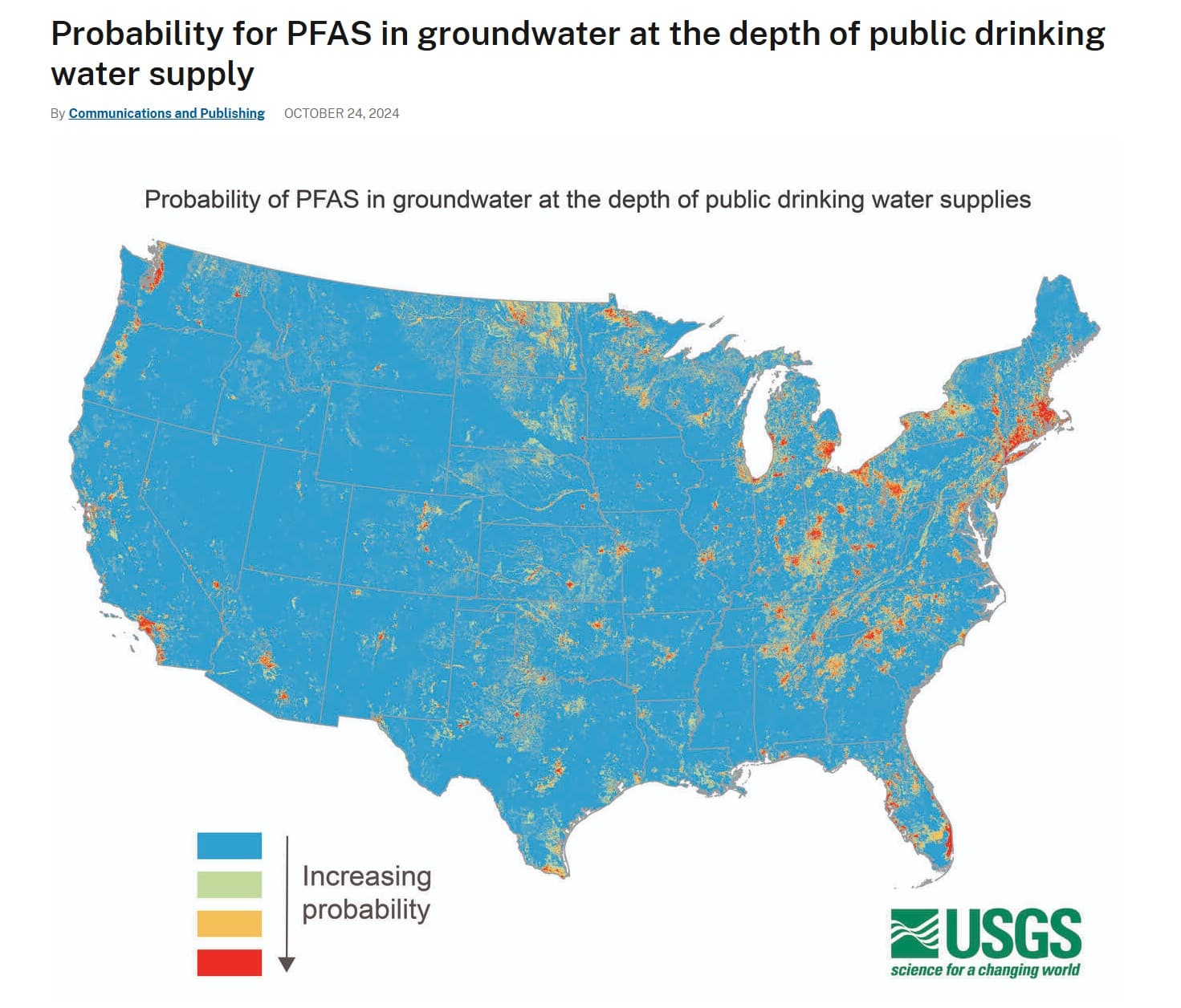
- Emerging contaminants of concern include PFAS (affecting up to 95 million Americans using groundwater), microplastics, pharmaceuticals, and short-chain PFAS compounds.
- Contaminant exposure during pregnancy can significantly impact fetal development, with recent studies linking well water contaminants to cognitive impairment, preterm birth, and developmental issues.
- Water quality can vary significantly between the well source and household taps due to plumbing materials, requiring testing at multiple points to identify contamination sources.
- Testing frequency should increase for shallow wells, older systems (especially those over 15 years old), wells near agricultural or industrial areas, and after environmental events like flooding.
- Proper sampling technique is critical for accurate results, including using the correct containers, flushing systems before collection, and maintaining appropriate preservation methods.
- Advanced monitoring technologies now include IoT-enabled sensors, smartphone integration, and cloud-based systems that provide real-time alerts and continuous water quality data.
- Well owners should establish a baseline assessment, develop a customized testing schedule, implement proper sampling techniques, interpret results against health standards, and maintain their well system to ensure water safety.
- Well Water Safety: What You Don't Know Can Hurt You
- The Takeaway
- Podcast
- The Regulatory Gap and Well Owner Responsibility
- Essential Well Water Tests for Homeowners
- Well Water Contaminants of Concern
- Health Risks Associated with Untested Well Water
- Proper Water Sampling Techniques
- Recommended Testing Schedule
- Testing at Multiple Points in a Home's Water System
- Latest Technological Advances in Water Testing
- Actionable Recommendations for Homeowners
- Sources
This comprehensive report examines the critical importance of regular well water quality testing for residential well owners in the United States and Canada as of May 2025. With approximately 43 million Americans (15% of the U.S. population) and one-third of Canadians relying on private wells as their primary drinking water source, the safety of this unregulated water supply is a significant public health concern. [3] SimpleLab Tap Score What Are Emerging Contaminants in Drinking Water? Contaminants of emerging concern have many different sources including: pharmaceuticals and personal care products (PPCPs), agricultural chemicals and more. blog [13] Reddit September 10, 2024 High toxin levels are illegal in public water. But not for Americans using private wells. High toxin levels are illegal in public water. But not for Americans using private wells. An estimated 43 million Americans get water from wells they own. social media [37] Science November 15, 2024 Predictions of groundwater PFAS occurrence at drinking water supply depths in the United States A machine learning model predicting PFAS contamination in US groundwater drinking supplies scientific journal
Unlike public water systems, which are regulated by government agencies and undergo mandatory testing, private well owners bear full responsibility for ensuring their water is safe to drink. Recent studies have found that approximately one in five private wells contains contaminants at levels exceeding human health benchmarks, potentially exposing millions of people to health risks ranging from gastrointestinal illness to developmental issues, cancer, and other serious conditions. [3] SimpleLab Tap Score What Are Emerging Contaminants in Drinking Water? Contaminants of emerging concern have many different sources including: pharmaceuticals and personal care products (PPCPs), agricultural chemicals and more. blog [13] Reddit September 10, 2024 High toxin levels are illegal in public water. But not for Americans using private wells. High toxin levels are illegal in public water. But not for Americans using private wells. An estimated 43 million Americans get water from wells they own. social media [14] Reddit r/drinkingwater February 7, 2024 Free Resources for Private Well Owners [Water Quality Guides] Tap Score have standardized tests designed to make it easy to test your well water in a certified laboratory, often near you. social media forum
This report provides well owners with comprehensive guidance on water testing approaches, contaminant identification, health risk assessment, proper sampling techniques, recommended testing schedules, and the latest technological advances in water quality monitoring. By implementing the recommendations outlined in this report, well owners can establish effective water quality monitoring programs to protect their families' health and ensure their drinking water remains safe.
The Regulatory Gap and Well Owner Responsibility
Private well water exists in a regulatory blind spot in both the United States and Canada, placing the entire burden of water quality monitoring on individual homeowners. This section examines the regulatory framework (or lack thereof) for private wells and explains why well owners must take proactive responsibility for their water safety.
Regulatory Framework for Private Wells
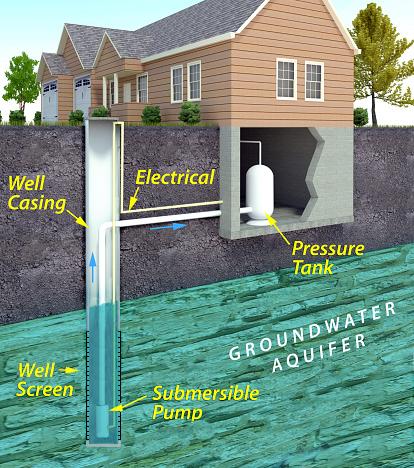
In the United States, private wells fall outside the protection of the Safe Drinking Water Act, which only governs public water systems. As the EPA states, "Private well owners are responsible for delivering safe drinking water to their households. The quality and safety of drinking water from private domestic wells are not regulated by the Federal Government under the Safe Drinking Water Act nor by most state governments and laws." [3] SimpleLab Tap Score What Are Emerging Contaminants in Drinking Water? Contaminants of emerging concern have many different sources including: pharmaceuticals and personal care products (PPCPs), agricultural chemicals and more. blog
This regulatory gap means that approximately 43 million Americans who rely on private wells for their drinking water must independently ensure their water meets safety standards. [13] Reddit September 10, 2024 High toxin levels are illegal in public water. But not for Americans using private wells. High toxin levels are illegal in public water. But not for Americans using private wells. An estimated 43 million Americans get water from wells they own. social media The situation is similar in Canada, where Health Canada notes, "As a private well owner, you're responsible for monitoring and maintaining your water quality. Testing your well water quality ensures that it doesn't contain microbial or chemical contaminants that can negatively affect your health." [2] The Conversation 2024 Millions of people across the US use well water, but very few test it often enough to make sure it's safe Although the Centers for Disease Control and Prevention recommends testing annually for nitrate, just 9% of these households had tested their water quality in the past year. Academic News and Analysis
This lack of oversight creates a significant public health vulnerability, as many well owners are unaware of potential contamination issues or proper testing protocols. According to a 2024 academic analysis, "Multiple studies show that, at best, half of private well owners are testing with any frequency, and very few households test once or more yearly, as public health officials recommend." [4] Clearly Filtered 2025 Top 10 Emerging Contaminants in 2025 10. Arsenic · 9. Manganese · 8. Microplastics · 7. Total Trihalomethanes (TTHMs) · 6. Haloacetic Acids (HAA5) · 5. Trichloroethylene (TCE) · 4. Chromium 6 · 3. blog
The Prevalence of Well Water Contamination
The scale of potential contamination in private wells is concerning. A United States Geological Survey (USGS) study of 2,100 private wells found that "water pumped from about one in five wells contained one or more contaminants at a concentration greater than a human-health benchmark for drinking water." [3] SimpleLab Tap Score What Are Emerging Contaminants in Drinking Water? Contaminants of emerging concern have many different sources including: pharmaceuticals and personal care products (PPCPs), agricultural chemicals and more. blog [13] Reddit September 10, 2024 High toxin levels are illegal in public water. But not for Americans using private wells. High toxin levels are illegal in public water. But not for Americans using private wells. An estimated 43 million Americans get water from wells they own. social media
This contamination often involves multiple substances simultaneously. As the USGS notes, "Contaminants found in domestic wells usually co-occurred with other contaminants as mixtures, rather than alone, which is a potential concern because the total toxicity of a mixture can be greater than that of any single contaminant." [13] Reddit September 10, 2024 High toxin levels are illegal in public water. But not for Americans using private wells. High toxin levels are illegal in public water. But not for Americans using private wells. An estimated 43 million Americans get water from wells they own. social media
The EPA still relies on this study from over a decade ago, highlighting the limited ongoing monitoring of private well water quality at a national level. [4] Clearly Filtered 2025 Top 10 Emerging Contaminants in 2025 10. Arsenic · 9. Manganese · 8. Microplastics · 7. Total Trihalomethanes (TTHMs) · 6. Haloacetic Acids (HAA5) · 5. Trichloroethylene (TCE) · 4. Chromium 6 · 3. blog Without regular testing, well owners cannot know if their water contains harmful substances, as "many contaminants won't affect the smell, taste or colour of your drinking water. Even if your water seems fine, you can't know for sure without testing." [2] The Conversation 2024 Millions of people across the US use well water, but very few test it often enough to make sure it's safe Although the Centers for Disease Control and Prevention recommends testing annually for nitrate, just 9% of these households had tested their water quality in the past year. Academic News and Analysis
Factors Contributing to Well Water Vulnerability
Several factors make private wells particularly vulnerable to contamination:
Well Construction and Age: Many wells in the United States are approaching or have exceeded their expected 20-year lifespan, potentially requiring decommissioning and replacement. [25] Aqvify 2025 Aqvify: Smart Level Monitoring for Wells & Tanks – via App Aqvify lets you monitor your well or water tank online via a smart app. Get real-time levels, usage history, and alerts – anytime, anywhere. technology product website
Shallow Depth: Domestic wells are often shallower than public supply wells, making them more susceptible to surface contamination. [13] Reddit September 10, 2024 High toxin levels are illegal in public water. But not for Americans using private wells. High toxin levels are illegal in public water. But not for Americans using private wells. An estimated 43 million Americans get water from wells they own. social media
Environmental Factors: Climate change is intensifying risks through increased heavy rainfall events, droughts, and changing groundwater dynamics. [8] Health Canada March 2025 Guidelines for Canadian Drinking Water Quality - Summary Tables The tables in this document summarize the values and key information from each of the guidelines. Health Canada updates the summary tables regularly. Government Health Resource [27] IntechOpen 05 February 2025 Emerging Trends in Real-Time Water Quality Monitoring and Sanitation Systems A comprehensive review of water quality monitoring technologies, sensor innovations, and environmental sustainability strategies academic journal
Proximity to Contamination Sources: Agricultural activities, septic systems, industrial sites, and other potential pollution sources can impact well water quality. [14] Reddit r/drinkingwater February 7, 2024 Free Resources for Private Well Owners [Water Quality Guides] Tap Score have standardized tests designed to make it easy to test your well water in a certified laboratory, often near you. social media forum [37] Science November 15, 2024 Predictions of groundwater PFAS occurrence at drinking water supply depths in the United States A machine learning model predicting PFAS contamination in US groundwater drinking supplies scientific journal
As the Minnesota Department of Health emphasizes, "Both natural sources and human activities can contaminate well water and cause short-term or long-term health effects. Testing your well water is the only way to detect most of the common contaminants in Minnesota groundwater; you cannot taste, see, or smell most contaminants." [34] United States Geological Survey (USGS) February 2025 Water Quality Data Home The Water Quality Portal (WQP) is the premiere source of discrete water-quality data in the United States and beyond. government data portal
Essential Well Water Tests for Homeowners
Well water testing options range from basic screening for common contaminants to comprehensive analysis for hundreds of potential substances. This section outlines the spectrum of testing approaches available to well owners in 2025, from essential annual tests to specialized screening for emerging contaminants, helping homeowners understand what to test for based on their specific circumstances.
Basic/Standard Water Quality Tests
Health authorities recommend that all well owners conduct basic water quality testing at least annually. According to the CDC's 2024 guidelines, at minimum, well owners should "test your well water at least once every year for total coliform bacteria, nitrates, total dissolved solids, and pH levels." [1] US Environmental Protection Agency (EPA) March 24, 2025 Private Drinking Water Wells Provides information on private drinking water wells, types of well, well construction. How to prevent health risks associated with private wells. government agency website
These basic parameters serve as indicators of water quality and potential contamination:
Total Coliform Bacteria: These organisms aren't typically harmful themselves but indicate possible pathways for disease-causing germs to enter your water system. As the CDC explains, "Coliform bacteria typically get into your water the same way as germs that do cause disease (for example, from a sewage leak), and are much easier to test for." [1] US Environmental Protection Agency (EPA) March 24, 2025 Private Drinking Water Wells Provides information on private drinking water wells, types of well, well construction. How to prevent health risks associated with private wells. government agency website
Nitrates: High nitrate levels pose serious health risks, particularly to infants. The EPA notes that "High levels of nitrate/nitrite in drinking water can cause methemoglobinemia or 'blue baby syndrome'. These substances reduce the blood's ability to carry oxygen. This acute condition can occur rapidly over a period of days. Symptoms include shortness of breath and blueness of the skin. Infants below six months who drink water with high levels of nitrate can become seriously ill and die." [14] Reddit r/drinkingwater February 7, 2024 Free Resources for Private Well Owners [Water Quality Guides] Tap Score have standardized tests designed to make it easy to test your well water in a certified laboratory, often near you. social media forum
pH: This measures how acidic or basic your water is, which affects how corrosive it might be to plumbing and whether contaminants might be more readily dissolved in it. [1] US Environmental Protection Agency (EPA) March 24, 2025 Private Drinking Water Wells Provides information on private drinking water wells, types of well, well construction. How to prevent health risks associated with private wells. government agency website
Total Dissolved Solids (TDS): This indicates the overall mineral content of water, which affects taste and can signal potential contamination issues. [1] US Environmental Protection Agency (EPA) March 24, 2025 Private Drinking Water Wells Provides information on private drinking water wells, types of well, well construction. How to prevent health risks associated with private wells. government agency website
Health Canada recommends even more frequent testing for microbial contamination, advising well owners to "test your well water at least once every 6 months for microbial contamination." [2] The Conversation 2024 Millions of people across the US use well water, but very few test it often enough to make sure it's safe Although the Centers for Disease Control and Prevention recommends testing annually for nitrate, just 9% of these households had tested their water quality in the past year. Academic News and Analysis
Comprehensive/Advanced Testing Options
Beyond basic testing, more comprehensive analysis can detect a wider range of potential contaminants. As of 2025, advanced testing packages typically include:
Metals and Minerals: Testing for lead, arsenic, chromium, uranium, fluoride, iron, manganese, and other elements that can have health impacts. [16] Reddit August 22, 2024 Household PFAS water testing kits Discussion about the reliability of at-home PFAS water testing methods social media
Volatile Organic Compounds (VOCs): These include industrial solvents, gasoline components, and other chemicals that can contaminate groundwater. [25] Aqvify 2025 Aqvify: Smart Level Monitoring for Wells & Tanks – via App Aqvify lets you monitor your well or water tank online via a smart app. Get real-time levels, usage history, and alerts – anytime, anywhere. technology product website
Pesticides and Herbicides: Agricultural chemicals that can leach into groundwater. [25] Aqvify 2025 Aqvify: Smart Level Monitoring for Wells & Tanks – via App Aqvify lets you monitor your well or water tank online via a smart app. Get real-time levels, usage history, and alerts – anytime, anywhere. technology product website
Radiological Parameters: Testing for radioactive elements like radium, uranium, and radon. [10] National Institute of Environmental Health Sciences March 28, 2025 Safe Water and Your Health NIEHS research examines potential health effects of contaminants in water and explores ways to protect the public from contact with unsafe water Government Research Organization
Modern testing services like TapScore offer tiered testing options to accommodate different needs and budgets. "TapScore doesn't just throw one test at you and call it a day. Instead, it offers three levels for every water source—Essential, Advanced, and Comprehensive—so you can test based on your specific needs." [19] C and J Water December 16, 2022 Professional vs. At-Home Water Testing: Which Is Right for You? Comparing at-home and professional water testing methods for residential water quality assessment blog
The cost of comprehensive water testing has become more accessible, ranging "from $200 for basic tests to over $2,000 for extremely detailed analyses" as of 2025. [19] C and J Water December 16, 2022 Professional vs. At-Home Water Testing: Which Is Right for You? Comparing at-home and professional water testing methods for residential water quality assessment blog
Specialized Tests for Specific Contaminants
Depending on your location, well characteristics, and nearby activities, specialized testing may be warranted for specific contaminants:
PFAS Testing: These "forever chemicals" have emerged as a major concern. According to a 2024 Science study, "71 million to 95 million people in the conterminous United States potentially rely on groundwater with detectable concentrations of PFAS for their drinking water supplies before any treatment." [39] Reddit January 6, 2024 UPDATE: Water is Water... Right? A discussion about water quality, bottled water, and home water testing social media
Microplastics and Nanoplastics: Recent research has found these particles in groundwater at concerning levels. The National Institute of Environmental Health Sciences reported in 2025 that "highly absorbable nanoplastics may be found in bottled water in much higher concentrations than previously suspected," highlighting growing concerns about their presence in all water sources. [12] US Environmental Protection Agency (EPA) December 23, 2024 Potential Well Water Contaminants and Their Impacts Comprehensive overview of potential contaminants in private well water and their health impacts Government Agency
Pharmaceuticals: Medications that enter groundwater through human waste. A 2024 report noted that "When you pee after taking Tylenol or heart medication, pharmaceuticals go down the toilet," contributing to water contamination. [7] Virginia Department of Health January 16, 2020 Guidance on testing your private well water Comprehensive guide to well water testing for private well owners Government Health Resource
Regional Contaminants: Some areas have specific contaminants of concern based on local geology or human activities. For example, arsenic is more common in certain geological formations, while agricultural areas may have higher nitrate levels. [9] Springer January 31, 2025 Effects of Early-life PFAS Exposure on Child Neurodevelopment: A Review of the Evidence and Research gaps Findings primarily link early life PFAS exposure to reduced cognitive, motor, and language development in infancy and increased behavioral issues like hyperactivity in childhood scientific journal [34] United States Geological Survey (USGS) February 2025 Water Quality Data Home The Water Quality Portal (WQP) is the premiere source of discrete water-quality data in the United States and beyond. government data portal
DIY Testing Kits Versus Professional Laboratory Testing
The research shows significant limitations with DIY water testing kits compared to professional laboratory analysis:
According to a March 2025 study published in the Journal of Water and Health, "Home water testing kits are currently unregulated and lack comprehensive performance data," and their performance "varies significantly depending on water matrix, contaminant, and testing conditions." [22] Olympian Water Testing January 12, 2025 Effective Techniques for Drinking Water Sampling Sample Preservation and Transportation. Samples require proper preservation to maintain stability. Preservatives may be added to inhibit ... blog
The study found that "most home test kits perform best in the DI water matrix with no interference," meaning they may not provide accurate results in real-world well water with multiple substances present. [22] Olympian Water Testing January 12, 2025 Effective Techniques for Drinking Water Sampling Sample Preservation and Transportation. Samples require proper preservation to maintain stability. Preservatives may be added to inhibit ... blog
Other research has found even more concerning accuracy rates, with some studies showing "the test kits accuracy 'ranged between 25 to 69%'" for popular well water test kits. [17] Drinking Water April 7, 2025 The Best Well Water Testing Kit of 2025 The most comprehensive test kit, TapScore, stood out for its exceptional accuracy. If you're looking for a DIY testing kit, Varify Premium may not be as reliable as TapScore, but it will still give you a good idea of what you're dealing with. blog
For PFAS testing specifically, professional water quality experts emphasize that "at-home PFAS test kits are not accurate" because "the level of accuracy these kits claim is simply not possible outside a controlled lab environment." [18] SimpleLab Tap Score May 2025 What's the Difference Between Lab Tests and Test Strips? Lab water testing kits are more expensive and require a several day wait for results. But those results are considerably more precise and have higher accuracy ... blog
"Many contaminants won't affect the smell, taste or colour of your drinking water. Even if your water seems fine, you can't know for sure without testing."
Professional laboratory testing offers several advantages:
Accuracy and Precision: Labs "use advanced equipment to detect a wide range of contaminants" and provide "detailed reports, helping you understand the exact state of your water." [21] Water Technology Online October 8, 2014 Best practices for collecting water samples This article will go over some basics when collecting samples, like bottle type, preservation techniques, holding times, sampling techniques, sampling points ... industry technical journal
Comprehensive Analysis: Laboratory testing can detect "thousands of specific contaminants" compared to the limited parameters measurable with test strips. [20] Journal of Water and Health March 2025 Evaluation of drinking water quality test kits for home use in the United States Research study examining the performance and reliability of home water testing kits academic journal
Expert Interpretation: Professional testing services "often include expert analysis, guiding you on the necessary steps to ensure your water is safe." [21] Water Technology Online October 8, 2014 Best practices for collecting water samples This article will go over some basics when collecting samples, like bottle type, preservation techniques, holding times, sampling techniques, sampling points ... industry technical journal
Regulatory Compliance: For certain purposes like home loans or legal requirements, "a do-it-yourself home test will not be enough." [20] Journal of Water and Health March 2025 Evaluation of drinking water quality test kits for home use in the United States Research study examining the performance and reliability of home water testing kits academic journal
While DIY test kits may serve as an initial screening tool, they should not be relied upon for definitive water quality assessment, especially for contaminants that pose serious health risks at low concentrations, such as lead, arsenic, and PFAS. [21] Water Technology Online October 8, 2014 Best practices for collecting water samples This article will go over some basics when collecting samples, like bottle type, preservation techniques, holding times, sampling techniques, sampling points ... industry technical journal
Digital and Smart Monitoring Solutions
As of 2025, technological advances have created new options for continuous water quality monitoring:
Real-Time Monitoring Systems: IoT-enabled devices can "continually monitor crucial water characteristics including pH, temperature, dissolved oxygen, turbidity and conductivity" and "send data to centralised systems, where it may be analysed to detect pollutants, forecast contamination occurrences and assure compliance with environmental regulations." [29] National Center for Biotechnology Information (NCBI) May 11, 2023 Prenatal Exposure to Legacy PFAS and Neurodevelopment in Preschool-Aged Canadian Children A study examining the relationship between prenatal PFAS exposure and neurodevelopmental outcomes in Canadian children scientific journal
Well Level Monitoring: Systems like Aqvify allow homeowners to monitor water levels remotely: "With Aqvify, you get up-to-date data on water level and recovery of your well" and "can set alarms to receive alerts at selected water levels, like a level monitor, and thus act quickly if something happens." [27] IntechOpen 05 February 2025 Emerging Trends in Real-Time Water Quality Monitoring and Sanitation Systems A comprehensive review of water quality monitoring technologies, sensor innovations, and environmental sustainability strategies academic journal
Multi-Parameter Water Quality Meters: Devices like "the YSI ProDSS is a multi-parameter water quality meter that provides extreme flexibility for measuring water temperature, conductivity, salinity, dissolved oxygen, pH, ORP, turbidity, algae and depth." [26] Taylor & Francis Online Smartphone solutions for water quality monitoring: a new frontier in ... This paper explores the potential of harnessing the power of smartphones to enhance water quality monitoring efforts. academic journal
Smartphone Integration: Many modern water monitoring systems now offer smartphone apps that provide real-time data and alerts, making continuous monitoring more accessible to average homeowners. [27] IntechOpen 05 February 2025 Emerging Trends in Real-Time Water Quality Monitoring and Sanitation Systems A comprehensive review of water quality monitoring technologies, sensor innovations, and environmental sustainability strategies academic journal [28] UNC Gillings School of Global Public Health November 10, 2023 UNC-led study links exposure to metals in NC well water to preterm birth risk A new study, recently published in the journal Environmental Health, found that in North Carolina, prenatal exposure to certain metals in private well water was linked with a significantly increased risk of preterm birth. Academic Research News
These technological solutions complement rather than replace laboratory testing, providing ongoing monitoring between more comprehensive analyses.
Well Water Contaminants of Concern
The spectrum of potential well water contaminants has expanded significantly in recent years, with emerging substances joining traditional concerns. This section catalogs both long-recognized contaminants and newly identified threats, explaining their sources, prevalence, and regional variations to help well owners understand what might be in their water.
Traditional Contaminants
Several well-established contaminants continue to pose significant risks to well water quality:
Bacteria and Microorganisms: Coliform bacteria, E. coli, and other pathogens can enter well water through surface runoff, failing septic systems, or animal waste. These can cause gastrointestinal illnesses and infections. [1] US Environmental Protection Agency (EPA) March 24, 2025 Private Drinking Water Wells Provides information on private drinking water wells, types of well, well construction. How to prevent health risks associated with private wells. government agency website [14] Reddit r/drinkingwater February 7, 2024 Free Resources for Private Well Owners [Water Quality Guides] Tap Score have standardized tests designed to make it easy to test your well water in a certified laboratory, often near you. social media forum
Nitrates and Nitrites: These compounds come from agricultural fertilizers, animal waste, septic systems, and natural decomposition. The CDC notes that "Nitrates in your well water can come from animal waste, septic systems, wastewater, flooded sewers, polluted storm water runoff, fertilizers, runoff from farms, and decaying plants." [1] US Environmental Protection Agency (EPA) March 24, 2025 Private Drinking Water Wells Provides information on private drinking water wells, types of well, well construction. How to prevent health risks associated with private wells. government agency website High nitrate levels are particularly dangerous for infants, causing "blue baby syndrome." [14] Reddit r/drinkingwater February 7, 2024 Free Resources for Private Well Owners [Water Quality Guides] Tap Score have standardized tests designed to make it easy to test your well water in a certified laboratory, often near you. social media forum
Heavy Metals: Contaminants like lead, arsenic, chromium, and mercury can enter well water through natural geological sources or human activities. According to the EPA, "Heavy metals can leach into drinking water from household plumbing and service lines, mining operations, petroleum refineries, electronics manufacturers, municipal waste disposal, cement plants, and natural mineral deposits." [14] Reddit r/drinkingwater February 7, 2024 Free Resources for Private Well Owners [Water Quality Guides] Tap Score have standardized tests designed to make it easy to test your well water in a certified laboratory, often near you. social media forum These metals can cause "acute and chronic toxicity, liver, kidney, and intestinal damage, anemia, and cancer." [14] Reddit r/drinkingwater February 7, 2024 Free Resources for Private Well Owners [Water Quality Guides] Tap Score have standardized tests designed to make it easy to test your well water in a certified laboratory, often near you. social media forum
Arsenic: This naturally occurring element is found in rock formations and can dissolve into groundwater. The Minnesota Department of Health warns that "Consuming water with even low levels of arsenic over a long time is associated with diabetes and increased risk of cancers of the bladder, lungs, liver, and other organs. Ingesting arsenic can also contribute to cardiovascular and respiratory disease; reduced intelligence in children; and skin problems such as lesions, discoloration, and the development of corns." [34] United States Geological Survey (USGS) February 2025 Water Quality Data Home The Water Quality Portal (WQP) is the premiere source of discrete water-quality data in the United States and beyond. government data portal
Radionuclides: Radioactive elements like uranium, radium, and radon can naturally occur in certain rock formations and contaminate groundwater. Health Canada notes that "The radiological effects of two or more radionuclides in the same drinking water source are considered to be additive. Thus, the sum of the ratios of the observed concentration to the MAC for each contributing radionuclide should not exceed 1." [10] National Institute of Environmental Health Sciences March 28, 2025 Safe Water and Your Health NIEHS research examines potential health effects of contaminants in water and explores ways to protect the public from contact with unsafe water Government Research Organization
Emerging Contaminants of Concern
Several newer contaminant categories have gained increased attention by 2025:
Per- and Polyfluoroalkyl Substances (PFAS): These "forever chemicals" have become a major focus of water quality concerns. According to the Environmental Working Group's March 2025 update, "The EPA's UCMR-5 testing revealed 2,719 sites with detectable PFAS levels, confirming 143 million people have PFAS in their drinking water." [38] Reddit March 14, 2022 The Dangers of inaccurate At-Home water and soil Test-Kits Discussion about the reliability of home water and soil testing kits social media A 2024 Science study estimated that "71 million to 95 million people in the conterminous United States potentially rely on groundwater with detectable concentrations of PFAS for their drinking water supplies before any treatment." [39] Reddit January 6, 2024 UPDATE: Water is Water... Right? A discussion about water quality, bottled water, and home water testing social media
PFAS are particularly concerning because they persist in the environment indefinitely and can cause health effects at extremely low concentrations. Health Canada has established an extremely low objective concentration of 0.00003 mg/L for these substances. [10] National Institute of Environmental Health Sciences March 28, 2025 Safe Water and Your Health NIEHS research examines potential health effects of contaminants in water and explores ways to protect the public from contact with unsafe water Government Research Organization
Microplastics and Nanoplastics: These tiny plastic particles are increasingly detected in water supplies. A 2025 report from the National Institute of Environmental Health Sciences found that "highly absorbable nanoplastics may be found in bottled water in much higher concentrations than previously suspected." [12] US Environmental Protection Agency (EPA) December 23, 2024 Potential Well Water Contaminants and Their Impacts Comprehensive overview of potential contaminants in private well water and their health impacts Government Agency These particles "can be ingested and absorbed into the body, potentially accumulating in organs and the brain, with links to reduced immunity and fertility." [12] US Environmental Protection Agency (EPA) December 23, 2024 Potential Well Water Contaminants and Their Impacts Comprehensive overview of potential contaminants in private well water and their health impacts Government Agency
Pharmaceuticals and Personal Care Products: Medications, cosmetics, and other consumer products can enter groundwater through wastewater. A 2024 report noted that "Between 30-90% of oral medications end up going down the toilet, potentially with unknown impacts on aquatic and human life." [7] Virginia Department of Health January 16, 2020 Guidance on testing your private well water Comprehensive guide to well water testing for private well owners Government Health Resource These compounds are particularly concerning because conventional water treatment methods aren't designed to remove them. [5] Great Lakes Now June 5, 2024 Drugs, microplastics and forever chemicals: New contaminants emerge in the Great Lakes Thousands of unmonitored emerging contaminants, including microplastics, pharmaceuticals and other chemicals, are entering the Great Lakes. News
Disinfection Byproducts: These form when disinfectants like chlorine react with organic matter in water. Health Canada advises that "Efforts to reduce bromate concentrations must not compromise the effectiveness of disinfection. Bromate is difficult to remove from drinking water once formed." [10] National Institute of Environmental Health Sciences March 28, 2025 Safe Water and Your Health NIEHS research examines potential health effects of contaminants in water and explores ways to protect the public from contact with unsafe water Government Research Organization
Regional Contaminants
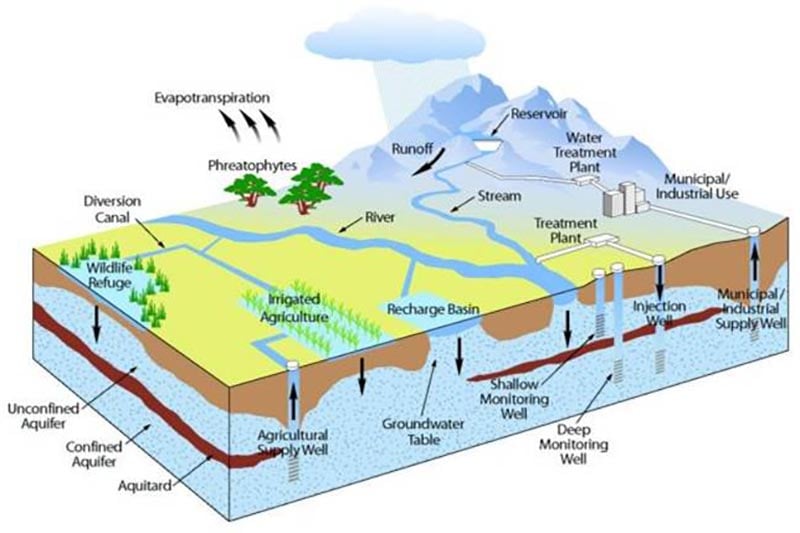
Contaminant profiles vary significantly by geographic region:
Agricultural Areas: These regions often have elevated nitrate, pesticide, and herbicide levels. Climate change is expected to worsen this issue, as "In regions including the Great Lakes basin, increases in heavy rainfall are projected to carry rising amounts of nutrients from farmlands into waterways and groundwater." [4] Clearly Filtered 2025 Top 10 Emerging Contaminants in 2025 10. Arsenic · 9. Manganese · 8. Microplastics · 7. Total Trihalomethanes (TTHMs) · 6. Haloacetic Acids (HAA5) · 5. Trichloroethylene (TCE) · 4. Chromium 6 · 3. blog
Industrial Zones: Areas with current or historical industrial activity may have specific chemical contaminants. As one resident noted, "In SoCal, we have toxic plumes in our aquifers everywhere there was rocket and defense development and testing." [15] Reddit March 14, 2022 The Dangers of inaccurate At-Home water and soil Test-Kits Discussion about the reliability of home water and soil testing kits social media
Mining Regions: These areas may have elevated levels of heavy metals and other mining-related contaminants. [15] Reddit March 14, 2022 The Dangers of inaccurate At-Home water and soil Test-Kits Discussion about the reliability of home water and soil testing kits social media
Coastal Areas: Saltwater intrusion can affect well water in coastal regions, particularly as climate change affects sea levels and groundwater dynamics. [27] IntechOpen 05 February 2025 Emerging Trends in Real-Time Water Quality Monitoring and Sanitation Systems A comprehensive review of water quality monitoring technologies, sensor innovations, and environmental sustainability strategies academic journal
Urban and Suburban Areas: These locations may have contaminants from road salt, lawn chemicals, and leaking underground storage tanks. A 2024 Science study found that "Urban land use and population density are the most significant predictors of PFAS occurrence in groundwater." [39] Reddit January 6, 2024 UPDATE: Water is Water... Right? A discussion about water quality, bottled water, and home water testing social media
Contaminants Gaining Increased Attention (2024-2025)
Several contaminants have received heightened attention in recent years:
Short-Chain PFAS: While much focus has been on legacy PFAS compounds like PFOA and PFOS, newer replacement compounds are emerging as concerns. A January 2025 study noted that "Replacement, short chain PFAS have received less study, often because they tend to have lower concentrations that do not meet the detection criteria to be included in the main analyses. However, several recent studies are finding evidence that these varieties may also be linked to neurodevelopmental problems and that they may cross the placenta with greater efficiency than legacy PFAS." [11] United States Geological Survey March 1, 2019 Domestic (Private) Supply Wells USGS research and information about water quality in private residential wells government research
1,4-Dioxane: This industrial solvent is designated as a "likely human carcinogen" and has been increasingly detected in groundwater. [5] Great Lakes Now June 5, 2024 Drugs, microplastics and forever chemicals: New contaminants emerge in the Great Lakes Thousands of unmonitored emerging contaminants, including microplastics, pharmaceuticals and other chemicals, are entering the Great Lakes. News
Manganese: Once considered primarily an aesthetic concern, manganese is now recognized for its potential neurological effects, particularly in children. [34] United States Geological Survey (USGS) February 2025 Water Quality Data Home The Water Quality Portal (WQP) is the premiere source of discrete water-quality data in the United States and beyond. government data portal
Microplastics and Nanoplastics: The detection capabilities for these particles have improved significantly, revealing their widespread presence in water supplies. [12] US Environmental Protection Agency (EPA) December 23, 2024 Potential Well Water Contaminants and Their Impacts Comprehensive overview of potential contaminants in private well water and their health impacts Government Agency
Cyanotoxins: These toxins produced by harmful algal blooms are increasing due to climate change and nutrient pollution. [8] Health Canada March 2025 Guidelines for Canadian Drinking Water Quality - Summary Tables The tables in this document summarize the values and key information from each of the guidelines. Health Canada updates the summary tables regularly. Government Health Resource
The EPA's 2022 Contaminant Candidate List (CCL5) included over 70 contaminants potentially posing health risks, but the regulatory process remains extremely slow, with most of these contaminants still unregulated as of 2025. [5] Great Lakes Now June 5, 2024 Drugs, microplastics and forever chemicals: New contaminants emerge in the Great Lakes Thousands of unmonitored emerging contaminants, including microplastics, pharmaceuticals and other chemicals, are entering the Great Lakes. News
Health Risks Associated with Untested Well Water
Untested well water can harbor contaminants that pose serious health risks ranging from immediate gastrointestinal illness to long-term chronic disease. This section examines the scientific evidence for how well water contaminants affect human health across the lifespan, with special attention to vulnerable populations like pregnant women and children.
Impacts on Fetal Development During Pregnancy
Research has increasingly demonstrated the vulnerability of developing fetuses to water contaminants:
PFAS Exposure: A January 2025 review in Springer found that "Multiple rigorous studies suggest that PFAS may reduce cognitive, motor, and language development in infancy and early childhood, worsen executive functioning in mid-childhood, and increase problem behaviors such as hyperactivity and inattention in mid-childhood and adolescence." [11] United States Geological Survey March 1, 2019 Domestic (Private) Supply Wells USGS research and information about water quality in private residential wells government research The study noted that "Pregnancy represents an especially vulnerable period of exposure for nervous system development. The developing brain undergoes rapid changes and critical processes, such as neural migration, proliferation, and synaptogenesis." [11] United States Geological Survey March 1, 2019 Domestic (Private) Supply Wells USGS research and information about water quality in private residential wells government research
Nitrate Exposure: A 2023 Nature study reported that "Animal studies have indicated that nitrate from the mother can cross the placenta, affect the fetus in utero, and increase adverse outcomes, such as abortion, birth defects, gastroschisis, microphthalmia, anophthalmia, and craniofacial hypoplasia." [32] Minnesota Department of Health 10/23/2024 Well Testing, Results, and Options - MN Dept. of Health Select the Customized Searches tab; for "Program" select Safe Drinking Water Program; then select the analyte (contaminant) to be tested. government health resource The study found that "Three cohort studies showed nitrate in drinking water is associated with an increased risk of preterm birth." [32] Minnesota Department of Health 10/23/2024 Well Testing, Results, and Options - MN Dept. of Health Select the Customized Searches tab; for "Program" select Safe Drinking Water Program; then select the analyte (contaminant) to be tested. government health resource
Arsenic Exposure: A 2022 NCBI study noted that "Arsenic readily crosses the placental barrier from the maternal to the fetal circulatory system, and accumulating evidence suggests chronic exposures might reduce fetal growth and shorten the duration of gestation." [33] Connecticut Department of Public Health September 2022 Private Well Testing - CT.gov The following information is meant to assist owners of private wells or semipublic wells to decide what to test for and how often. government resource
Metal Mixtures: A 2023 UNC study found that "exposure to lead and cadmium in well water increased preterm birth odds by 10-11%" and that "Metal mixture exposure (cadmium, lead, chromium) resulted in a 2% increase in preterm birth odds." [30] Nature January 11, 2023 Nitrate contamination in drinking water and adverse reproductive and birth outcomes: a systematic review and meta-analysis Systematic review examining the potential health risks of nitrate exposure in drinking water scientific journal The study also found concerning racial disparities, with "American Indian individuals showed the highest risk, with 19% higher preterm birth odds from metal mixture exposure." [30] Nature January 11, 2023 Nitrate contamination in drinking water and adverse reproductive and birth outcomes: a systematic review and meta-analysis Systematic review examining the potential health risks of nitrate exposure in drinking water scientific journal
The proposed mechanisms for these effects include oxidative stress, inflammation, placental abnormalities, and interference with critical developmental processes. [11] United States Geological Survey March 1, 2019 Domestic (Private) Supply Wells USGS research and information about water quality in private residential wells government research [32] Minnesota Department of Health 10/23/2024 Well Testing, Results, and Options - MN Dept. of Health Select the Customized Searches tab; for "Program" select Safe Drinking Water Program; then select the analyte (contaminant) to be tested. government health resource [33] Connecticut Department of Public Health September 2022 Private Well Testing - CT.gov The following information is meant to assist owners of private wells or semipublic wells to decide what to test for and how often. government resource
Effects on Childhood Development and Long-Term Health Outcomes
"Small shifts in population-level neurodevelopmental functioning can have significant impacts on the distribution of cognitive and behavioral outcomes."
Children are particularly vulnerable to water contaminants due to their developing bodies and proportionally higher water consumption:
Lead Exposure: According to a 2025 report, "Children are especially vulnerable to the risks of lead exposure; their still-developing nervous system and their bodies are able to absorb metals at a higher rate, leading to harmful and permanent damage." [6] Nature September 22, 2023 US drinking water quality: exposure risk profiles for seven legacy and emerging contaminants A comprehensive review of exposure risk profiles and health effects for seven legacy and emerging drinking water contaminants in the United States scientific journal Lead exposure in childhood is associated with reduced IQ, learning disabilities, and behavioral problems. [19] C and J Water December 16, 2022 Professional vs. At-Home Water Testing: Which Is Right for You? Comparing at-home and professional water testing methods for residential water quality assessment blog
Nitrate Exposure: Beyond the acute risk of "blue baby syndrome," studies have found that "for people of all ages, drinking water with low nitrate concentrations over long periods of time is strongly associated with chronic health diseases, including colorectal cancer and thyroid disease, as well as neural tube defects in developing fetuses." [4] Clearly Filtered 2025 Top 10 Emerging Contaminants in 2025 10. Arsenic · 9. Manganese · 8. Microplastics · 7. Total Trihalomethanes (TTHMs) · 6. Haloacetic Acids (HAA5) · 5. Trichloroethylene (TCE) · 4. Chromium 6 · 3. blog
PFAS Exposure: The 2025 Springer review found that PFAS exposure may have sex-specific neurological impacts, with "assessments using gold standard instruments such as the WPPSI and WISC did not show consistent patterns, though some studies highlighted potential sex differences and complex mixture associations with cognitive outcomes." [11] United States Geological Survey March 1, 2019 Domestic (Private) Supply Wells USGS research and information about water quality in private residential wells government research The study noted that "Small shifts in population-level neurodevelopmental functioning can have significant impacts on the distribution of cognitive and behavioral outcomes." [11] United States Geological Survey March 1, 2019 Domestic (Private) Supply Wells USGS research and information about water quality in private residential wells government research
Arsenic Exposure: The Minnesota Department of Health warns that arsenic exposure can lead to "reduced intelligence in children" among other health effects. [34] United States Geological Survey (USGS) February 2025 Water Quality Data Home The Water Quality Portal (WQP) is the premiere source of discrete water-quality data in the United States and beyond. government data portal
These childhood exposures can have lifelong consequences, as developmental impacts during critical windows cannot be fully reversed later in life. [11] United States Geological Survey March 1, 2019 Domestic (Private) Supply Wells USGS research and information about water quality in private residential wells government research
Cancer Risks and Correlations with Specific Contaminants
Several well water contaminants have been linked to increased cancer risks:
Arsenic: The National Institute of Environmental Health Sciences identifies arsenic as "A known human carcinogen associated with skin, lung, bladder, kidney, and liver cancer." [12] US Environmental Protection Agency (EPA) December 23, 2024 Potential Well Water Contaminants and Their Impacts Comprehensive overview of potential contaminants in private well water and their health impacts Government Agency The Minnesota Department of Health confirms that "Consuming water with even low levels of arsenic over a long time is associated with diabetes and increased risk of cancers of the bladder, lungs, liver, and other organs." [34] United States Geological Survey (USGS) February 2025 Water Quality Data Home The Water Quality Portal (WQP) is the premiere source of discrete water-quality data in the United States and beyond. government data portal
Nitrates: Long-term exposure to nitrates has been "strongly associated with chronic health diseases, including colorectal cancer." [4] Clearly Filtered 2025 Top 10 Emerging Contaminants in 2025 10. Arsenic · 9. Manganese · 8. Microplastics · 7. Total Trihalomethanes (TTHMs) · 6. Haloacetic Acids (HAA5) · 5. Trichloroethylene (TCE) · 4. Chromium 6 · 3. blog
Radionuclides: Radioactive elements in drinking water can increase cancer risks, particularly for radon, which is linked to lung cancer when released from water into indoor air. [10] National Institute of Environmental Health Sciences March 28, 2025 Safe Water and Your Health NIEHS research examines potential health effects of contaminants in water and explores ways to protect the public from contact with unsafe water Government Research Organization
Disinfection Byproducts: Compounds like trihalomethanes and haloacetic acids that form when disinfectants react with organic matter have been associated with bladder and colorectal cancers. [6] Nature September 22, 2023 US drinking water quality: exposure risk profiles for seven legacy and emerging contaminants A comprehensive review of exposure risk profiles and health effects for seven legacy and emerging drinking water contaminants in the United States scientific journal
PFAS: These compounds have been linked to kidney and testicular cancers, among other health effects. [38] Reddit March 14, 2022 The Dangers of inaccurate At-Home water and soil Test-Kits Discussion about the reliability of home water and soil testing kits social media
The cancer risks from these contaminants typically develop over long periods of exposure, making regular testing crucial for prevention. [2] The Conversation 2024 Millions of people across the US use well water, but very few test it often enough to make sure it's safe Although the Centers for Disease Control and Prevention recommends testing annually for nitrate, just 9% of these households had tested their water quality in the past year. Academic News and Analysis
Neurological, Reproductive, and Other Systemic Health Impacts
Well water contaminants can affect multiple body systems:
Neurological Effects: Lead, manganese, and arsenic have been linked to neurological impacts. The National Institute of Environmental Health Sciences notes that lead is "Linked to behavioral and developmental effects in children, and cardiovascular and kidney problems." [12] US Environmental Protection Agency (EPA) December 23, 2024 Potential Well Water Contaminants and Their Impacts Comprehensive overview of potential contaminants in private well water and their health impacts Government Agency
Reproductive System: Some contaminants can affect fertility and reproductive health. The NIEHS notes that hydraulic fracturing chemicals have "been linked to damage to the immune and reproductive systems." [12] US Environmental Protection Agency (EPA) December 23, 2024 Potential Well Water Contaminants and Their Impacts Comprehensive overview of potential contaminants in private well water and their health impacts Government Agency
Endocrine Disruption: PFAS and certain pesticides can interfere with hormone function. The 2025 Springer review noted that "In both epidemiological and experimental studies, PFAS have been found to be associated with wide-ranging adverse health effects, including immune and thyroid dysfunction, liver disease, lipid dysregulation, kidney disease, and adverse reproductive and developmental outcomes." [11] United States Geological Survey March 1, 2019 Domestic (Private) Supply Wells USGS research and information about water quality in private residential wells government research
Cardiovascular System: Arsenic and lead have been linked to increased risks of heart disease and hypertension. [34] United States Geological Survey (USGS) February 2025 Water Quality Data Home The Water Quality Portal (WQP) is the premiere source of discrete water-quality data in the United States and beyond. government data portal [12] US Environmental Protection Agency (EPA) December 23, 2024 Potential Well Water Contaminants and Their Impacts Comprehensive overview of potential contaminants in private well water and their health impacts Government Agency
Immune Function: PFAS and other contaminants can suppress immune function, potentially reducing vaccine effectiveness and increasing susceptibility to infections. [11] United States Geological Survey March 1, 2019 Domestic (Private) Supply Wells USGS research and information about water quality in private residential wells government research
These systemic effects highlight the importance of comprehensive water testing that looks beyond acute contaminants to include substances with long-term health implications.
Recent Case Studies and Research Findings (2023-2025)
Several recent studies have provided new insights into well water contamination health risks:
North Carolina Preterm Birth Study (2023): This large-scale study analyzed "over 1.3 million birth certificates and 117,960 well water tests from 1998-2019" and found significant associations between metal exposure in well water and preterm birth risks. [30] Nature January 11, 2023 Nitrate contamination in drinking water and adverse reproductive and birth outcomes: a systematic review and meta-analysis Systematic review examining the potential health risks of nitrate exposure in drinking water scientific journal
PFAS Neurodevelopmental Review (2025): This comprehensive review found that "Most studies suggest PFAS exposure may reduce cognitive, motor, and language development in infancy and early childhood, with potential increases in behavioral problems like hyperactivity." [11] United States Geological Survey March 1, 2019 Domestic (Private) Supply Wells USGS research and information about water quality in private residential wells government research
Nitrate and Reproductive Outcomes Meta-Analysis (2023): This systematic review found that "Exposure to low levels of nitrate in drinking water may have adverse reproductive effects" and that "Three cohort studies showed nitrate in drinking water is associated with an increased risk of preterm birth." [32] Minnesota Department of Health 10/23/2024 Well Testing, Results, and Options - MN Dept. of Health Select the Customized Searches tab; for "Program" select Safe Drinking Water Program; then select the analyte (contaminant) to be tested. government health resource
PFAS Groundwater Prediction Model (2024): This study developed models to predict PFAS contamination in groundwater and estimated that "71 million to 95 million people in the conterminous United States potentially rely on groundwater with detectable concentrations of PFAS for their drinking water supplies before any treatment." [39] Reddit January 6, 2024 UPDATE: Water is Water... Right? A discussion about water quality, bottled water, and home water testing social media
Arsenic and Birth Outcomes Study (2022): This research leveraging "data from over 3 million births across the conterminous U.S." found "weak inverse associations between arsenic exposure and term birth weight, particularly among male infants." [33] Connecticut Department of Public Health September 2022 Private Well Testing - CT.gov The following information is meant to assist owners of private wells or semipublic wells to decide what to test for and how often. government resource
These recent findings underscore the ongoing and evolving understanding of how well water contaminants affect human health, particularly for vulnerable populations.
Proper Water Sampling Techniques
Accurate water testing results depend on proper sampling techniques. This section provides detailed guidance on collecting valid water samples, avoiding common errors, and maintaining sample integrity throughout the testing process.
Step-by-Step Instructions for Collecting Valid Samples
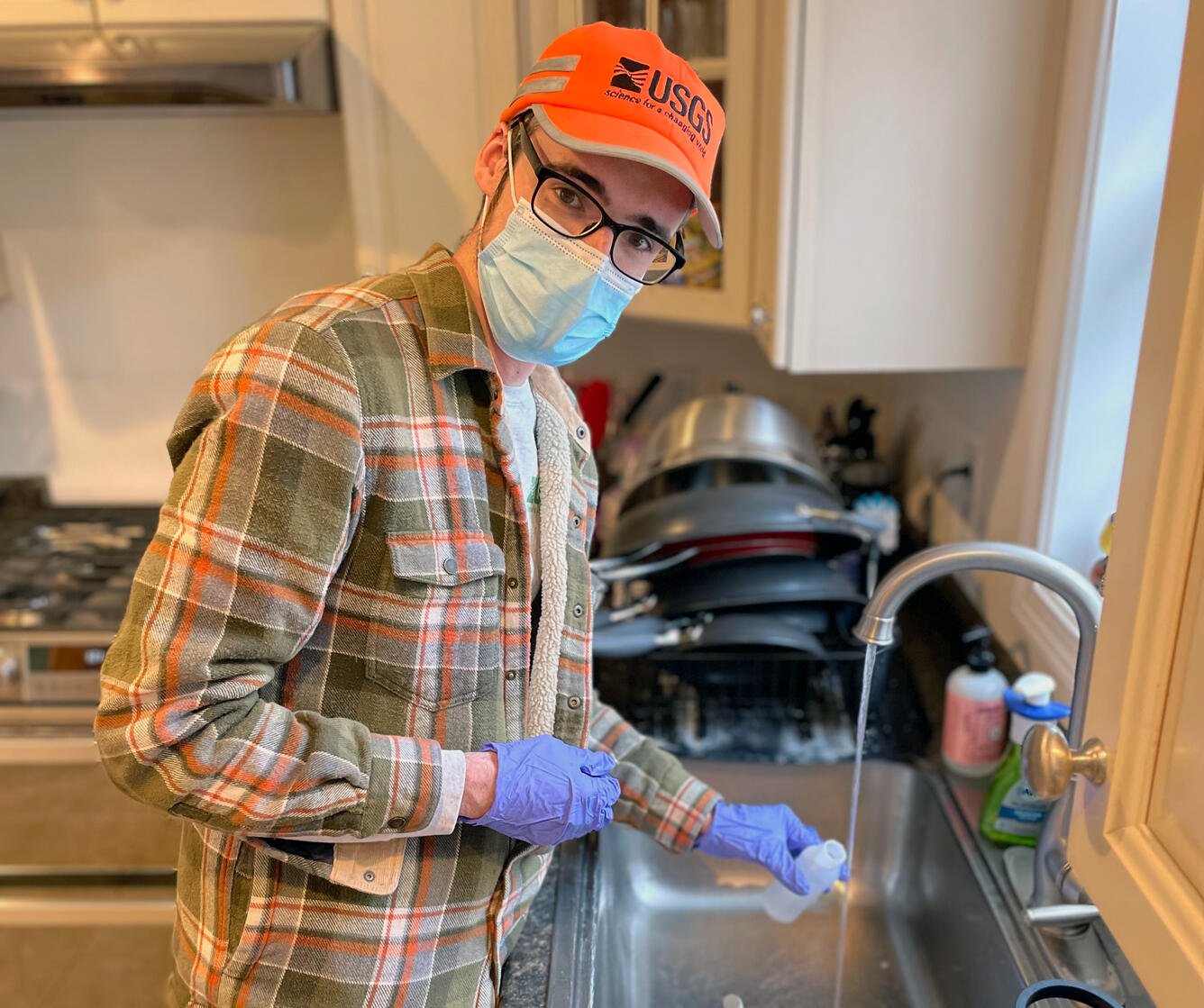
Proper sampling technique is critical for accurate water testing results. The following steps, based on current best practices, should be followed:
Preparation: Before collecting samples, gather all necessary materials. As Water Technology Online advises, "Before collecting samples, make sure you have all the proper bottles, field equipment and preservatives, such as ice. There is nothing worse than being unprepared in the field, so plan ahead as much as possible." [23] California State Water Resources Control Board September 15, 2023 GAMA - Domestic Well Testing Comprehensive guide for domestic well water quality testing and maintenance Government Resource
Select the Right Collection Point: For most tests, collect water from a faucet that you regularly use for drinking and cooking. [34] United States Geological Survey (USGS) February 2025 Water Quality Data Home The Water Quality Portal (WQP) is the premiere source of discrete water-quality data in the United States and beyond. government data portal For source testing, collect directly from the well before any treatment systems.
Remove Aerators and Attachments: Remove any aerators, screens, or hose attachments from the faucet to prevent interference with the sample. [23] California State Water Resources Control Board September 15, 2023 GAMA - Domestic Well Testing Comprehensive guide for domestic well water quality testing and maintenance Government Resource
Clean Hands: Wash your hands thoroughly or wear clean gloves to prevent contaminating the sample. For bacteria testing, "consider wearing gloves to minimize potential contamination." [23] California State Water Resources Control Board September 15, 2023 GAMA - Domestic Well Testing Comprehensive guide for domestic well water quality testing and maintenance Government Resource
Flush the System: Let the water run for several minutes before collecting the sample. As Water Technology Online explains, "When collecting samples, you will need a representative sample and, while sampling well water, you should run the water for several minutes so that you are getting water directly from the well and not from a source that has been sitting in a storage tank or pipes." [23] California State Water Resources Control Board September 15, 2023 GAMA - Domestic Well Testing Comprehensive guide for domestic well water quality testing and maintenance Government Resource
Control Flow Rate: Adjust the water flow to a steady stream, not too fast or too slow, to prevent splashing and aeration. [23] California State Water Resources Control Board September 15, 2023 GAMA - Domestic Well Testing Comprehensive guide for domestic well water quality testing and maintenance Government Resource
Fill the Container Properly: For most chemical tests, fill the container completely to eliminate air bubbles. For microbiological tests, leave a small air space at the top. [23] California State Water Resources Control Board September 15, 2023 GAMA - Domestic Well Testing Comprehensive guide for domestic well water quality testing and maintenance Government Resource
Avoid Contamination: Do not touch the inside of the container or cap, and do not set the cap down during sampling. [23] California State Water Resources Control Board September 15, 2023 GAMA - Domestic Well Testing Comprehensive guide for domestic well water quality testing and maintenance Government Resource
Preserve the Sample: Follow specific preservation instructions for each test type. "The most common type of preservation is temperature; most analysis requires samples to be kept cool, arriving at the lab between four and six degrees Celsius. The cooler temperature helps contaminants from breaking down during transit." [23] California State Water Resources Control Board September 15, 2023 GAMA - Domestic Well Testing Comprehensive guide for domestic well water quality testing and maintenance Government Resource
Label Samples: Clearly label each container with the date, time, location, and any required identification information. [23] California State Water Resources Control Board September 15, 2023 GAMA - Domestic Well Testing Comprehensive guide for domestic well water quality testing and maintenance Government Resource
Complete Documentation: Fill out all required forms completely, including chain of custody documentation if required. [23] California State Water Resources Control Board September 15, 2023 GAMA - Domestic Well Testing Comprehensive guide for domestic well water quality testing and maintenance Government Resource
Transport Promptly: Deliver samples to the laboratory within the recommended holding time for each test parameter. [23] California State Water Resources Control Board September 15, 2023 GAMA - Domestic Well Testing Comprehensive guide for domestic well water quality testing and maintenance Government Resource
Common Sampling Errors to Avoid
Several common mistakes can compromise water test results:
Using Incorrect Containers: Different tests require specific container types. "The methods that will be flowed will determine the type of bottles used. For example, samples for metals' analyses are usually collected in plastic bottles, while analyses for volatile organics and pesticides are collected in glass containers." [23] California State Water Resources Control Board September 15, 2023 GAMA - Domestic Well Testing Comprehensive guide for domestic well water quality testing and maintenance Government Resource
Insufficient Flushing: Not running the water long enough before sampling can result in testing stagnant water from pipes rather than fresh well water. [23] California State Water Resources Control Board September 15, 2023 GAMA - Domestic Well Testing Comprehensive guide for domestic well water quality testing and maintenance Government Resource
Contaminating the Sample: Touching the inside of containers or caps, setting caps down on surfaces, or allowing foreign material to enter the sample can invalidate results. [23] California State Water Resources Control Board September 15, 2023 GAMA - Domestic Well Testing Comprehensive guide for domestic well water quality testing and maintenance Government Resource
Improper Preservation: Failing to properly preserve samples, particularly temperature control, can lead to inaccurate results. "Samples require proper preservation to maintain stability. Preservatives may be added to inhibit changes. Temperature control during transportation is essential. Use coolers with ice packs to maintain low temperatures." [24] Fondriest Environmental October 21, 2024 2025 Essential Water Monitoring Gear Overview of top water monitoring products and technologies for environmental data collection in 2025 environmental technology blog
Exceeding Holding Times: Samples analyzed after recommended holding times may yield inaccurate results due to degradation or transformation of contaminants. [23] California State Water Resources Control Board September 15, 2023 GAMA - Domestic Well Testing Comprehensive guide for domestic well water quality testing and maintenance Government Resource
Collecting in the Wrong Order: When collecting multiple samples, the order matters. Generally, collect volatile organic compounds first, followed by other organic compounds, inorganics, and finally microbiological samples. [23] California State Water Resources Control Board September 15, 2023 GAMA - Domestic Well Testing Comprehensive guide for domestic well water quality testing and maintenance Government Resource
Sampling After Treatment Systems: If you want to test your source water, collect samples before any treatment systems or filters. [34] United States Geological Survey (USGS) February 2025 Water Quality Data Home The Water Quality Portal (WQP) is the premiere source of discrete water-quality data in the United States and beyond. government data portal
Ignoring Seasonal Variations: "Seasonal sampling is vital for a comprehensive water profile. This ensures data accuracy throughout the year. Strategic sampling practices include adjusting frequency and timing to capture seasonal shifts, considering seasonal human and industrial activities near water sources." [24] Fondriest Environmental October 21, 2024 2025 Essential Water Monitoring Gear Overview of top water monitoring products and technologies for environmental data collection in 2025 environmental technology blog
Equipment and Containers Needed
Proper sampling requires specific equipment:
Sample Containers: Use only containers provided by or approved by the testing laboratory. These are typically sterile and may contain preservatives specific to the test being performed. [23] California State Water Resources Control Board September 15, 2023 GAMA - Domestic Well Testing Comprehensive guide for domestic well water quality testing and maintenance Government Resource
Cooler with Ice Packs: For preserving samples at the required temperature during transport. [23] California State Water Resources Control Board September 15, 2023 GAMA - Domestic Well Testing Comprehensive guide for domestic well water quality testing and maintenance Government Resource
Gloves: Clean, disposable gloves help prevent sample contamination, particularly for microbiological testing. [23] California State Water Resources Control Board September 15, 2023 GAMA - Domestic Well Testing Comprehensive guide for domestic well water quality testing and maintenance Government Resource
Labels and Permanent Marker: For clearly identifying each sample. [23] California State Water Resources Control Board September 15, 2023 GAMA - Domestic Well Testing Comprehensive guide for domestic well water quality testing and maintenance Government Resource
Chain of Custody Forms: Documentation required by the laboratory to track sample handling. [23] California State Water Resources Control Board September 15, 2023 GAMA - Domestic Well Testing Comprehensive guide for domestic well water quality testing and maintenance Government Resource
Field Measurement Equipment: For in-situ testing of parameters like temperature, pH, and conductivity, if applicable. [24] Fondriest Environmental October 21, 2024 2025 Essential Water Monitoring Gear Overview of top water monitoring products and technologies for environmental data collection in 2025 environmental technology blog
Sample Collection Devices: If direct collection from the faucet isn't possible, sterile collection devices may be needed. [23] California State Water Resources Control Board September 15, 2023 GAMA - Domestic Well Testing Comprehensive guide for domestic well water quality testing and maintenance Government Resource
As of 2025, some advanced water monitoring equipment includes "integrated solutions with features like cellular/satellite connectivity, long-battery life, and automatic sensor recognition" for continuous monitoring applications. [26] Taylor & Francis Online Smartphone solutions for water quality monitoring: a new frontier in ... This paper explores the potential of harnessing the power of smartphones to enhance water quality monitoring efforts. academic journal
Preservation Methods and Timing Considerations
Different water quality parameters require specific preservation methods:
Temperature Control: Most samples need to be kept cool (4-6°C) during transport to prevent degradation. [23] California State Water Resources Control Board September 15, 2023 GAMA - Domestic Well Testing Comprehensive guide for domestic well water quality testing and maintenance Government Resource
"Samples require proper preservation to maintain stability. Temperature control during transportation is essential."
Chemical Preservatives: Some tests require specific preservatives added to the sample container, which may be pre-added by the laboratory. [23] California State Water Resources Control Board September 15, 2023 GAMA - Domestic Well Testing Comprehensive guide for domestic well water quality testing and maintenance Government Resource
Holding Times: Each parameter has a maximum allowable time between collection and analysis:
- Bacteria samples typically have the shortest holding times, often 24 hours or less. [23] California State Water Resources Control Board September 15, 2023 GAMA - Domestic Well Testing Comprehensive guide for domestic well water quality testing and maintenance Government Resource
- Chemical parameters vary widely, from 24 hours to 14 days or more. [23] California State Water Resources Control Board September 15, 2023 GAMA - Domestic Well Testing Comprehensive guide for domestic well water quality testing and maintenance Government Resource
- Samples for metals analysis may be stable for longer periods when properly preserved. [23] California State Water Resources Control Board September 15, 2023 GAMA - Domestic Well Testing Comprehensive guide for domestic well water quality testing and maintenance Government Resource
Light Protection: Some parameters are light-sensitive and require amber glass containers or protection from light during transport. [23] California State Water Resources Control Board September 15, 2023 GAMA - Domestic Well Testing Comprehensive guide for domestic well water quality testing and maintenance Government Resource
Headspace Management: VOC samples should have zero headspace (no air bubbles), while microbiological samples need some air space. [23] California State Water Resources Control Board September 15, 2023 GAMA - Domestic Well Testing Comprehensive guide for domestic well water quality testing and maintenance Government Resource
As Olympian Water Testing advises, "Samples require proper preservation to maintain stability. Preservatives may be added to inhibit changes. Temperature control during transportation is essential. Use coolers with ice packs to maintain low temperatures." [24] Fondriest Environmental October 21, 2024 2025 Essential Water Monitoring Gear Overview of top water monitoring products and technologies for environmental data collection in 2025 environmental technology blog
Chain of Custody Requirements for Laboratory Testing
Chain of custody documentation ensures sample integrity and traceability:
Purpose: Chain of custody forms create a paper trail documenting who handled the sample from collection through analysis, ensuring legal defensibility of results. [24] Fondriest Environmental October 21, 2024 2025 Essential Water Monitoring Gear Overview of top water monitoring products and technologies for environmental data collection in 2025 environmental technology blog
Required Information: Typically includes:
- Sample identification information
- Collection date and time
- Sampler's name and signature
- Requested analyses
- Preservation methods used
- Signatures of all persons handling the sample
- Dates and times of sample transfers [23] California State Water Resources Control Board September 15, 2023 GAMA - Domestic Well Testing Comprehensive guide for domestic well water quality testing and maintenance Government Resource
Laboratory Requirements: Professional laboratories require completed chain of custody forms with all samples. [23] California State Water Resources Control Board September 15, 2023 GAMA - Domestic Well Testing Comprehensive guide for domestic well water quality testing and maintenance Government Resource
Legal Considerations: For samples collected for regulatory compliance or legal purposes, strict chain of custody procedures must be followed. [20] Journal of Water and Health March 2025 Evaluation of drinking water quality test kits for home use in the United States Research study examining the performance and reliability of home water testing kits academic journal
As of 2025, some laboratories have implemented digital chain of custody systems that use barcodes, smartphone apps, or other technologies to streamline the documentation process while maintaining sample integrity and traceability. [24] Fondriest Environmental October 21, 2024 2025 Essential Water Monitoring Gear Overview of top water monitoring products and technologies for environmental data collection in 2025 environmental technology blog
Recommended Testing Schedule
Establishing an appropriate testing schedule is essential for maintaining well water safety. This section provides guidance on how often to test based on well characteristics, environmental factors, and risk assessment, helping homeowners develop a customized monitoring plan.
Type of Well Considerations
Different well types have varying vulnerability to contamination, affecting recommended testing frequencies:
Dug Wells: These shallow wells (typically less than 50 feet deep) are more susceptible to surface contamination and should be tested more frequently, at least twice yearly for bacteria and annually for a comprehensive panel. [2] The Conversation 2024 Millions of people across the US use well water, but very few test it often enough to make sure it's safe Although the Centers for Disease Control and Prevention recommends testing annually for nitrate, just 9% of these households had tested their water quality in the past year. Academic News and Analysis [9] Springer January 31, 2025 Effects of Early-life PFAS Exposure on Child Neurodevelopment: A Review of the Evidence and Research gaps Findings primarily link early life PFAS exposure to reduced cognitive, motor, and language development in infancy and increased behavioral issues like hyperactivity in childhood scientific journal
Drilled Wells: These deeper wells (often 100-400 feet) generally have better natural protection from surface contamination but should still be tested at least annually for basic parameters. [1] US Environmental Protection Agency (EPA) March 24, 2025 Private Drinking Water Wells Provides information on private drinking water wells, types of well, well construction. How to prevent health risks associated with private wells. government agency website [9] Springer January 31, 2025 Effects of Early-life PFAS Exposure on Child Neurodevelopment: A Review of the Evidence and Research gaps Findings primarily link early life PFAS exposure to reduced cognitive, motor, and language development in infancy and increased behavioral issues like hyperactivity in childhood scientific journal
Driven Point Wells (Sand Points): These shallow wells are highly vulnerable to surface contamination and should be tested at least twice yearly for bacteria and annually for a comprehensive panel. [9] Springer January 31, 2025 Effects of Early-life PFAS Exposure on Child Neurodevelopment: A Review of the Evidence and Research gaps Findings primarily link early life PFAS exposure to reduced cognitive, motor, and language development in infancy and increased behavioral issues like hyperactivity in childhood scientific journal
Artesian Wells: While naturally flowing artesian wells may have some protection from surface contamination due to positive pressure, they should still be tested at least annually. [9] Springer January 31, 2025 Effects of Early-life PFAS Exposure on Child Neurodevelopment: A Review of the Evidence and Research gaps Findings primarily link early life PFAS exposure to reduced cognitive, motor, and language development in infancy and increased behavioral issues like hyperactivity in childhood scientific journal
As Health Canada notes, "The quality of the groundwater is directly influenced by its surrounding environment. The water quality can change depending on factors such as weather and land use. This is especially true for drinking water wells where surface waters can quickly reach the groundwater without being properly filtered by the particles in the ground." [2] The Conversation 2024 Millions of people across the US use well water, but very few test it often enough to make sure it's safe Although the Centers for Disease Control and Prevention recommends testing annually for nitrate, just 9% of these households had tested their water quality in the past year. Academic News and Analysis
Age of Well System
Well age significantly impacts testing recommendations:
New Wells: Test comprehensively after construction and again within 3-6 months to establish baseline water quality. [34] United States Geological Survey (USGS) February 2025 Water Quality Data Home The Water Quality Portal (WQP) is the premiere source of discrete water-quality data in the United States and beyond. government data portal
Wells 5-15 Years Old: Annual testing for basic parameters and every 3-5 years for a more comprehensive panel is typically recommended. [9] Springer January 31, 2025 Effects of Early-life PFAS Exposure on Child Neurodevelopment: A Review of the Evidence and Research gaps Findings primarily link early life PFAS exposure to reduced cognitive, motor, and language development in infancy and increased behavioral issues like hyperactivity in childhood scientific journal
Wells Over 15 Years Old: More frequent testing is advisable as older wells are more likely to develop problems. The California State Water Resources Control Board notes, "If your well is 20 years old or more, have a licensed or certified water well driller and pump installer check the well. Most wells are constructed to have a lifetime of about 20 years, and it is possible your well may need to be decommissioned and a new well drilled." [25] Aqvify 2025 Aqvify: Smart Level Monitoring for Wells & Tanks – via App Aqvify lets you monitor your well or water tank online via a smart app. Get real-time levels, usage history, and alerts – anytime, anywhere. technology product website
After Well Repairs or Modifications: The CDC advises that you should "have your well water tested if you replace or repair any part of your well system." [1] US Environmental Protection Agency (EPA) March 24, 2025 Private Drinking Water Wells Provides information on private drinking water wells, types of well, well construction. How to prevent health risks associated with private wells. government agency website
Local Environmental Factors
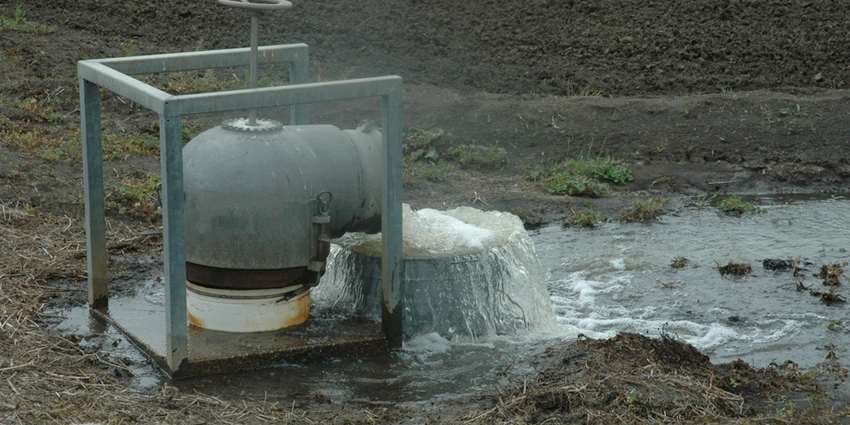
Environmental conditions significantly influence testing frequency:
Agricultural Areas: Wells in farming regions should be tested more frequently for nitrates, pesticides, and bacteria, particularly during growing seasons and after heavy rainfall events. [4] Clearly Filtered 2025 Top 10 Emerging Contaminants in 2025 10. Arsenic · 9. Manganese · 8. Microplastics · 7. Total Trihalomethanes (TTHMs) · 6. Haloacetic Acids (HAA5) · 5. Trichloroethylene (TCE) · 4. Chromium 6 · 3. blog [14] Reddit r/drinkingwater February 7, 2024 Free Resources for Private Well Owners [Water Quality Guides] Tap Score have standardized tests designed to make it easy to test your well water in a certified laboratory, often near you. social media forum
Industrial or Commercial Proximity: Wells near industrial facilities, gas stations, dry cleaners, or other businesses should be tested more frequently for relevant contaminants. [14] Reddit r/drinkingwater February 7, 2024 Free Resources for Private Well Owners [Water Quality Guides] Tap Score have standardized tests designed to make it easy to test your well water in a certified laboratory, often near you. social media forum [15] Reddit March 14, 2022 The Dangers of inaccurate At-Home water and soil Test-Kits Discussion about the reliability of home water and soil testing kits social media
Flood-Prone Areas: Wells in areas subject to flooding should be tested after any flood event. The CDC recommends testing "if there are problems near your well, such as flooding, land disturbances, or nearby waste disposal sites." [1] US Environmental Protection Agency (EPA) March 24, 2025 Private Drinking Water Wells Provides information on private drinking water wells, types of well, well construction. How to prevent health risks associated with private wells. government agency website
Seasonal Variations: The Connecticut Department of Public Health advises, "A good time of year to test is after a heavy period of rain, generally in the spring or fall." [35] Natural Resources Canada 2025-02-26 Geoscience: Groundwater and aquifers GIN connects a variety of groundwater information including water well databases, water monitoring data, aquifer and geology maps, and related publications. Government Research Website This timing helps identify potential contamination pathways that may only be active during wet periods.
Climate Change Impacts: Increasing extreme weather events may necessitate more frequent testing. As noted in a Nature study, "Climate change is expected to significantly impact drinking water quality. Wildfires, extended drought conditions, and rising temperatures can concentrate contaminants like arsenic in groundwater, increase water lead levels, and alter water chemistry in ways that potentially increase health risks." [8] Health Canada March 2025 Guidelines for Canadian Drinking Water Quality - Summary Tables The tables in this document summarize the values and key information from each of the guidelines. Health Canada updates the summary tables regularly. Government Health Resource
Presence of Known Contamination Sources
Proximity to potential contamination sources should trigger more frequent or targeted testing:
Septic Systems: Wells within 100 feet of septic systems should be tested more frequently for bacteria, nitrates, and emerging contaminants. A 2024 Science study found that "septic systems and proximity to PFAS source sites significantly increase contamination probability." [39] Reddit January 6, 2024 UPDATE: Water is Water... Right? A discussion about water quality, bottled water, and home water testing social media
Underground Storage Tanks: Wells near current or former gas stations or other facilities with underground tanks should be tested for petroleum compounds and related contaminants. [15] Reddit March 14, 2022 The Dangers of inaccurate At-Home water and soil Test-Kits Discussion about the reliability of home water and soil testing kits social media
Landfills or Waste Disposal Sites: Wells near these facilities should be tested for a broader range of potential contaminants, including volatile organic compounds and heavy metals. [14] Reddit r/drinkingwater February 7, 2024 Free Resources for Private Well Owners [Water Quality Guides] Tap Score have standardized tests designed to make it easy to test your well water in a certified laboratory, often near you. social media forum
Mining Operations: Wells in mining areas should be tested for specific metals and minerals associated with local mining activities. [15] Reddit March 14, 2022 The Dangers of inaccurate At-Home water and soil Test-Kits Discussion about the reliability of home water and soil testing kits social media
Road Salt Application: Wells near heavily salted roads should be tested for sodium and chloride, particularly after winter months. [14] Reddit r/drinkingwater February 7, 2024 Free Resources for Private Well Owners [Water Quality Guides] Tap Score have standardized tests designed to make it easy to test your well water in a certified laboratory, often near you. social media forum
As the EPA notes, "Private wells can be contaminated by both naturally occurring sources and by human activities. Microorganisms include bacteria, viruses, and parasites. They can be found all over the surface of our planet and are found in human sewage and animal waste." [14] Reddit r/drinkingwater February 7, 2024 Free Resources for Private Well Owners [Water Quality Guides] Tap Score have standardized tests designed to make it easy to test your well water in a certified laboratory, often near you. social media forum
Previous Testing Results
Past water quality results should inform future testing schedules:
Baseline Testing: Initial comprehensive testing establishes a baseline for comparison. The Virginia Department of Health notes, "Water quality in wells tends to be stable, and if change occurs, it typically happens slowly. For this reason, once baseline water quality is established, several years can pass before the need for retesting of wells that are properly constructed and safely located." [9] Springer January 31, 2025 Effects of Early-life PFAS Exposure on Child Neurodevelopment: A Review of the Evidence and Research gaps Findings primarily link early life PFAS exposure to reduced cognitive, motor, and language development in infancy and increased behavioral issues like hyperactivity in childhood scientific journal
"Keep a record of all your water test results with dates. A change in the concentration of a contaminant may indicate that a water quality problem is developing."
Detected Contaminants: If previous tests detected contaminants near or exceeding health guidelines, more frequent testing for those specific substances is warranted. [34] United States Geological Survey (USGS) February 2025 Water Quality Data Home The Water Quality Portal (WQP) is the premiere source of discrete water-quality data in the United States and beyond. government data portal
Trending Concentrations: If contaminant levels have been increasing over time, even if still below health guidelines, more frequent monitoring is recommended. The Connecticut Department of Public Health advises, "Keep a record of all your water test results with dates. A change in the concentration of a contaminant may indicate that a water quality problem is developing." [35] Natural Resources Canada 2025-02-26 Geoscience: Groundwater and aquifers GIN connects a variety of groundwater information including water well databases, water monitoring data, aquifer and geology maps, and related publications. Government Research Website
After Treatment Installation: If water treatment systems have been installed to address specific contaminants, regular testing is needed to verify their effectiveness. "If you have water treatment equipment in your home, you should monitor whether the treatment system is doing its job by testing for the specific contaminant(s) that the system is treating for." [35] Natural Resources Canada 2025-02-26 Geoscience: Groundwater and aquifers GIN connects a variety of groundwater information including water well databases, water monitoring data, aquifer and geology maps, and related publications. Government Research Website
Unexplained Changes: The CDC recommends testing "if you notice a change in your water's taste, color, or smell," as these can indicate new contamination issues. [1] US Environmental Protection Agency (EPA) March 24, 2025 Private Drinking Water Wells Provides information on private drinking water wells, types of well, well construction. How to prevent health risks associated with private wells. government agency website
Minimum Recommended Testing Schedule
Based on authoritative sources, the following minimum testing schedule is recommended for well owners:
Annual Testing (All Wells):
- Total coliform bacteria
- Nitrates
- Total dissolved solids
- pH
- Any contaminants previously detected at levels of concern [1] US Environmental Protection Agency (EPA) March 24, 2025 Private Drinking Water Wells Provides information on private drinking water wells, types of well, well construction. How to prevent health risks associated with private wells. government agency website
Every 3-5 Years (All Wells):
- Comprehensive analysis including metals, VOCs, and other regional contaminants of concern [34] United States Geological Survey (USGS) February 2025 Water Quality Data Home The Water Quality Portal (WQP) is the premiere source of discrete water-quality data in the United States and beyond. government data portal
Additional Testing Triggers:
- Changes in water taste, odor, or appearance
- Household plumbing changes or well system repairs
- Nearby land use changes or new potential contamination sources
- Pregnancy or new children in the household
- Recurring unexplained illnesses
- Flooding or other significant environmental events [1] US Environmental Protection Agency (EPA) March 24, 2025 Private Drinking Water Wells Provides information on private drinking water wells, types of well, well construction. How to prevent health risks associated with private wells. government agency website [2] The Conversation 2024 Millions of people across the US use well water, but very few test it often enough to make sure it's safe Although the Centers for Disease Control and Prevention recommends testing annually for nitrate, just 9% of these households had tested their water quality in the past year. Academic News and Analysis [35] Natural Resources Canada 2025-02-26 Geoscience: Groundwater and aquifers GIN connects a variety of groundwater information including water well databases, water monitoring data, aquifer and geology maps, and related publications. Government Research Website
As the CDC emphasizes, "As a water well owner, you are responsible for testing your well to make sure the water is safe to drink. The U.S. Environmental Protection Agency's (EPA) rules that protect public drinking water systems do not apply to privately owned wells." [1] US Environmental Protection Agency (EPA) March 24, 2025 Private Drinking Water Wells Provides information on private drinking water wells, types of well, well construction. How to prevent health risks associated with private wells. government agency website
Testing at Multiple Points in a Home's Water System
Water quality can vary significantly between the well source and household taps due to plumbing materials, treatment systems, and water storage. This section explains the importance of multi-point testing and how to interpret differences found throughout a home's water system.
Direct Well Source Testing vs. Post-Treatment Testing
Testing water at different points provides crucial information about overall water quality and system performance:
Well Source Testing: Collecting samples directly from the well before any treatment provides information about groundwater quality and potential contaminants entering the system. This establishes a baseline for understanding what's in your water source. [34] United States Geological Survey (USGS) February 2025 Water Quality Data Home The Water Quality Portal (WQP) is the premiere source of discrete water-quality data in the United States and beyond. government data portal
Post-Treatment Testing: Sampling after treatment systems (water softeners, filters, reverse osmosis systems, etc.) verifies their effectiveness. The Connecticut Department of Public Health advises, "If you have water treatment equipment in your home, you should monitor whether the treatment system is doing its job by testing for the specific contaminant(s) that the system is treating for." [35] Natural Resources Canada 2025-02-26 Geoscience: Groundwater and aquifers GIN connects a variety of groundwater information including water well databases, water monitoring data, aquifer and geology maps, and related publications. Government Research Website
Complementary Information: Both source and post-treatment testing are necessary for a complete picture. Source testing identifies what contaminants need to be addressed, while post-treatment testing confirms whether remediation efforts are working. [35] Natural Resources Canada 2025-02-26 Geoscience: Groundwater and aquifers GIN connects a variety of groundwater information including water well databases, water monitoring data, aquifer and geology maps, and related publications. Government Research Website
Treatment System Maintenance: Regular post-treatment testing helps determine when filter replacements or system maintenance is needed, potentially saving money on premature replacements or identifying when systems are no longer effective. [35] Natural Resources Canada 2025-02-26 Geoscience: Groundwater and aquifers GIN connects a variety of groundwater information including water well databases, water monitoring data, aquifer and geology maps, and related publications. Government Research Website
Variations in Water Quality Throughout Home Plumbing Systems
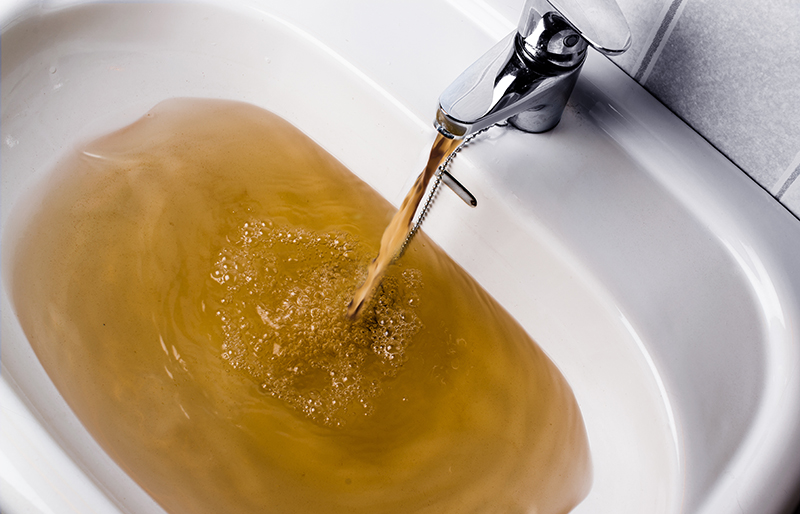
Water quality can change significantly as it travels through a home's plumbing:
Plumbing Material Contributions: Pipes, fixtures, and fittings can introduce contaminants. Lead, copper, and other metals can leach from plumbing materials, particularly in homes with older plumbing systems or corrosive water. [34] United States Geological Survey (USGS) February 2025 Water Quality Data Home The Water Quality Portal (WQP) is the premiere source of discrete water-quality data in the United States and beyond. government data portal
Biofilm Development: Bacteria can form biofilms inside pipes and fixtures, potentially contaminating otherwise clean water. These biofilms can harbor pathogens and are particularly common in rarely used fixtures. [14] Reddit r/drinkingwater February 7, 2024 Free Resources for Private Well Owners [Water Quality Guides] Tap Score have standardized tests designed to make it easy to test your well water in a certified laboratory, often near you. social media forum
Water Age: Water that sits in pipes for extended periods (such as during vacations or in rarely used fixtures) may have different quality than actively flowing water. Stagnant water can have higher levels of metals leached from pipes and may support bacterial growth. [1] US Environmental Protection Agency (EPA) March 24, 2025 Private Drinking Water Wells Provides information on private drinking water wells, types of well, well construction. How to prevent health risks associated with private wells. government agency website
Temperature Effects: Hot water systems can accelerate leaching of metals from plumbing and may harbor different microbial communities than cold water systems. [34] United States Geological Survey (USGS) February 2025 Water Quality Data Home The Water Quality Portal (WQP) is the premiere source of discrete water-quality data in the United States and beyond. government data portal
Cross-Connections: Improper plumbing connections can allow contaminants to enter the system at various points. [14] Reddit r/drinkingwater February 7, 2024 Free Resources for Private Well Owners [Water Quality Guides] Tap Score have standardized tests designed to make it easy to test your well water in a certified laboratory, often near you. social media forum
A Reddit user with well water shared their experience with a complex filtration system: "This is essentially filtering out everything and then has a re-mineralizing filter at the end so the slight acidity doesn't eat our copper pipes. The filters in the white metal holder are part of a Reverse Osmosis system, which cleans basically everything that the pre-filters don't catch."
How to Interpret Differences Between Testing Locations
Understanding variations between sampling points helps identify issues and solutions:
Contaminants Higher at Source, Lower at Tap: This pattern suggests treatment systems are working effectively. For example, if arsenic is detected in well water but not in post-treatment samples, the filtration system is likely functioning properly. [35] Natural Resources Canada 2025-02-26 Geoscience: Groundwater and aquifers GIN connects a variety of groundwater information including water well databases, water monitoring data, aquifer and geology maps, and related publications. Government Research Website
Contaminants Lower at Source, Higher at Tap: This indicates the plumbing system is contributing contaminants. For example, low lead levels in source water but elevated levels at taps suggest lead is leaching from pipes, fixtures, or solder. [34] United States Geological Survey (USGS) February 2025 Water Quality Data Home The Water Quality Portal (WQP) is the premiere source of discrete water-quality data in the United States and beyond. government data portal
Bacterial Contamination Patterns: If bacteria are absent in source water but present at taps, this may indicate biofilm issues in the plumbing system or cross-connection problems. [14] Reddit r/drinkingwater February 7, 2024 Free Resources for Private Well Owners [Water Quality Guides] Tap Score have standardized tests designed to make it easy to test your well water in a certified laboratory, often near you. social media forum
pH Changes: If pH decreases as water moves through the system, this could indicate corrosive conditions that may lead to metal leaching.
Mineral Content Variations: Changes in hardness or mineral content between source and tap can help evaluate water softener or remineralization system performance.
One Reddit user noted their well water testing revealed "0 calcium, 0 alkaline, low ph of 6, and hardness of 30 ppm," leading to recommendations to "increase ph and calcium" and warnings that "for the low pH, you're gonna want to get it treated for the whole house, not just individual faucets. If not, the acidic water is going to corrode fixtures and pipes all around the house."
Recommendations for Comprehensive Monitoring Strategies
A thorough approach to multi-point water testing includes:
Establish a Baseline: Conduct initial testing at multiple points (well source, after treatment, and at representative taps) to understand your system's baseline water quality profile. [34] United States Geological Survey (USGS) February 2025 Water Quality Data Home The Water Quality Portal (WQP) is the premiere source of discrete water-quality data in the United States and beyond. government data portal
"If you have water treatment equipment in your home, you should monitor whether the treatment system is doing its job by testing for the specific contaminant(s) that the system is treating for."
Prioritize Testing Points: Focus on:
- Well source (before any treatment)
- After major treatment components
- Kitchen tap (primary drinking water source)
- Bathroom taps (especially in children's bathrooms)
- Any fixtures showing staining or other quality issues [34] United States Geological Survey (USGS) February 2025 Water Quality Data Home The Water Quality Portal (WQP) is the premiere source of discrete water-quality data in the United States and beyond. government data portal [35] Natural Resources Canada 2025-02-26 Geoscience: Groundwater and aquifers GIN connects a variety of groundwater information including water well databases, water monitoring data, aquifer and geology maps, and related publications. Government Research Website
Develop a Rotation Schedule: Rather than testing all points simultaneously, establish a rotation that ensures comprehensive coverage over time while managing costs. [35] Natural Resources Canada 2025-02-26 Geoscience: Groundwater and aquifers GIN connects a variety of groundwater information including water well databases, water monitoring data, aquifer and geology maps, and related publications. Government Research Website
Document Results: Maintain detailed records of all test results, including sampling locations, dates, and any relevant conditions (e.g., after heavy rain, following plumbing work). [35] Natural Resources Canada 2025-02-26 Geoscience: Groundwater and aquifers GIN connects a variety of groundwater information including water well databases, water monitoring data, aquifer and geology maps, and related publications. Government Research Website
Investigate Discrepancies: When significant differences appear between sampling points, conduct follow-up testing to identify the source of the variation. [35] Natural Resources Canada 2025-02-26 Geoscience: Groundwater and aquifers GIN connects a variety of groundwater information including water well databases, water monitoring data, aquifer and geology maps, and related publications. Government Research Website
Consider Seasonal Variations: Test during different seasons to capture potential variations related to temperature, rainfall, and groundwater conditions. [24] Fondriest Environmental October 21, 2024 2025 Essential Water Monitoring Gear Overview of top water monitoring products and technologies for environmental data collection in 2025 environmental technology blog
Use Technology: Consider installing real-time monitoring systems at key points to provide continuous data between formal laboratory tests. [26] Taylor & Francis Online Smartphone solutions for water quality monitoring: a new frontier in ... This paper explores the potential of harnessing the power of smartphones to enhance water quality monitoring efforts. academic journal [27] IntechOpen 05 February 2025 Emerging Trends in Real-Time Water Quality Monitoring and Sanitation Systems A comprehensive review of water quality monitoring technologies, sensor innovations, and environmental sustainability strategies academic journal
As water quality technology advances, some homeowners are implementing sophisticated multi-point monitoring systems. One Reddit user described their comprehensive setup: "The filtration system was like $12k pre installation. Someone with more plumbing experience than me could figure out installation, but it has two separate pumps and that requires mechanical knowledge, too."
Latest Technological Advances in Water Testing
Water testing technology has evolved significantly in recent years, with innovations making monitoring more accessible, accurate, and comprehensive. This section explores cutting-edge developments in water quality testing available to well owners as of 2025.
Real-Time Monitoring Systems
Continuous water quality monitoring has become increasingly accessible to homeowners:
IoT-Enabled Sensors: As described in a February 2025 academic publication, "IoT devices outfitted with various sensors can continually monitor crucial water characteristics including pH, temperature, dissolved oxygen, turbidity and conductivity. These sensors send data to centralised systems, where it may be analysed to detect pollutants, forecast contamination occurrences and assure compliance with environmental regulations." [29] National Center for Biotechnology Information (NCBI) May 11, 2023 Prenatal Exposure to Legacy PFAS and Neurodevelopment in Preschool-Aged Canadian Children A study examining the relationship between prenatal PFAS exposure and neurodevelopmental outcomes in Canadian children scientific journal
Multi-Parameter Monitoring: Modern systems can simultaneously track multiple water quality parameters. For example, "the YSI ProDSS is a multi-parameter water quality meter that provides extreme flexibility for measuring water temperature, conductivity, salinity, dissolved oxygen, pH, ORP, turbidity, algae and depth." [26] Taylor & Francis Online Smartphone solutions for water quality monitoring: a new frontier in ... This paper explores the potential of harnessing the power of smartphones to enhance water quality monitoring efforts. academic journal
Well Level Monitoring: Systems like Aqvify provide "up-to-date data on water level and recovery of your well" and allow users to "set alarms to receive alerts at selected water levels, like a level monitor, and thus act quickly if something happens." [27] IntechOpen 05 February 2025 Emerging Trends in Real-Time Water Quality Monitoring and Sanitation Systems A comprehensive review of water quality monitoring technologies, sensor innovations, and environmental sustainability strategies academic journal This is particularly valuable as "Climate change is affecting groundwater levels at an accelerating pace." [27] IntechOpen 05 February 2025 Emerging Trends in Real-Time Water Quality Monitoring and Sanitation Systems A comprehensive review of water quality monitoring technologies, sensor innovations, and environmental sustainability strategies academic journal
Data Logging Capabilities: Modern monitoring equipment includes advanced data storage features. The "Solinst Levelogger 5 is a self-contained water level datalogger. The instrument is based on a precision pressure transducer and an accurate temperature sensor. It is housed in a polymer-coated stainless steel body with double o-ring seals." [26] Taylor & Francis Online Smartphone solutions for water quality monitoring: a new frontier in ... This paper explores the potential of harnessing the power of smartphones to enhance water quality monitoring efforts. academic journal
Early Warning Systems: Some advanced systems can detect subtle changes in water quality that might indicate emerging problems before they become serious health concerns. [29] National Center for Biotechnology Information (NCBI) May 11, 2023 Prenatal Exposure to Legacy PFAS and Neurodevelopment in Preschool-Aged Canadian Children A study examining the relationship between prenatal PFAS exposure and neurodevelopmental outcomes in Canadian children scientific journal
Mobile and Cloud-Connected Testing Solutions
Water testing has become more integrated with mobile technology and cloud computing:
Smartphone Integration: Many water monitoring systems now connect directly to smartphones, allowing real-time data viewing and alerts. Environmental data loggers now offer "4G LTE cellular, Iridium satellite, or dual telemetry options provide cloud connectivity. Data is stored and processed on the WQData LIVE datacenter, and users can access it with any computer browser or by using WQData LIVE Mobile." [26] Taylor & Francis Online Smartphone solutions for water quality monitoring: a new frontier in ... This paper explores the potential of harnessing the power of smartphones to enhance water quality monitoring efforts. academic journal
Cloud-Based Data Management: Water quality data can be automatically uploaded to secure cloud platforms for storage, analysis, and trend monitoring. This allows homeowners to access their water quality history from anywhere and share information with water treatment professionals when needed. [26] Taylor & Francis Online Smartphone solutions for water quality monitoring: a new frontier in ... This paper explores the potential of harnessing the power of smartphones to enhance water quality monitoring efforts. academic journal
Automated Alerts: Systems can be configured to send notifications when parameters exceed predefined thresholds, enabling rapid response to potential contamination events. [27] IntechOpen 05 February 2025 Emerging Trends in Real-Time Water Quality Monitoring and Sanitation Systems A comprehensive review of water quality monitoring technologies, sensor innovations, and environmental sustainability strategies academic journal
Remote Monitoring: Homeowners can now monitor their water quality while away from home, providing peace of mind during vacations or for seasonal properties. [27] IntechOpen 05 February 2025 Emerging Trends in Real-Time Water Quality Monitoring and Sanitation Systems A comprehensive review of water quality monitoring technologies, sensor innovations, and environmental sustainability strategies academic journal
Data Visualization Tools: Modern platforms offer intuitive dashboards and graphical representations of water quality data, making it easier for non-experts to understand trends and potential issues. [26] Taylor & Francis Online Smartphone solutions for water quality monitoring: a new frontier in ... This paper explores the potential of harnessing the power of smartphones to enhance water quality monitoring efforts. academic journal
Advanced Laboratory Testing Methods
Laboratory testing capabilities have also advanced significantly:
Lower Detection Limits: Modern analytical methods can detect contaminants at increasingly lower concentrations. For PFAS testing, some services now offer "detection limits at 1ng/l (parts per trillion)," allowing for extremely sensitive analysis of these concerning chemicals. [18] SimpleLab Tap Score May 2025 What's the Difference Between Lab Tests and Test Strips? Lab water testing kits are more expensive and require a several day wait for results. But those results are considerably more precise and have higher accuracy ... blog
Expanded Contaminant Panels: Testing services now offer more comprehensive screening options. As of 2025, "Modern well water testing kits can now detect emerging contaminants like PFAS, microplastics, and radioactive particles that were previously difficult to identify." [19] C and J Water December 16, 2022 Professional vs. At-Home Water Testing: Which Is Right for You? Comparing at-home and professional water testing methods for residential water quality assessment blog
Non-Targeted Analysis: Advanced techniques can screen for thousands of potential contaminants simultaneously, helping identify unexpected or emerging compounds that might be missed by traditional targeted testing. [20] Journal of Water and Health March 2025 Evaluation of drinking water quality test kits for home use in the United States Research study examining the performance and reliability of home water testing kits academic journal
Faster Turnaround Times: Improved laboratory processes have reduced the time needed for complex analyses, allowing homeowners to get results more quickly. [20] Journal of Water and Health March 2025 Evaluation of drinking water quality test kits for home use in the United States Research study examining the performance and reliability of home water testing kits academic journal
Enhanced Quality Control: Laboratories now employ more sophisticated quality assurance protocols, increasing the reliability of test results. [19] C and J Water December 16, 2022 Professional vs. At-Home Water Testing: Which Is Right for You? Comparing at-home and professional water testing methods for residential water quality assessment blog
TapScore, a leading water testing service as of 2025, "takes a dramatically different approach. Every sample you send is processed in highly controlled, regulated laboratories accredited by major governing bodies including the Environmental Protection Agency, Department of Defense, Department of Energy, and Department of Health." [19] C and J Water December 16, 2022 Professional vs. At-Home Water Testing: Which Is Right for You? Comparing at-home and professional water testing methods for residential water quality assessment blog
Emerging Sensor Technologies
Innovative sensor technologies are transforming water quality monitoring:
Nanomaterial-Based Sensors: According to a February 2025 academic publication, "Nanomaterial-based sensors are emerging as sophisticated tools for detecting various water contaminants, including heavy metals, pesticides, and bacteria." [29] National Center for Biotechnology Information (NCBI) May 11, 2023 Prenatal Exposure to Legacy PFAS and Neurodevelopment in Preschool-Aged Canadian Children A study examining the relationship between prenatal PFAS exposure and neurodevelopmental outcomes in Canadian children scientific journal
"IoT devices outfitted with various sensors can continually monitor crucial water characteristics including pH, temperature, dissolved oxygen, turbidity and conductivity."
Biosensors: These devices use biological components to detect specific contaminants. "Biosensors, particularly electrochemical types, offer high sensitivity and selectivity in detecting water pollutants with minimal complex signaling components." [29] National Center for Biotechnology Information (NCBI) May 11, 2023 Prenatal Exposure to Legacy PFAS and Neurodevelopment in Preschool-Aged Canadian Children A study examining the relationship between prenatal PFAS exposure and neurodevelopmental outcomes in Canadian children scientific journal
Spectroscopic Techniques: Advanced spectroscopic methods can identify contaminants based on their unique light absorption or emission patterns. "Remote sensing techniques can detect water quality changes through spectral analysis, thermal imaging, and monitoring of suspended solids and chlorophyll content." [29] National Center for Biotechnology Information (NCBI) May 11, 2023 Prenatal Exposure to Legacy PFAS and Neurodevelopment in Preschool-Aged Canadian Children A study examining the relationship between prenatal PFAS exposure and neurodevelopmental outcomes in Canadian children scientific journal
Microfluidic Devices: These miniaturized systems can perform complex water analyses with minimal sample volumes, potentially enabling more affordable and accessible testing. [29] National Center for Biotechnology Information (NCBI) May 11, 2023 Prenatal Exposure to Legacy PFAS and Neurodevelopment in Preschool-Aged Canadian Children A study examining the relationship between prenatal PFAS exposure and neurodevelopmental outcomes in Canadian children scientific journal
Artificial Intelligence Integration: AI algorithms are being incorporated into water monitoring systems to improve contaminant identification, predict water quality trends, and optimize treatment approaches. [29] National Center for Biotechnology Information (NCBI) May 11, 2023 Prenatal Exposure to Legacy PFAS and Neurodevelopment in Preschool-Aged Canadian Children A study examining the relationship between prenatal PFAS exposure and neurodevelopmental outcomes in Canadian children scientific journal
DIY Testing Improvements
While professional laboratory testing remains the gold standard for accuracy, DIY testing options have improved:
Enhanced Test Kits: Modern home testing kits have become more user-friendly and reliable for basic parameters. "DIY testing kits are becoming more user-friendly, with color-coded strips and clear instructions that make complex water quality testing accessible to non-experts." [19] C and J Water December 16, 2022 Professional vs. At-Home Water Testing: Which Is Right for You? Comparing at-home and professional water testing methods for residential water quality assessment blog
Digital Readers: Some test kits now include digital readers that provide more objective results than visual color matching, reducing user interpretation errors. [19] C and J Water December 16, 2022 Professional vs. At-Home Water Testing: Which Is Right for You? Comparing at-home and professional water testing methods for residential water quality assessment blog
Mail-In Laboratory Services: Hybrid approaches combining home sample collection with professional laboratory analysis have become more streamlined and affordable. "TapScore offers three testing levels (Essential, Advanced, Comprehensive) allowing homeowners to customize their water quality analysis based on specific needs." [19] C and J Water December 16, 2022 Professional vs. At-Home Water Testing: Which Is Right for You? Comparing at-home and professional water testing methods for residential water quality assessment blog
Educational Resources: Testing services now provide more comprehensive educational materials to help homeowners understand their results and take appropriate actions. [19] C and J Water December 16, 2022 Professional vs. At-Home Water Testing: Which Is Right for You? Comparing at-home and professional water testing methods for residential water quality assessment blog
Regional Customization: Some testing services now offer regionally tailored packages that focus on contaminants most likely to be present in specific geographic areas. [19] C and J Water December 16, 2022 Professional vs. At-Home Water Testing: Which Is Right for You? Comparing at-home and professional water testing methods for residential water quality assessment blog
However, it's important to note that DIY testing still has significant limitations. A March 2025 study published in the Journal of Water and Health found that "Home water testing kits are currently unregulated and lack comprehensive performance data" and their performance "varies significantly depending on water matrix, contaminant, and testing conditions." [22] Olympian Water Testing January 12, 2025 Effective Techniques for Drinking Water Sampling Sample Preservation and Transportation. Samples require proper preservation to maintain stability. Preservatives may be added to inhibit ... blog
Actionable Recommendations for Homeowners
Establishing an effective water quality monitoring program requires a systematic approach. This final section provides practical, actionable guidance for well owners to implement comprehensive water testing and ensure their drinking water remains safe.
Establish a Baseline Assessment
Begin with a comprehensive evaluation of your well water:
Initial Comprehensive Testing: Conduct a thorough baseline test that includes:
- Basic parameters (bacteria, nitrates, pH, TDS)
- Metals (arsenic, lead, iron, manganese, etc.)
- Volatile organic compounds
- Regional contaminants of concern
- Any contaminants related to nearby activities [1] US Environmental Protection Agency (EPA) March 24, 2025 Private Drinking Water Wells Provides information on private drinking water wells, types of well, well construction. How to prevent health risks associated with private wells. government agency website [34] United States Geological Survey (USGS) February 2025 Water Quality Data Home The Water Quality Portal (WQP) is the premiere source of discrete water-quality data in the United States and beyond. government data portal
Multiple Sampling Points: Test both at the well source and at representative taps throughout your home to identify any plumbing-related issues. [35] Natural Resources Canada 2025-02-26 Geoscience: Groundwater and aquifers GIN connects a variety of groundwater information including water well databases, water monitoring data, aquifer and geology maps, and related publications. Government Research Website
Professional Laboratory Analysis: For this baseline assessment, use a certified laboratory rather than DIY test kits to ensure accuracy. As SimpleLab Tap Score advises, "Mail-to-lab water testing is the best home water analysis kit available. Reports produced by laboratory testing are highly accurate, precise and comprehensive." [20] Journal of Water and Health March 2025 Evaluation of drinking water quality test kits for home use in the United States Research study examining the performance and reliability of home water testing kits academic journal
Document Results Thoroughly: Create a detailed record of all test results, including dates, sampling locations, and laboratory information. The Connecticut Department of Public Health recommends, "Keep a record of all your water test results with dates. A change in the concentration of a contaminant may indicate that a water quality problem is developing." [35] Natural Resources Canada 2025-02-26 Geoscience: Groundwater and aquifers GIN connects a variety of groundwater information including water well databases, water monitoring data, aquifer and geology maps, and related publications. Government Research Website
Well System Inspection: Complement water testing with a professional inspection of your well system, especially for wells over 15 years old. The California State Water Resources Control Board advises, "If your well is 20 years old or more, have a licensed or certified water well driller and pump installer check the well." [25] Aqvify 2025 Aqvify: Smart Level Monitoring for Wells & Tanks – via App Aqvify lets you monitor your well or water tank online via a smart app. Get real-time levels, usage history, and alerts – anytime, anywhere. technology product website
Develop a Customized Testing Schedule
Create a testing plan tailored to your specific situation:
Annual Core Testing: At minimum, test annually for:
- Total coliform bacteria
- Nitrates
- pH
- Total dissolved solids [1] US Environmental Protection Agency (EPA) March 24, 2025 Private Drinking Water Wells Provides information on private drinking water wells, types of well, well construction. How to prevent health risks associated with private wells. government agency website
Periodic Comprehensive Testing: Every 3-5 years, conduct more extensive testing that includes metals, VOCs, and other potential contaminants. [34] United States Geological Survey (USGS) February 2025 Water Quality Data Home The Water Quality Portal (WQP) is the premiere source of discrete water-quality data in the United States and beyond. government data portal
Targeted Monitoring: If specific contaminants were detected in your baseline assessment, establish appropriate monitoring frequencies for those substances. [34] United States Geological Survey (USGS) February 2025 Water Quality Data Home The Water Quality Portal (WQP) is the premiere source of discrete water-quality data in the United States and beyond. government data portal
Seasonal Considerations: Schedule testing during different seasons, particularly after spring thaws or heavy rainfall periods. The Connecticut Department of Public Health suggests, "A good time of year to test is after a heavy period of rain, generally in the spring or fall." [35] Natural Resources Canada 2025-02-26 Geoscience: Groundwater and aquifers GIN connects a variety of groundwater information including water well databases, water monitoring data, aquifer and geology maps, and related publications. Government Research Website
Life Changes: As the CDC recommends, additional testing should be conducted when "you or someone you live with becomes pregnant, a child starts living with you" due to increased vulnerability of these populations. [1] US Environmental Protection Agency (EPA) March 24, 2025 Private Drinking Water Wells Provides information on private drinking water wells, types of well, well construction. How to prevent health risks associated with private wells. government agency website
Environmental Triggers: Plan for additional testing following events like:
- Flooding or heavy rainfall
- Nearby construction or land use changes
- Well system repairs or modifications
- Changes in water taste, odor, or appearance [1] US Environmental Protection Agency (EPA) March 24, 2025 Private Drinking Water Wells Provides information on private drinking water wells, types of well, well construction. How to prevent health risks associated with private wells. government agency website
Select Appropriate Testing Methods
Choose testing approaches based on your specific needs:
Professional Laboratory Testing: For comprehensive assessments and any health-related concerns, use certified laboratories. As the Journal of Water and Health study found, home test kits have "variable performance in the test kits' ability to detect potential contaminants in the water." [22] Olympian Water Testing January 12, 2025 Effective Techniques for Drinking Water Sampling Sample Preservation and Transportation. Samples require proper preservation to maintain stability. Preservatives may be added to inhibit ... blog
"As a water well owner, you are responsible for testing your well to make sure the water is safe to drink."
Avoid Sales-Driven Testing: Be cautious of "free" water tests offered by treatment system companies. As advised on Reddit, "In general, we do not recommend 'free' tests conducted by filtration companies. These tend to be designed to sell you water filtration, especially water softeners. The tests are typically legit, but the conclusions tend to lean towards making you a sales pitch." [16] Reddit August 22, 2024 Household PFAS water testing kits Discussion about the reliability of at-home PFAS water testing methods social media
Consider Real-Time Monitoring: For ongoing awareness, consider installing continuous monitoring systems for critical parameters. Modern systems can "continually monitor crucial water characteristics including pH, temperature, dissolved oxygen, turbidity and conductivity." [29] National Center for Biotechnology Information (NCBI) May 11, 2023 Prenatal Exposure to Legacy PFAS and Neurodevelopment in Preschool-Aged Canadian Children A study examining the relationship between prenatal PFAS exposure and neurodevelopmental outcomes in Canadian children scientific journal
DIY Testing for Screening: Use home test kits only for preliminary screening or between professional tests. Remember that "While at-home water testing strips and color disk kits are easy to use and affordable, they're really only useful when it comes to simple checks: like pH, chlorine, or TDS levels." [20] Journal of Water and Health March 2025 Evaluation of drinking water quality test kits for home use in the United States Research study examining the performance and reliability of home water testing kits academic journal
Specialized Testing for Specific Concerns: For contaminants like PFAS that require extremely sensitive detection methods, use laboratories with appropriate capabilities. PFAS testing "is generally measured in parts per trillion in water, so it is incredibly small amounts." [18] SimpleLab Tap Score May 2025 What's the Difference Between Lab Tests and Test Strips? Lab water testing kits are more expensive and require a several day wait for results. But those results are considerably more precise and have higher accuracy ... blog
Implement Proper Sampling Techniques
Follow best practices when collecting water samples:
Use Proper Containers: Ensure you're using the correct sample containers for each test type. "The methods that will be flowed will determine the type of bottles used. For example, samples for metals' analyses are usually collected in plastic bottles, while analyses for volatile organics and pesticides are collected in glass containers." [23] California State Water Resources Control Board September 15, 2023 GAMA - Domestic Well Testing Comprehensive guide for domestic well water quality testing and maintenance Government Resource
Follow Sampling Protocols: Run water for several minutes before collection to ensure a representative sample. "When collecting samples, you will need a representative sample and, while sampling well water, you should run the water for several minutes so that you are getting water directly from the well and not from a source that has been sitting in a storage tank or pipes." [23] California State Water Resources Control Board September 15, 2023 GAMA - Domestic Well Testing Comprehensive guide for domestic well water quality testing and maintenance Government Resource
Maintain Sample Integrity: Properly preserve samples according to laboratory instructions. "The most common type of preservation is temperature; most analysis requires samples to be kept cool, arriving at the lab between four and six degrees Celsius." [23] California State Water Resources Control Board September 15, 2023 GAMA - Domestic Well Testing Comprehensive guide for domestic well water quality testing and maintenance Government Resource
Document Collection Details: Record the date, time, location, and any unusual conditions when collecting samples. [23] California State Water Resources Control Board September 15, 2023 GAMA - Domestic Well Testing Comprehensive guide for domestic well water quality testing and maintenance Government Resource
Respect Holding Times: Deliver samples to the laboratory within recommended timeframes for each parameter being tested. [23] California State Water Resources Control Board September 15, 2023 GAMA - Domestic Well Testing Comprehensive guide for domestic well water quality testing and maintenance Government Resource
Interpret and Act on Results
Develop a systematic approach to understanding and responding to test results:
Compare to Standards: Evaluate results against appropriate health-based standards from the EPA, Health Canada, or state/provincial guidelines. [25] Aqvify 2025 Aqvify: Smart Level Monitoring for Wells & Tanks – via App Aqvify lets you monitor your well or water tank online via a smart app. Get real-time levels, usage history, and alerts – anytime, anywhere. technology product website
Track Trends Over Time: Look for changes in contaminant levels, even if they remain below health guidelines. Increasing trends may indicate developing problems. [35] Natural Resources Canada 2025-02-26 Geoscience: Groundwater and aquifers GIN connects a variety of groundwater information including water well databases, water monitoring data, aquifer and geology maps, and related publications. Government Research Website
Address Any Exceedances: If contaminants exceed health guidelines:
- Confirm results with follow-up testing if appropriate
- Consult with water quality professionals about treatment options
- Consider alternative water sources for drinking and cooking until the issue is resolved [34] United States Geological Survey (USGS) February 2025 Water Quality Data Home The Water Quality Portal (WQP) is the premiere source of discrete water-quality data in the United States and beyond. government data portal
Implement Appropriate Treatment: If treatment is needed, select systems specifically designed for your contaminants of concern. As one well owner with a complex filtration system noted, "This is essentially filtering out everything and then has a re-mineralizing filter at the end so the slight acidity doesn't eat our copper pipes."
Verify Treatment Effectiveness: After installing treatment systems, test again to confirm they're working properly. The Connecticut Department of Public Health advises, "If you have water treatment equipment in your home, you should monitor whether the treatment system is doing its job by testing for the specific contaminant(s) that the system is treating for." [35] Natural Resources Canada 2025-02-26 Geoscience: Groundwater and aquifers GIN connects a variety of groundwater information including water well databases, water monitoring data, aquifer and geology maps, and related publications. Government Research Website
Protect Your Well System
Complement testing with preventive measures to maintain water quality:
Maintain Proper Well Construction: Ensure your well has appropriate casing, sealing, and cap to prevent surface contamination. [25] Aqvify 2025 Aqvify: Smart Level Monitoring for Wells & Tanks – via App Aqvify lets you monitor your well or water tank online via a smart app. Get real-time levels, usage history, and alerts – anytime, anywhere. technology product website
Create a Buffer Zone: Keep potential contamination sources (septic systems, livestock areas, chemical storage, etc.) away from your well. [9] Springer January 31, 2025 Effects of Early-life PFAS Exposure on Child Neurodevelopment: A Review of the Evidence and Research gaps Findings primarily link early life PFAS exposure to reduced cognitive, motor, and language development in infancy and increased behavioral issues like hyperactivity in childhood scientific journal
Regular Maintenance: The California State Water Resources Control Board recommends, "Check annually for mechanical problems, cleanliness, and water quality." [25] Aqvify 2025 Aqvify: Smart Level Monitoring for Wells & Tanks – via App Aqvify lets you monitor your well or water tank online via a smart app. Get real-time levels, usage history, and alerts – anytime, anywhere. technology product website
Proper Waste Disposal: Avoid using your septic system for disposal of chemicals, pharmaceuticals, or other potentially harmful substances. [14] Reddit r/drinkingwater February 7, 2024 Free Resources for Private Well Owners [Water Quality Guides] Tap Score have standardized tests designed to make it easy to test your well water in a certified laboratory, often near you. social media forum
Be Aware of Nearby Activities: Stay informed about land use changes, construction, or industrial activities in your area that might affect groundwater quality. [14] Reddit r/drinkingwater February 7, 2024 Free Resources for Private Well Owners [Water Quality Guides] Tap Score have standardized tests designed to make it easy to test your well water in a certified laboratory, often near you. social media forum
Stay Informed and Connected
Keep up with evolving information and resources:
Connect with Local Health Departments: Many offer free or low-cost testing programs and can provide region-specific guidance. [4] Clearly Filtered 2025 Top 10 Emerging Contaminants in 2025 10. Arsenic · 9. Manganese · 8. Microplastics · 7. Total Trihalomethanes (TTHMs) · 6. Haloacetic Acids (HAA5) · 5. Trichloroethylene (TCE) · 4. Chromium 6 · 3. blog
Join Well Owner Networks: Community groups and online forums can provide valuable peer support and information sharing. [16] Reddit August 22, 2024 Household PFAS water testing kits Discussion about the reliability of at-home PFAS water testing methods social media
Monitor Regulatory Updates: Stay aware of changing guidelines and emerging contaminants of concern. [10] National Institute of Environmental Health Sciences March 28, 2025 Safe Water and Your Health NIEHS research examines potential health effects of contaminants in water and explores ways to protect the public from contact with unsafe water Government Research Organization
Utilize Educational Resources: Take advantage of free resources from organizations like the EPA, CDC, and state/provincial agencies. [16] Reddit August 22, 2024 Household PFAS water testing kits Discussion about the reliability of at-home PFAS water testing methods social media
Consider Citizen Science Initiatives: Some regions have collaborative monitoring programs that allow well owners to contribute to broader water quality understanding while gaining insights about their own water. [36] Environmental Working Group March 24, 2025 Interactive Map: PFAS Contamination Crisis Mapping the PFAS contamination crisis: New data show 8,865 sites with PFAS in 50 states, the District of Columbia and four territories Environmental Advocacy Organization
By implementing these recommendations, well owners can establish a robust water quality monitoring program that protects their health and provides peace of mind. As the CDC emphasizes, "As a water well owner, you are responsible for testing your well to make sure the water is safe to drink." [1] US Environmental Protection Agency (EPA) March 24, 2025 Private Drinking Water Wells Provides information on private drinking water wells, types of well, well construction. How to prevent health risks associated with private wells. government agency website With the right approach to testing and monitoring, well owners can fulfill this responsibility effectively.